
.avif)
.avif)
Businesses work hard to deliver an excellent product and customer experience. Yet your growth still depends heavily on expensive advertising channels. This constant spending drains your marketing budget over time.
Strategic referral programs directly address this challenge in customer acquisition. They systematically use your happiest customers for new qualified leads. In fact, 71% of consumers said that social media referrals easily influence them. These programs build sustainable organic growth through trusted personal recommendations.
This guide will showcase powerful referral examples from top brands. You will learn the exact strategies that make these programs so successful. We will also show you how to implement these tactics effectively.
At A Glance:
- 71% of consumers say referrals influence their purchase decisions, making referral programs one of the most trusted growth channels for e-commerce brands.
- Customers acquired through referrals typically convert faster and stay loyal longer than those acquired through paid ads.
- Product-linked rewards such as store credits or free items outperform cash incentives because they encourage repeat purchases and ongoing engagement.
- Referral programs see higher participation when sharing is simple, quick, and requires minimal effort from customers.
- Automated referral systems help brands scale sustainably by reducing manual effort while maintaining accurate tracking and rewards.
Why Referral Programs Are Essential for E-Commerce Brands?
Acquiring new customers is expensive, especially in competitive sectors like beauty, fashion, wellness, and home decor. Paid advertising alone eats into your marketing budget without guaranteeing loyalty. Referral programs solve this problem by turning your happiest customers into active brand advocates.
Consider Glossier, which uses its referral program to encourage loyal customers to share products with friends. Both the referrer and the friend receive rewards, creating a win-win that naturally drives new sign-ups and purchases.
Similarly, Braxley Bands offers a 20% discount plus a chance to win a $100 gift card, giving advocates tangible reasons to refer multiple friends.
Referral programs do more than attract new customers; they increase engagement, retention, and revenue. Customers acquired through referrals tend to convert faster, spend more, and remain loyal longer than those acquired through ads alone.
Also read: What to Look for in a Customer Engagement Solution (2025)
Now that you’ve seen why referrals remain one of the most trusted growth channels, let’s look at why they matter so much for e-commerce brands specifically.
How Referral Programs Work in Practice?
Even your most enthusiastic customers may not refer friends without motivation. Referral programs simplify this process and attach meaningful rewards to sharing.
For example:
- Allbirds, a sustainable fashion brand, rewards customers with store credit for referring friends. Because the incentive applies directly to future footwear purchases, referrals are a natural extension of the shopping experience rather than a separate marketing action.
- Thrive Market, an online wellness and grocery platform, offers account credits to both the referrer and the new customer. This shared reward lowers the barrier for first-time purchases while encouraging existing members to continue engaging with the platform.
- Ruggable, a home decor brand, offers referral discounts that apply to its washable rug collections. Since rugs are considered purchases, personal recommendations help reduce hesitation to buy, while referral rewards encourage larger cart sizes and repeat orders.
These programs are automated through a referral software, which tracks referrals via codes, links, or accounts, and delivers rewards instantly. Automation ensures accuracy, reduces manual work, and provides analytics to optimize program performance over time.
With these examples in mind, the next step is building a referral program that’s structured, effective, and easy for customers to participate in.
6 Steps to Build a High-Impact Referral Program
Referral programs turn your happiest customers into brand advocates, driving new leads without heavy ad spend. Leading e-commerce brands in beauty, wellness, fashion, and home goods have shown that well-designed programs improve acquisition, retention, and loyalty.
To get results, you need a clear strategy: target the right customers, offer meaningful rewards, and make sharing effortless. The following steps show how to build a high-impact referral marketing program that delivers measurable growth.
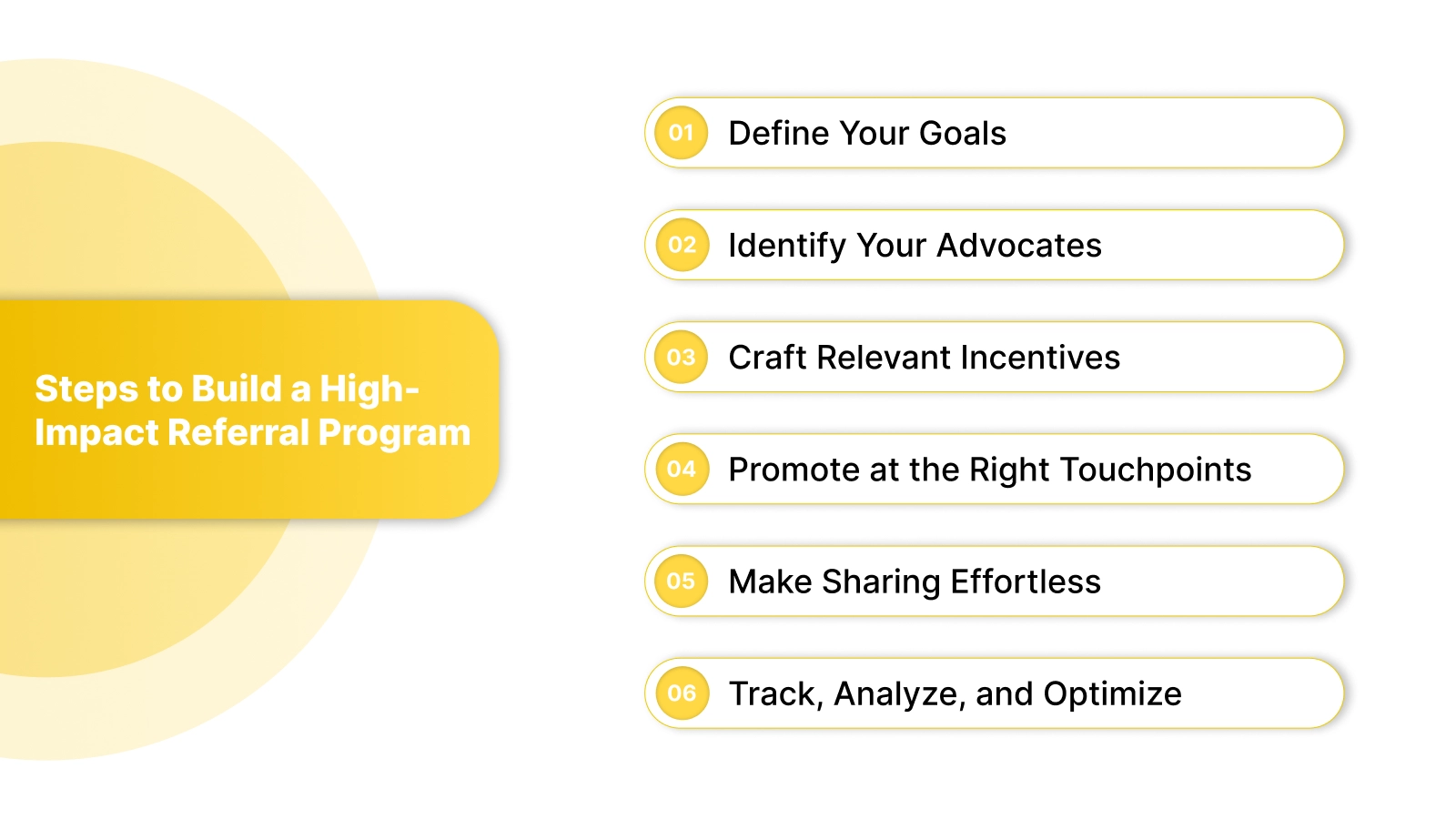
1. Define Your Goals
Referral campaigns should align with your goals. For growing your customer base, dual-sided rewards work best. Away, the luggage and travel accessories brand, offers travel credit to both the referrer and the friend, creating a clear incentive for new sign-ups.
If your goal is to increase average order value, consider tiered rewards like Stitch Fix, which provides escalating benefits as customers refer more friends, encouraging ongoing engagement.
2. Identify Your Advocates
Start by targeting your most loyal and satisfied customers. Boll & Branch, a premium bedding brand, focuses on repeat buyers who are already enthusiastic about their products.
These advocates are more likely to make authentic referrals, sharing their experiences with friends and family who trust their recommendations. Identifying and engaging this group ensures that your referral program gains genuine traction.
3. Craft Relevant Incentives
Incentives should feel natural and valuable. Non-cash rewards often outperform cash rewards. Glossier gives free makeup products that users genuinely want, making referrals feel authentic.
4. Promote at the Right Touchpoints
Referral prompts work best at moments of high satisfaction. Post-purchase emails, thank-you pages, and loyalty dashboards are ideal.
Sephora, for example, integrates referral opportunities within its Beauty Insider program, rewarding points when customers refer friends, combining loyalty and referral seamlessly.
5. Make Sharing Effortless
Make sharing effortless by providing pre-written messages, one-click referral links, or social media buttons. Hims & Hers, a wellness and personal care brand, enables customers to share products with friends via email or social apps instantly.
This streamlined process reduces friction, encouraging more referrals and turning satisfied customers into active advocates.
6. Track, Analyze, and Optimize
Platforms like Nector provide automated referral tracking that shows which referral sources drive the most high-value customers. Brands can refine incentives, messaging, and program placement based on this data to continuously improve performance.
These foundational principles come to life in these ten powerful referral examples from leading brands.
Also read: How to Get More Referrals: Simple Strategies.
These steps become even clearer when you see how leading brands put them into action. Let’s explore real referral examples that deliver consistent results.
10 E-Commerce Referral Program Examples That Deliver Real Results
The most successful programs combine clear incentives, effortless sharing, and meaningful engagement to create measurable growth. By examining leading e-commerce brands across beauty, fashion, wellness, home decor, and specialty goods, we can see what works and why.
The table below highlights how leading e-commerce brands structure their referral programs and the results they deliver.
Below are ten standout referral programs, each offering unique insights into design, execution, and impact explained in detail.
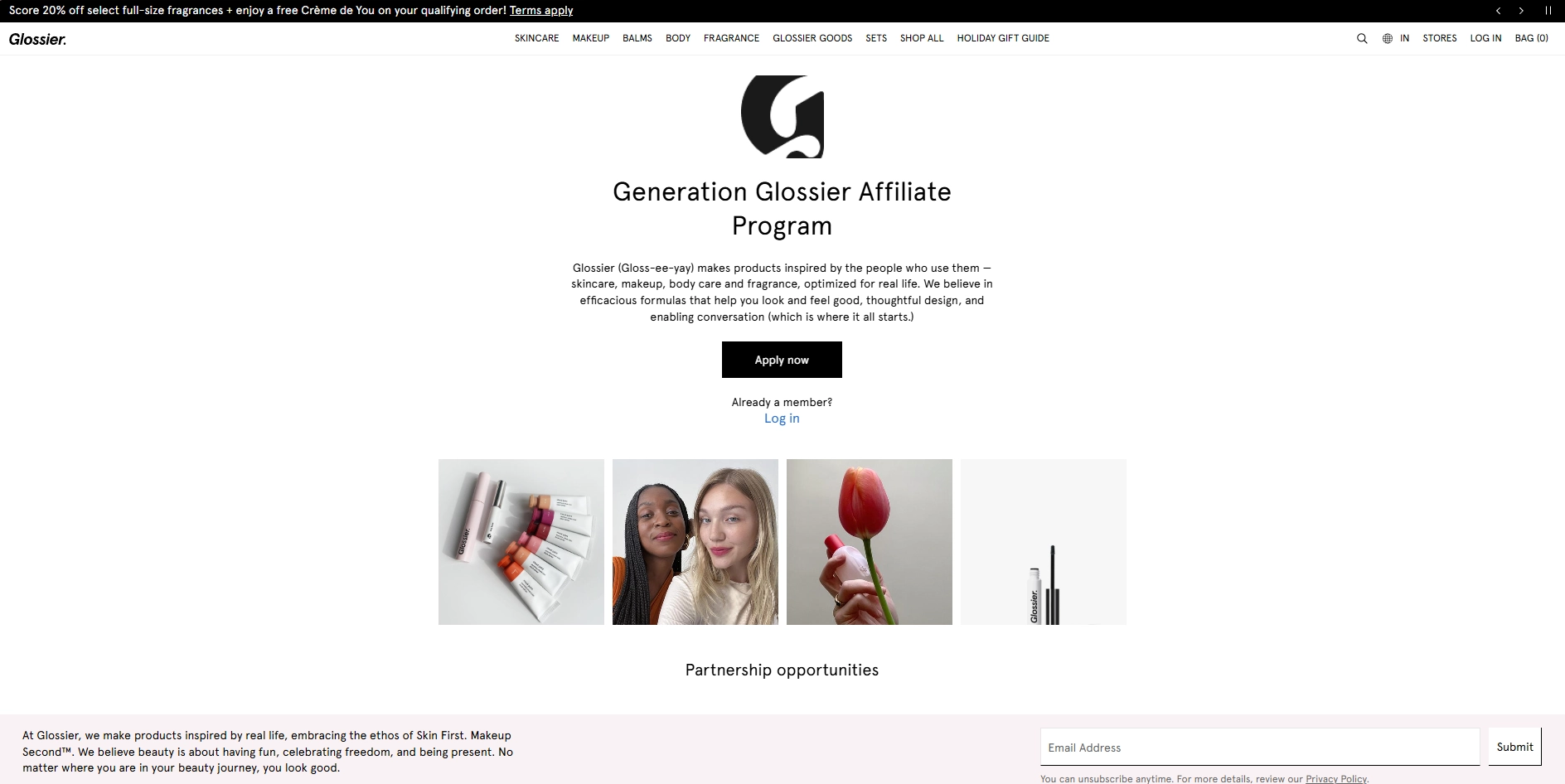
1. Glossier
- Industry: Beauty and Personal Care
- Rewarding System: Store credit for both referrer and referee
- Type of Referral: Customer-to-customer via social sharing
- Status: Active
Glossier uses social influence by making referrals easy to share on Instagram and TikTok. By aligning rewards with customers' desire for products they already love, the program drives authentic advocacy.
Referral-driven orders often come from highly engaged users, creating a ripple effect where new customers are more likely to engage on social media and post about their purchase, reinforcing community growth.
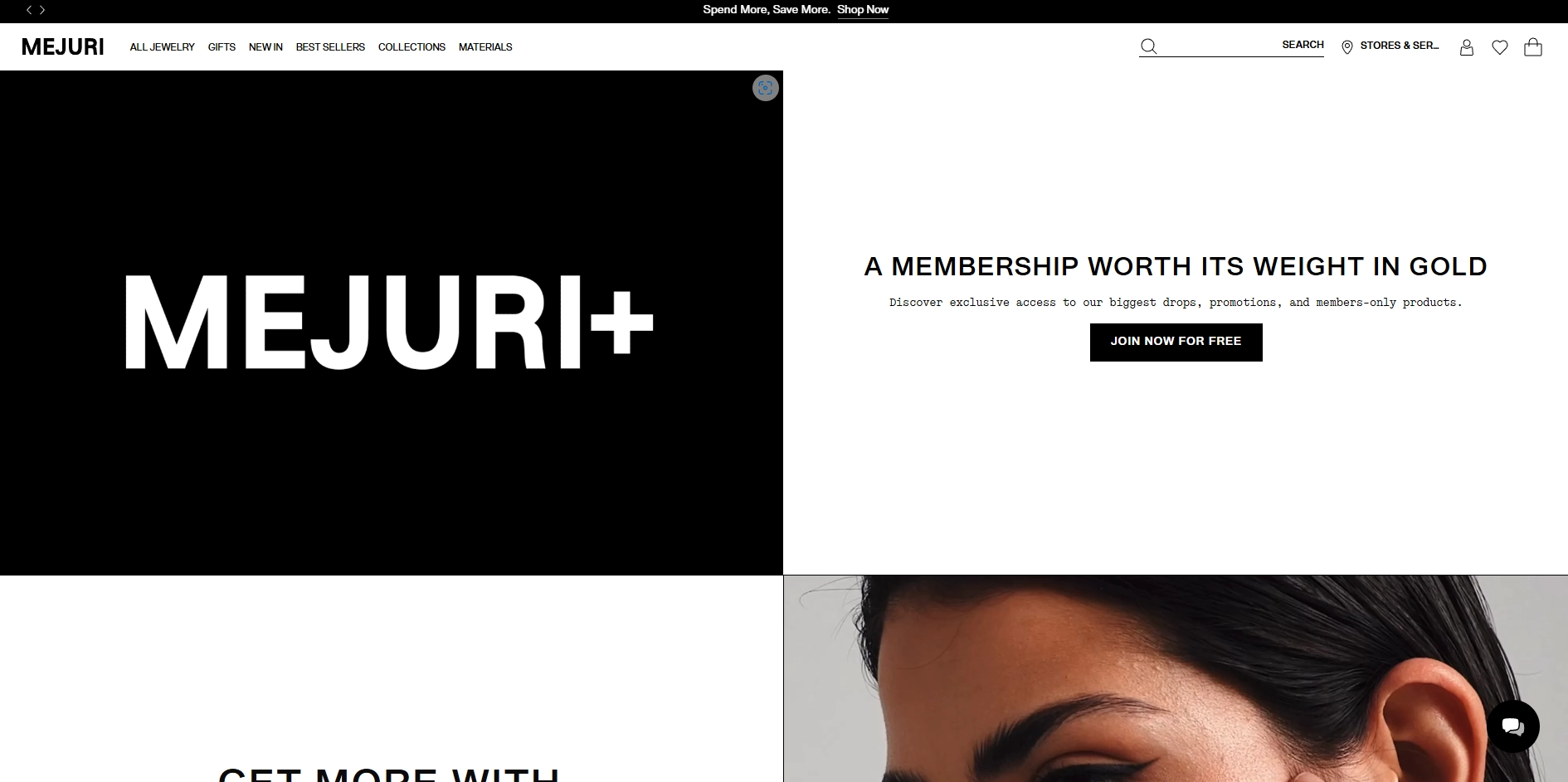
2. Mejuri
- Industry: Fashion and Jewelry
- Rewarding System: Priority Sale Access
- Type of Referral: Peer-to-peer customer referrals
- Status: Active
Mejuri offers the M+Membership, which taps into aspirational behavior. Customers referring friends feel a sense of credibility and influence while earning discounts they genuinely want.
This program doesn’t just bring new customers, it creates an ongoing loop of repeat buyers who share products during gift-giving seasons, enhancing both acquisition and retention.
3. Sephora

- Industry: Beauty and Personal Care
- Rewarding System: Loyalty points integrated with referrals
- Type of Referral: Customer-to-customer within loyalty program
- Status: Active
By embedding referral prompts in moments of satisfaction, like post-purchase emails or loyalty dashboards, Sephora turns routine transactions into advocacy opportunities.
Advocates contribute significantly higher basket sizes, and the program deepens engagement with the Beauty Insider ecosystem. Strategic timing ensures referrals feel organic rather than transactional.
Also read: Maximize Customer Retention with Advanced Technologies
4. Brooklinen
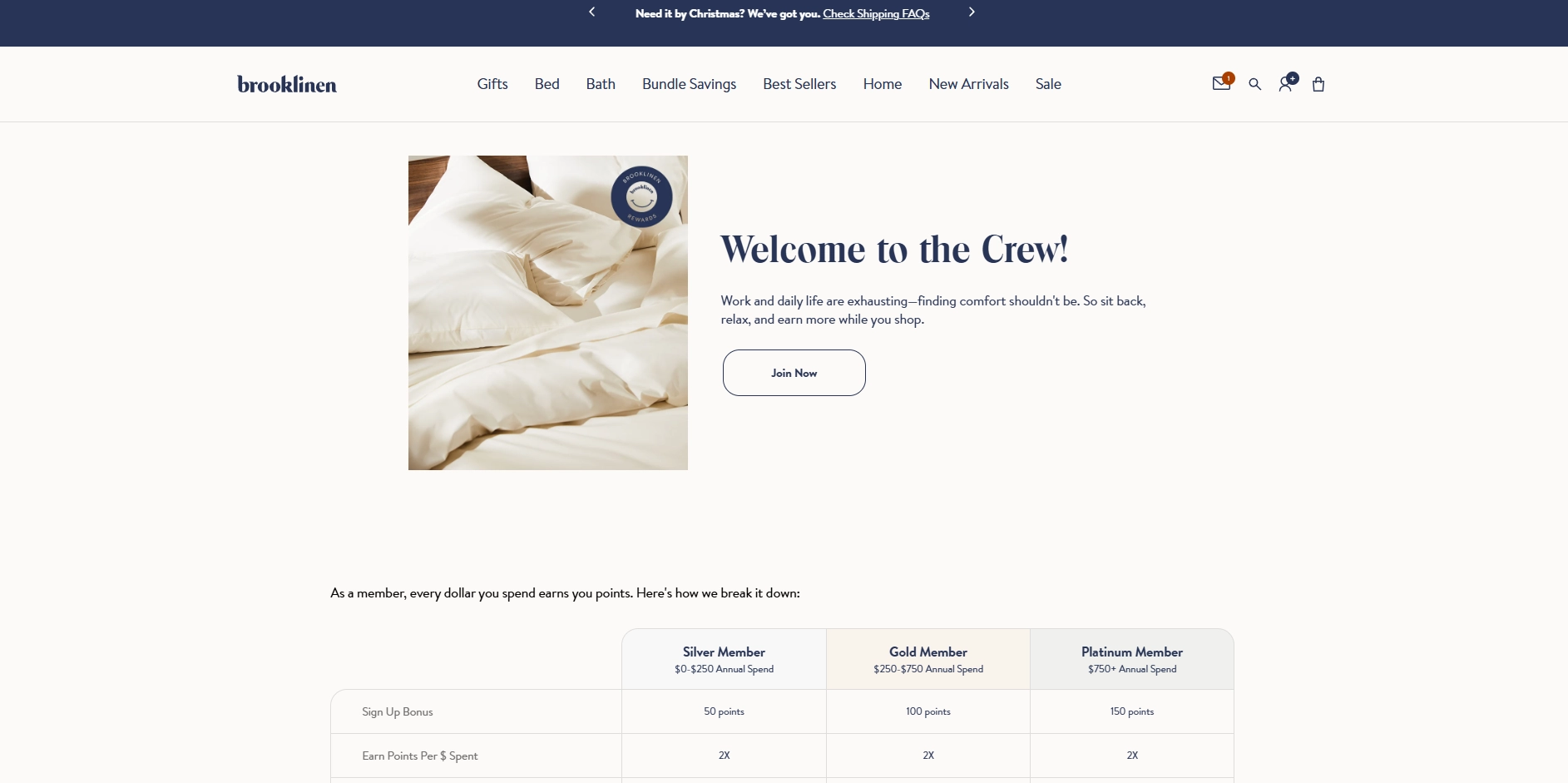
- Industry: Home Decor
- Rewarding System: Store credit for the referrer and friend; earn 1000 points and $25 off their first purchase.
- Type of Referral: Customer-to-customer
- Status: Active
Brooklinen’s success lies in frictionless sharing. Pre-written messages and one-click links reduce barriers to referral. They also optimize for moments of customer delight immediately after product delivery, when excitement and satisfaction are at their peak.
This not only drives new sign-ups but also strengthens brand loyalty among existing customers.
5. The Sill
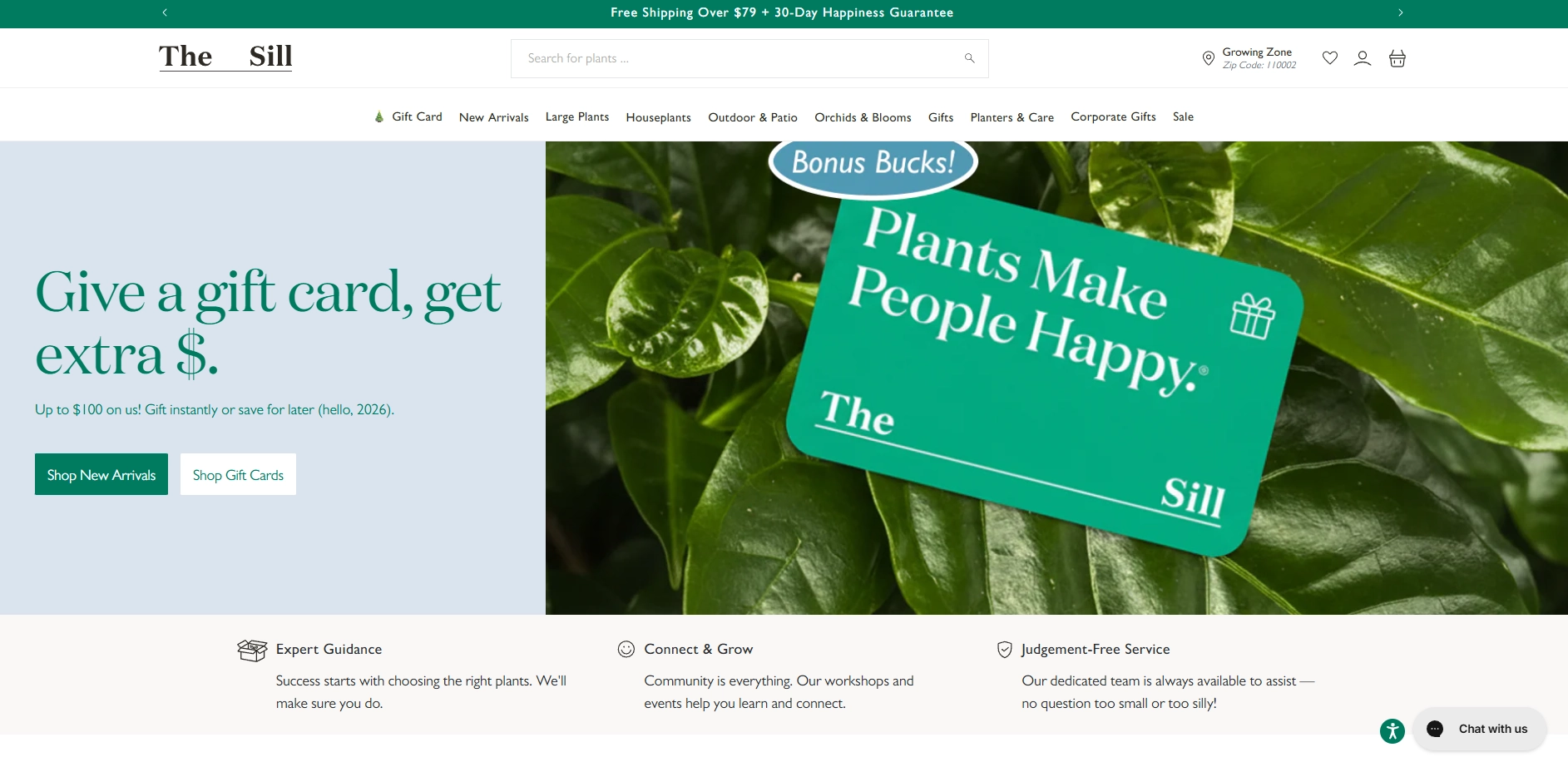
- Industry: Home Decor and Specialty Goods
- Rewarding System: Credits for plant purchases, community perks, and offers 10% off on first purchase
- Type of Referral: Customer-to-customer with community-driven incentives
- Status: Active
The Sill combines social engagement with product education. Customers referring friends not only earn credits but also participate in a shared plant-care community.
This strategy increases customer lifetime value by encouraging subscription boxes and recurring purchases, while also promoting a network of highly engaged advocates who amplify brand reach organically.
6. Fabletics
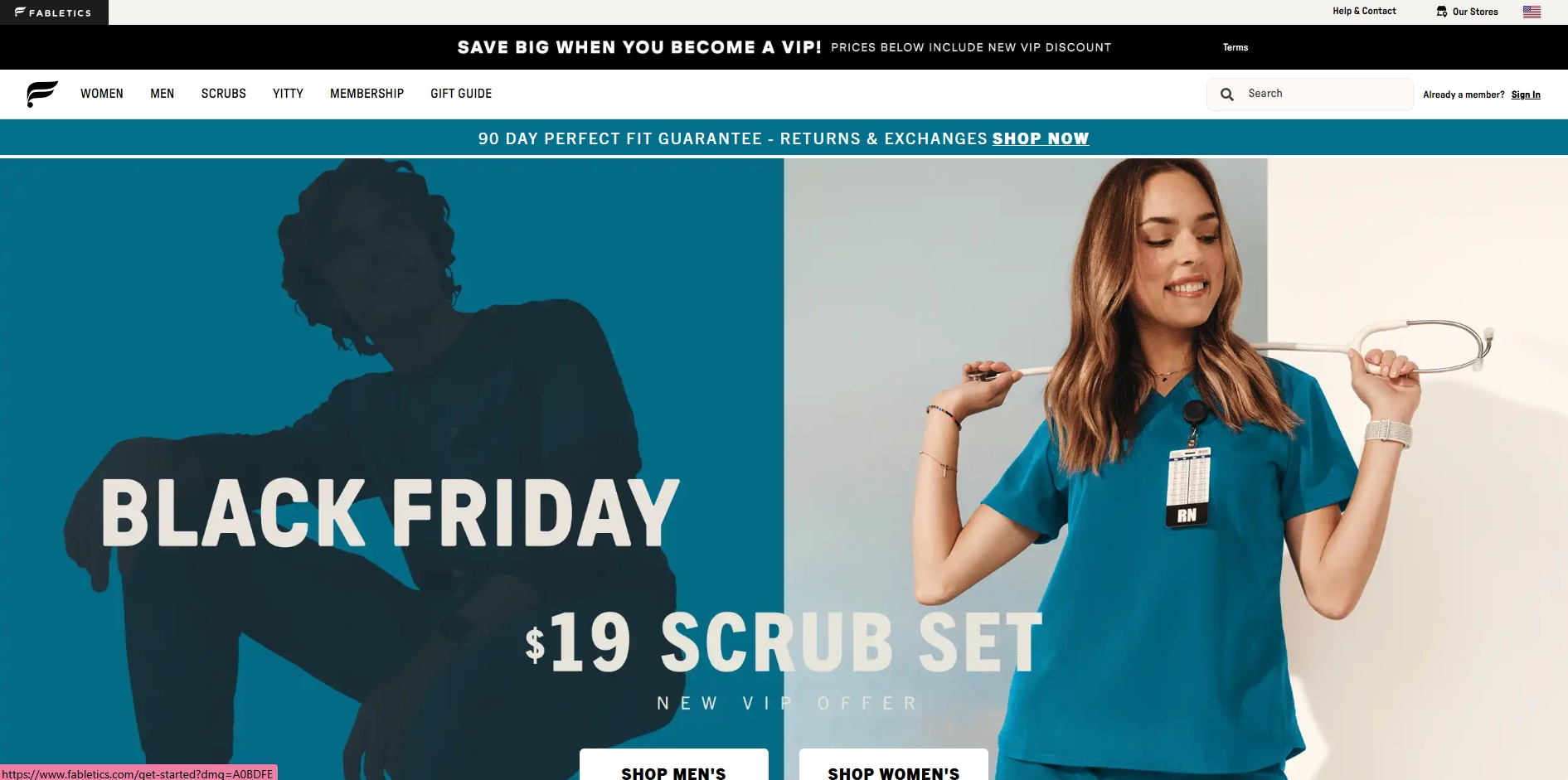
- Industry: Fashion and Activewear
- Rewarding System: Discounts on subscription boxes, bundles, and offers $40 sign-in credit when referred by a friend.
- Type of Referral: Customer-to-customer
- Status: Active
Fabletics uses tiered rewards to encourage multiple referrals. Customers who refer more friends receive larger discounts, improving both referral volume and average order value.
This approach gamifies the referral process, turning customers into brand champions who actively contribute to sales growth and brand visibility.
7. Function of Beauty
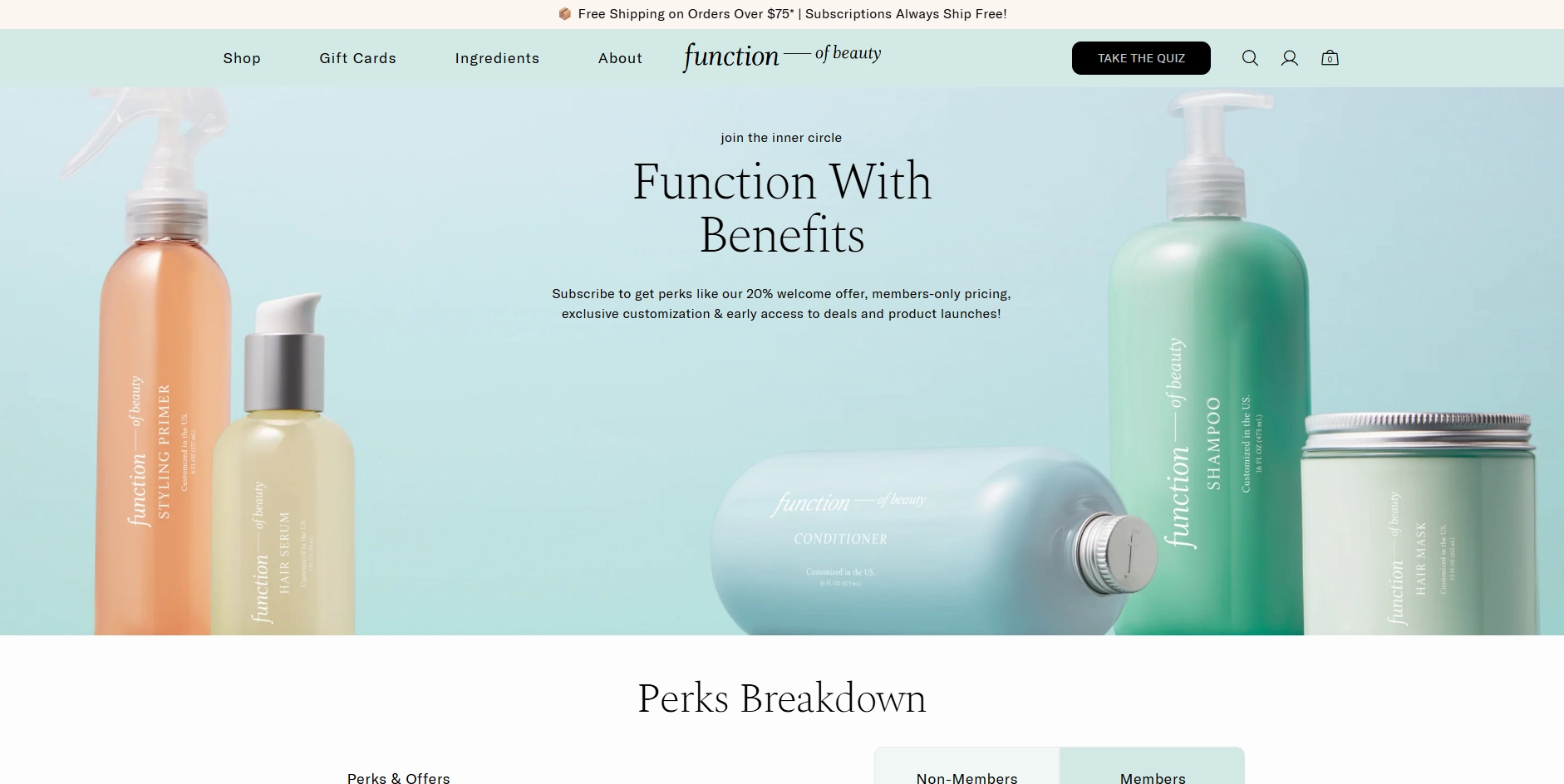
- Industry: Personal Care and Wellness
- Rewarding System: Free personalized products or discounts
- Type of Referral: Customer-to-customer
- Status: Active
Personalized products
increase the likelihood of authentic referrals because customers are excited to share their unique formulas.
At Function of Beauty, referred users exhibit higher retention and engagement, as they perceive the product as tailored to their needs, thereby enhancing lifetime value. This program also incentivizes social sharing, creating UGC that strengthens brand credibility.
8. Bombas
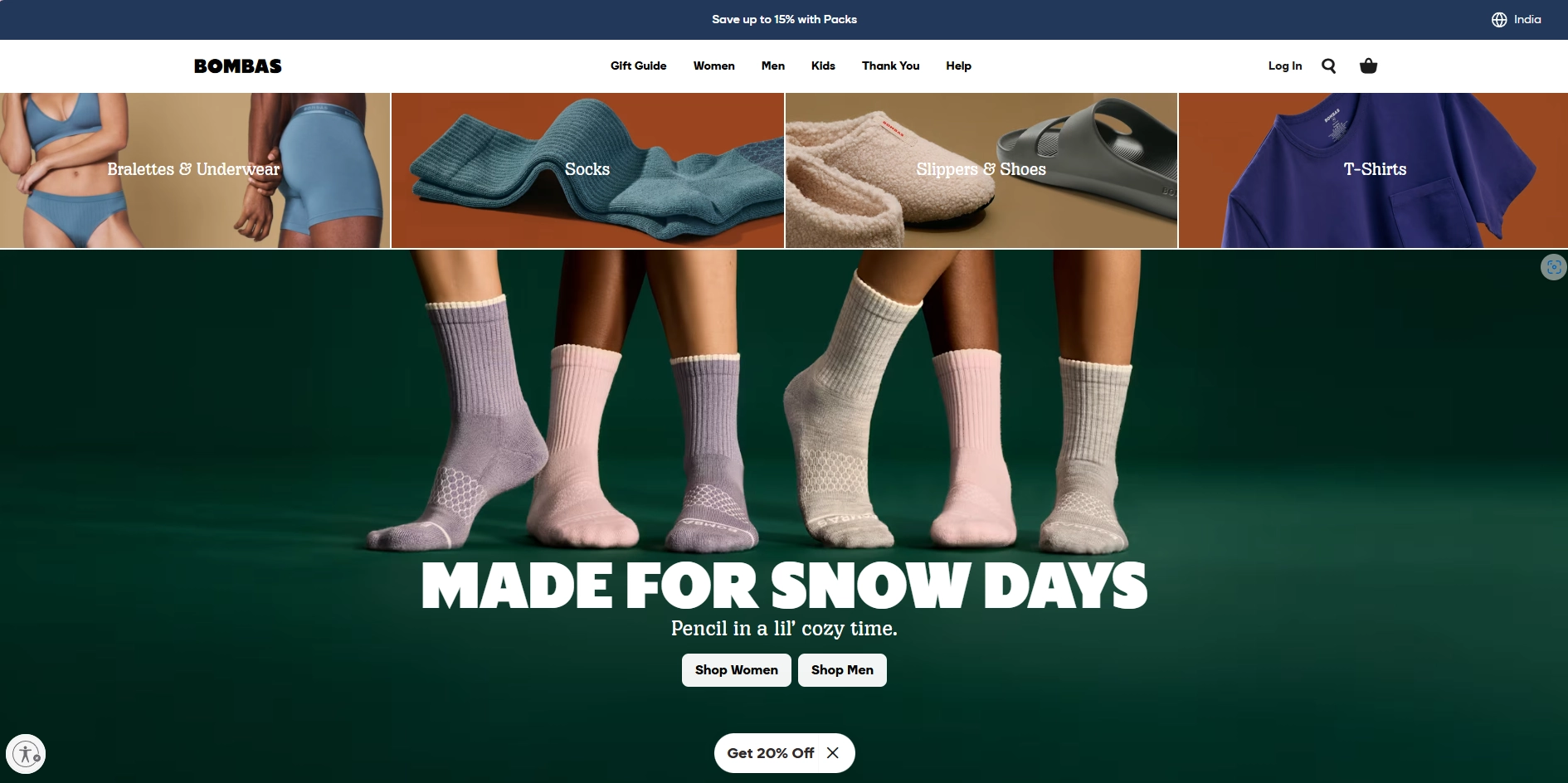
- Industry: Fashion and Specialty Goods
- Rewarding System: ‘Best Bud Give Bombas’ program offers discounts of around $25 plus charitable donations for referrals
- Type of Referral: Customer-to-customer with social impact
- Status: Active
Bombas combines tangible rewards with purpose-driven incentives. Customers who refer friends know each purchase also supports a charitable cause, which motivates sharing and strengthens their emotional connection to the brand.
This dual incentive drives both acquisition and customer loyalty, appealing especially to socially conscious consumers.
9. Dr. Dennis Gross Skincare
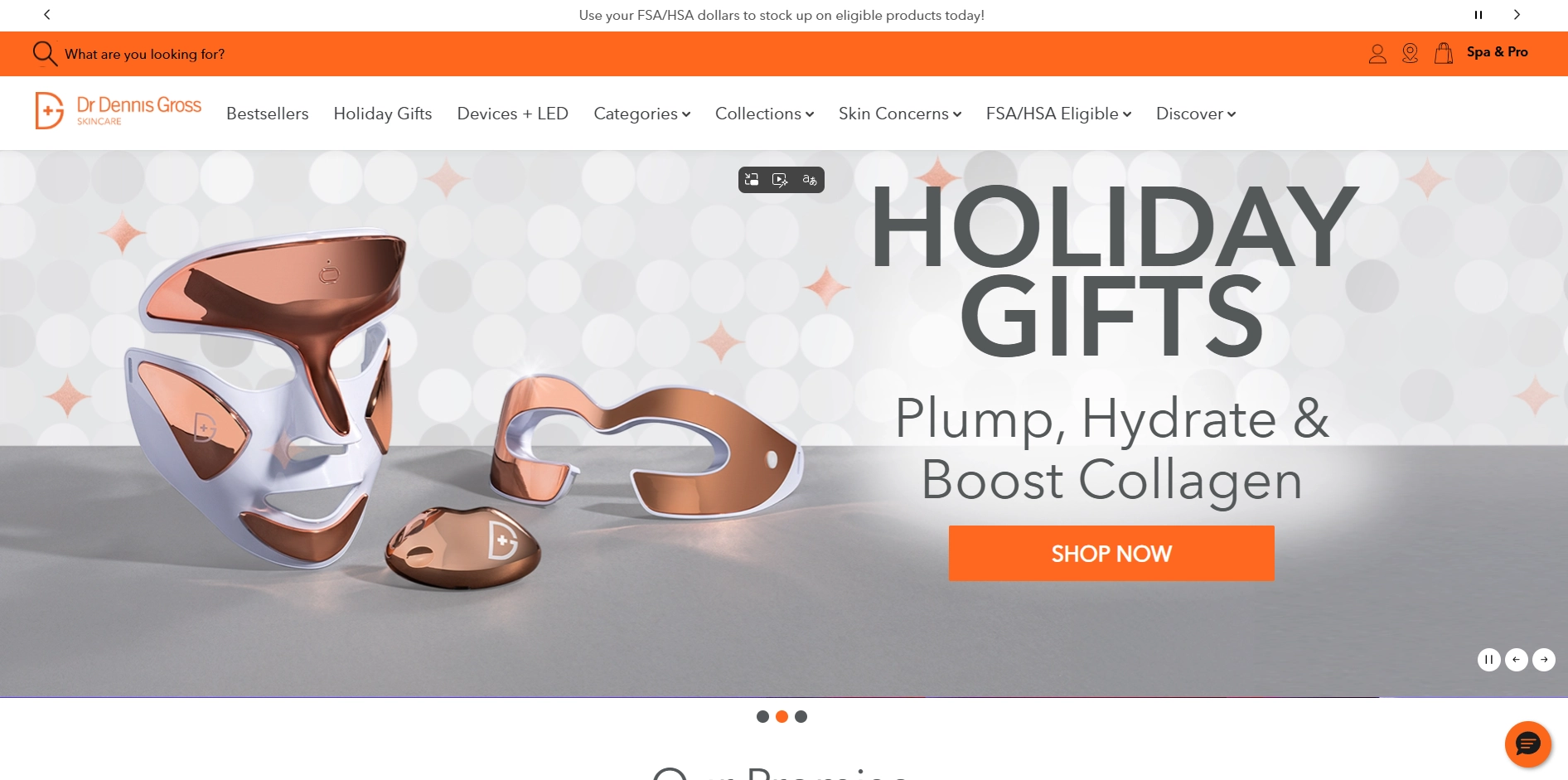
- Industry: Beauty and Personal Care
- Rewarding System: Discounts and loyalty points
- Type of Referral: Customer-to-customer
- Status: Active
Dr. Dennis Gross Skincare offers layered rewards to encourage continuous referrals. Customers benefit from discounts while the referred users are nudged into repeat purchase cycles through loyalty points.
The program also collects referral data that informs future campaigns, optimizing messaging and reward structures for maximum ROI.
10. Parachute Home
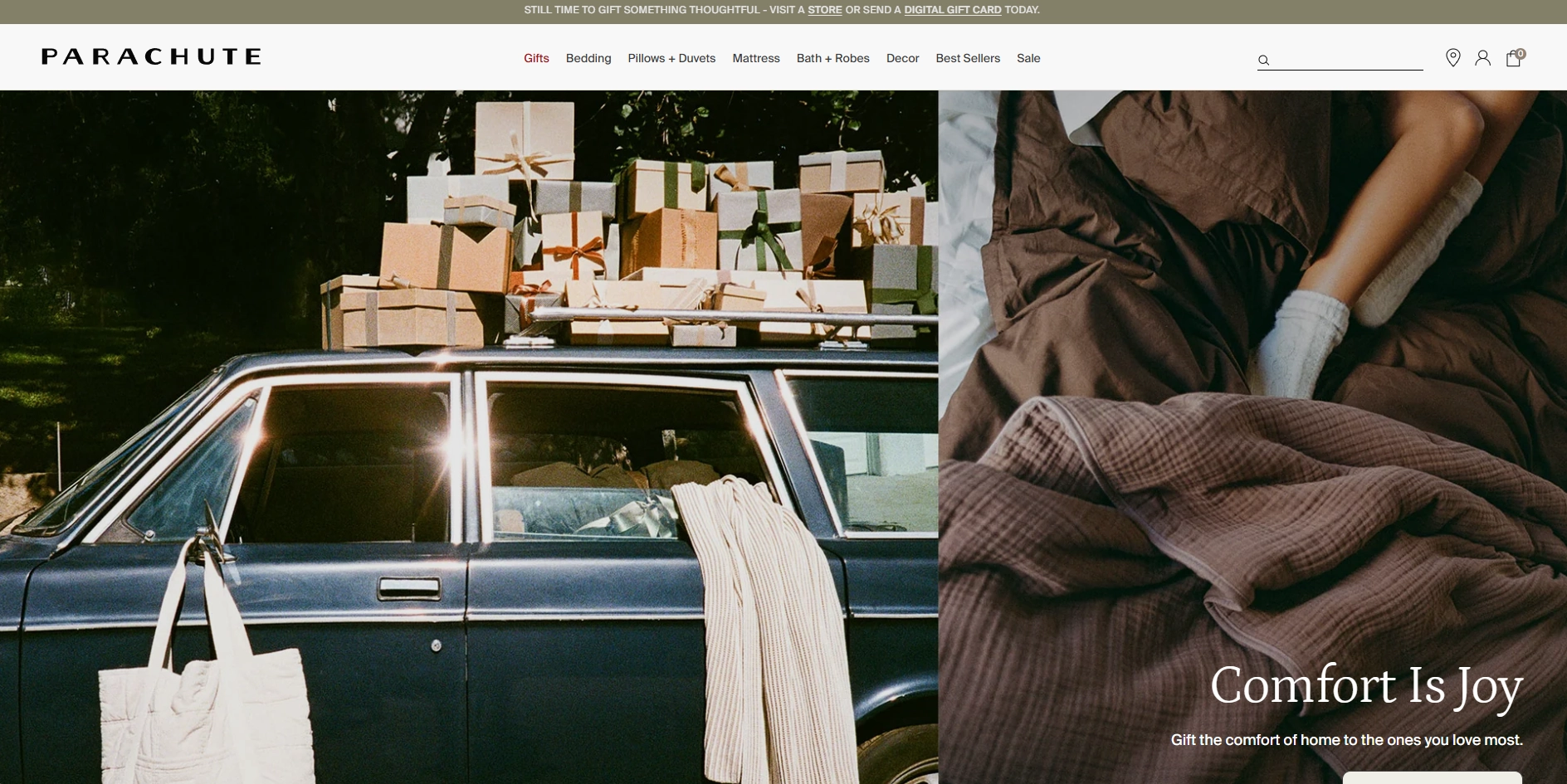
- Industry: Home Decor and Lifestyle
- Rewarding System: Store credit and discounts of around 20%
- Type of Referral: Customer-to-customer
- Status: Active
Parachute Home integrates referral prompts across emails, packaging, and website touchpoints, using moments of delight such as unboxing. This omnichannel approach drives both immediate referrals and long-term engagement.
Referral participation improves when advocates feel valued and empowered to share without friction, directly influencing acquisition and retention metrics.
Once a referral program is live, the focus shifts from setup to growth. This is where scaling strategies make the difference.
5 Proven Strategies to Scale Your E‑Commerce Referral Program
Building an effective referral program requires more than good incentives. To scale results consistently, you need a structured approach that turns satisfied customers into reliable acquisition channels while maintaining trust and brand alignment.
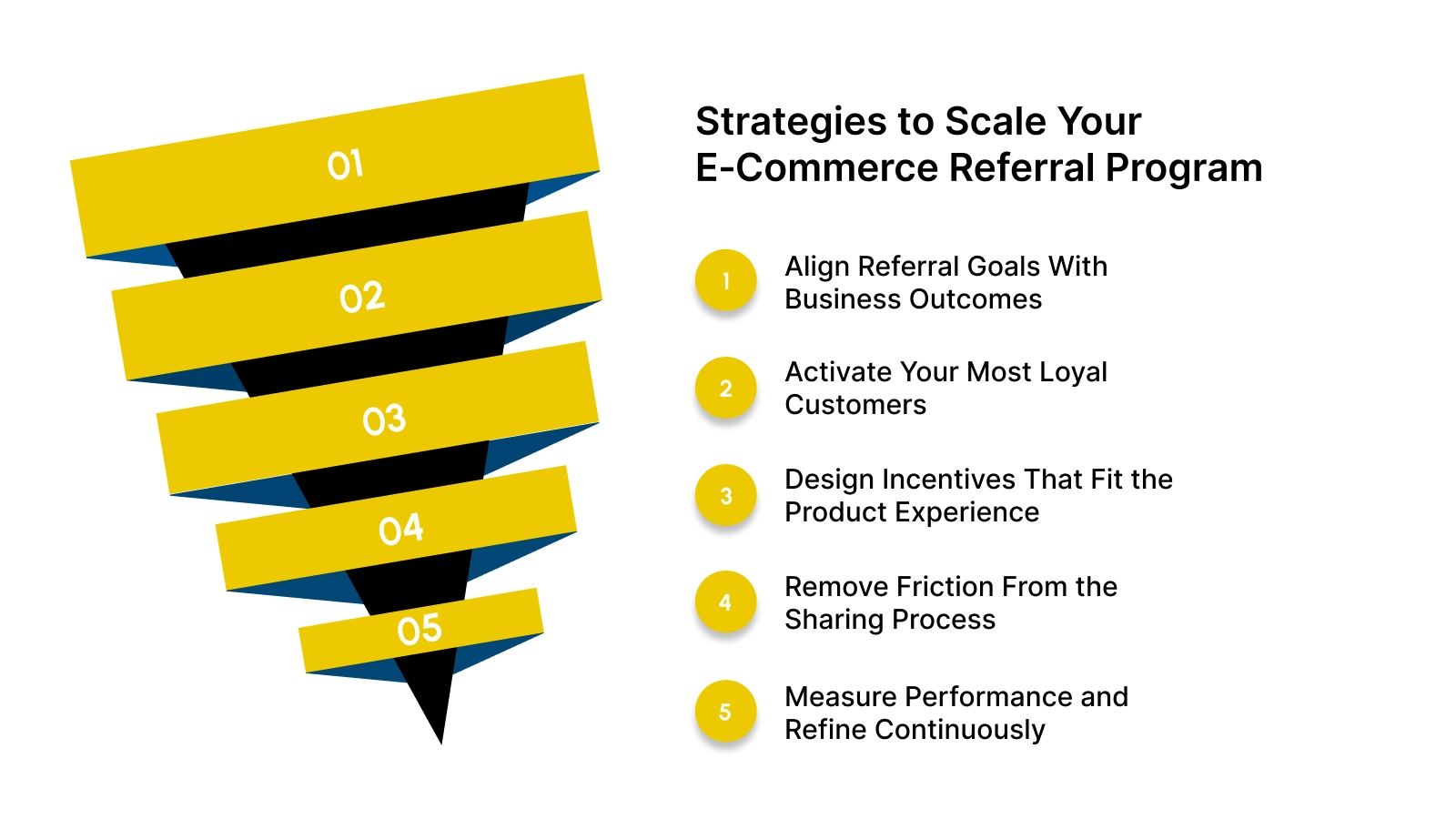
1. Align Referral Goals With Business Outcomes
Every referral program should start with a clear objective. If your goal is customer acquisition, Away uses dual-sided travel credits that reward both the referrer and the friend, encouraging quick participation.
For brands focused on increasing order value, Stitch Fix structures rewards so customers unlock higher credits as they refer more people, creating sustained engagement rather than one-time referrals.
2. Activate Your Most Loyal Customers
Your best advocates are customers who already interact frequently with your brand. Boll and Branch, a home decor and bedding brand, prioritizes repeat buyers who consistently reorder and leave positive feedback.
These customers share authentic recommendations because they genuinely value the product, making their referrals more credible and more likely to convert.
3. Design Incentives That Fit the Product Experience
Referral rewards work best when they naturally connect with what customers already purchase. Rothy’s, a fashion and footwear brand, offers store credit that encourages repeat purchases rather than one-time discounts.
This approach keeps customers within the ecosystem while ensuring the incentive feels relevant and valuable rather than transactional.
4. Remove Friction From the Sharing Process
Customers are more likely to refer when sharing feels effortless. Brooklinen, a home goods brand, simplifies referrals by providing one-click links that can be shared through email or messaging apps immediately after purchase.
By minimizing steps and eliminating confusion, the brand increases referral participation without relying on aggressive reminders.
5. Measure Performance and Refine Continuously
Scaling referrals depends on understanding what drives quality conversions. E-commerce brands using platforms like Nector track which customers refer most often, which channels perform best, and which incentives lead to higher lifetime value.
These insights allow teams to refine rewards, messaging, and placement over time, ensuring long-term growth rather than short-term spikes.
When these strategies work together, referral programs become predictable growth engines and sources of ideas to increase referral volume.
Also read: Essential Referral Strategies for Business Growth
Build Referral Programs That Convert with Nector
Managing referral programs manually can be time-consuming and complex. Tracking shares, personalizing rewards, and ensuring timely delivery become harder as programs grow. Nector simplifies this process by providing a fully automated platform for referral management. You get setup, tracking, and reward fulfillment without manual effort.
Because Nector is easy to integrate and white-labeled, even small teams can manage referral programs without dedicated staff.
Here’s what you get from Nector’s Referral Program:
- Fast Setup Without Technical Work: You can launch referral programs quickly using built-in workflows that remove the need for custom development or technical setup.
- Encourage Repeat Sharing: Your customers stay engaged because the program uses clear rules and meaningful rewards that encourage repeat sharing.
- Automate Tracking and Rewards: Referral tracking and reward delivery are automated, helping prevent errors and delays.
- Measure Referral Impact Clearly: You get a clear view of referral-driven orders, revenue, and top contributors from a single dashboard.
- Scale Without Extra Resources: The platform supports growing referral volumes smoothly, without requiring additional tools or larger teams.
Nector provides an all-in-one solution for managing referrals, rewards, and performance tracking. Try the platform and see how an automated referral program can drive steady growth.

Final Thoughts
Well-designed referral programs rely on your most satisfied customers to generate consistent, long-term growth. When built right, these referral examples show how genuine recommendations can turn everyday users into a reliable acquisition channel based on trust.
However, managing referrals manually can quickly become complex and time-consuming. From tracking shares to distributing rewards, operational gaps often limit results. Nector simplifies this process by handling setup, tracking, and reward fulfillment across channels, so your program runs smoothly with minimal effort.
If you’re ready to apply these referral examples practically, start building your referral program with Nector. Book a demo today and turn customer advocacy into a sustainable growth engine.
FAQs
What is an example of a successful referral program?
A successful referral program rewards both the existing customer and the new user. Well-known examples include Dropbox offering extra storage and Uber providing ride credits. These programs work because they are simple, valuable, and easy to share.
How can you create a referral program that works?
You can create an effective referral program by offering rewards your customers actually want and placing referral prompts at the right moments, such as after a positive experience. Keeping the process quick and easy increases participation.
Why do some referral programs perform better than others?
Referral programs perform better when rewards are clear, rules are transparent, and the sharing process has few steps. Programs that remove friction and deliver rewards on time see higher engagement.
How much should you offer as a referral reward?
The right referral reward depends on your customer acquisition cost and the long-term value of your customers. Many businesses use discounts, credits, or free products that feel meaningful without impacting profitability.
What types of referral programs do businesses use?
Businesses commonly use dual-sided rewards, tier-based referral systems, and loyalty-linked programs. Some also offer commission-style or donation-based referrals, depending on their audience and goals.


.webp)
%201%20(1).webp)

Start Building Customer Retention That Lasts