





.avif)
.avif)
Customers love feeling appreciated, and loyalty programs are a great way to show that appreciation. But just offering points or discounts isn’t enough to keep them coming back. McKinsey sums it up well: “On their own, loyalty programs can be helpful tools to drive long-term engagement and stickiness.”
But to truly make an impact, these programs need to be more than just rewards; they need to be personalized. That’s where customer segmentation comes in. By understanding what drives your customers’ behavior, you can tailor rewards that feel meaningful and encourage repeat business.
In this blog, we’ll dive into the best customer segmentation tools that help you create loyalty programs your customers will actually stick with.
Key Takeaway
- Customer segmentation personalizes loyalty rewards, improving customer engagement and retention by targeting specific behaviors.
- AI-powered tools analyze past customer interactions to deliver more relevant and accurate rewards.
- Omnichannel integration ensures a unified view of customer behavior across multiple platforms, providing a consistent loyalty experience.
- Real-time insights allow businesses to adjust segmentation strategies quickly based on current customer actions.
- When choosing a segmentation tool, prioritize ease of use, scalability, and seamless integration with your existing systems.
What is Customer Segmentation for Loyalty Programs?
Customer segmentation refers to the process of dividing a business’s customer base into distinct groups based on specific characteristics such as:
- Purchasing behavior
- Preferences
- Demographics.
For loyalty programs, segmentation is important because it allows businesses to tailor their rewards and communications to the needs and behaviors of each group. This approach not only improves customer satisfaction by providing more relevant offers but also helps companies drive long-term loyalty and repeat purchases.
Effective segmentation also makes it easier to track the success of loyalty initiatives, measure engagement, and continuously refine marketing strategies based on data.
Also Read: Ugaoo’s 44X ROI with Nector: Referral & Review Program Success
5 Key Features to Choose the Best Customer Segmentation Tool for Loyalty Program
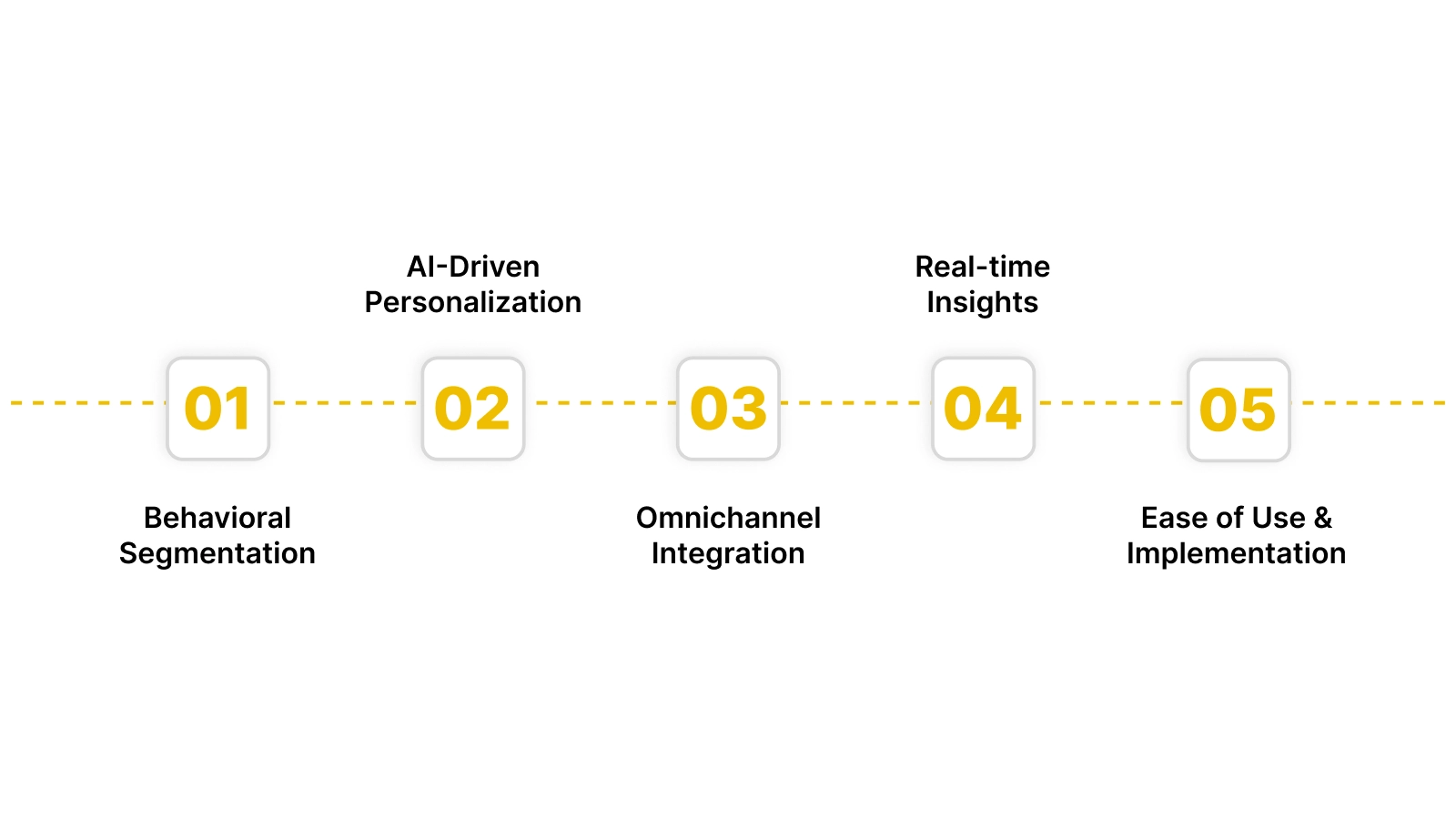
When evaluating customer segmentation tools for loyalty programs, consider the following key features to ensure you’re choosing a platform that aligns with your goals and business needs.
1. Behavioral Segmentation
Behavioral segmentation focuses on grouping customers based on their actions, preferences, and interactions with your brand. This could include purchase history, website visits, or social media engagement. By segmenting customers according to these behaviors, businesses can deliver tailored loyalty rewards that encourage specific actions, such as repeat purchases or social shares.
2. AI-Driven Personalization
AI-powered tools can enhance customer segmentation by using predictive analytics to identify which customers are likely to respond to certain types of rewards or campaigns. Personalization becomes more precise as AI learns from past interactions, helping brands deliver timely and relevant offers to the right customers.
3. Omnichannel Integration
As businesses increasingly operate across multiple platforms, websites, mobile apps, email, and physical stores, tools that offer omnichannel integration are essential. A comprehensive tool will provide a unified view of customer behavior, regardless of where the interaction happens. You can segment customers who engage with your brand through both email and the app, offering them a unique, cross-channel loyalty reward for engaging across both platforms.
4. Real-time Insights
Real-time data is important for making quick adjustments to segmentation strategies. With up-to-date insights, businesses can quickly respond to changes in customer behavior, offering personalized rewards in the moment. For example, a customer who abandons their cart on your website could receive a personalized discount code via email or SMS within minutes, incentivizing them to complete the purchase.
5. Ease of Use and Implementation
Especially for small businesses or those with limited resources, customer segmentation tools must be easy to set up and maintain. Look for tools that offer intuitive dashboards, pre-built templates, and user-friendly interfaces, enabling marketing teams to manage segmentation without needing extensive technical expertise.
Choosing the right customer segmentation tool is essential to the success of your loyalty program. Now that you know what features to prioritize, let’s take a closer look at the top tools available and which ones will best suit your business needs.
Top 10 Customer Segmentation Tools for Loyalty Programs in 2025
In this section, we dive into the top customer segmentation tools for loyalty programs in 2025, based on their features, pricing, and best-fit use cases.
1. Nector
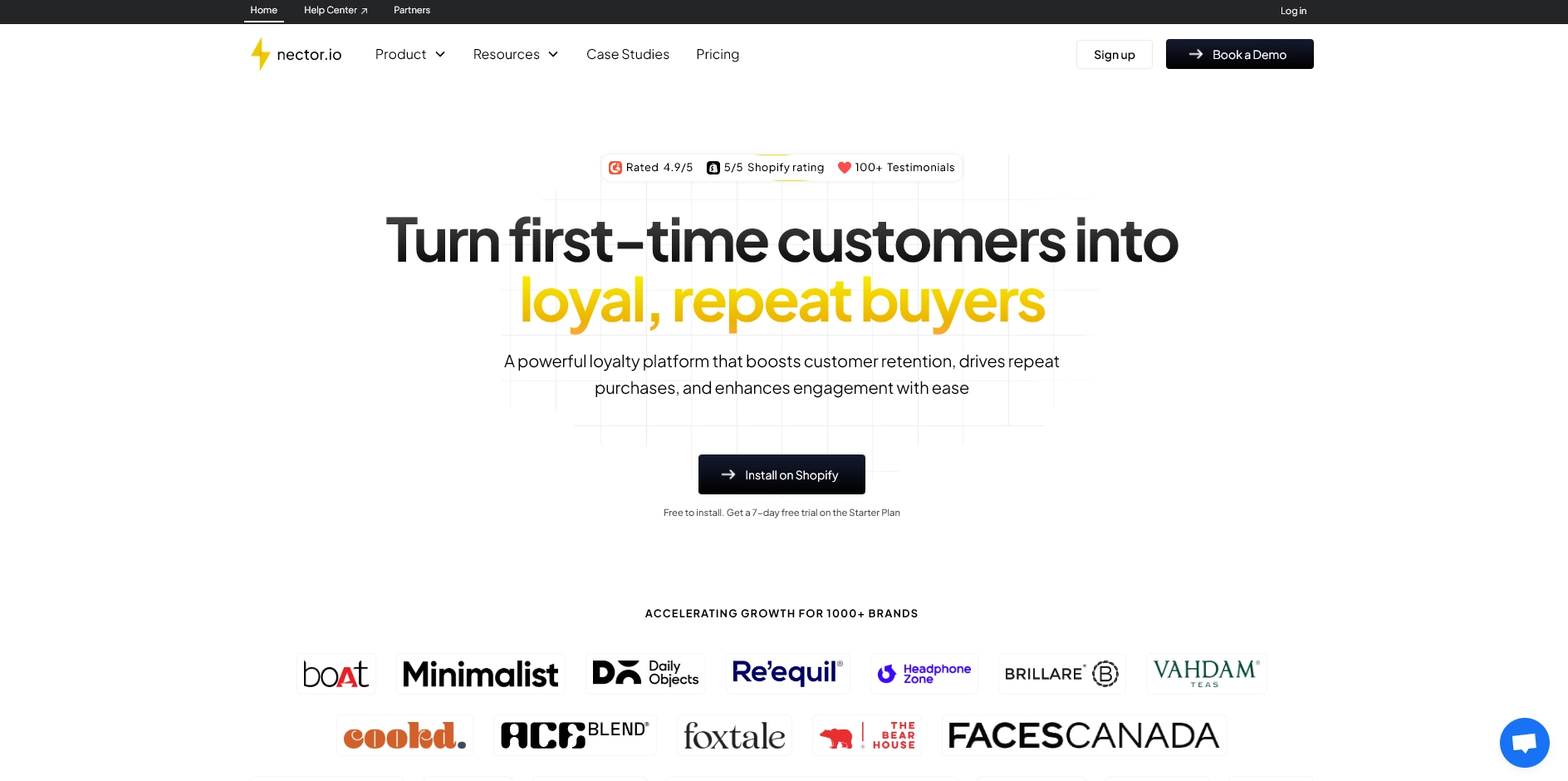
Nector is an AI-powered platform that helps e-commerce businesses automate and personalize their loyalty programs. It offers seamless integration with Shopify, real-time insights, and gamified loyalty systems. This makes it easy to create and manage scalable, automated loyalty experiences for customers.
Key Features:
- AI-powered segmentation to target customers with personalized rewards
- Real-time insights for immediate adjustments to loyalty strategies
- Seamless integration with Shopify and other e-commerce platforms
- Customizable rewards and gamified systems to increase customer engagement
Best For: E-commerce businesses looking to automate and personalize loyalty rewards at scale. Nector is ideal for small to mid-sized businesses that want an easy-to-use, low-maintenance solution for driving customer retention and engagement.
Pricing: Starts at $49/month with scalable pricing for larger teams.

2. LoyaltyLion
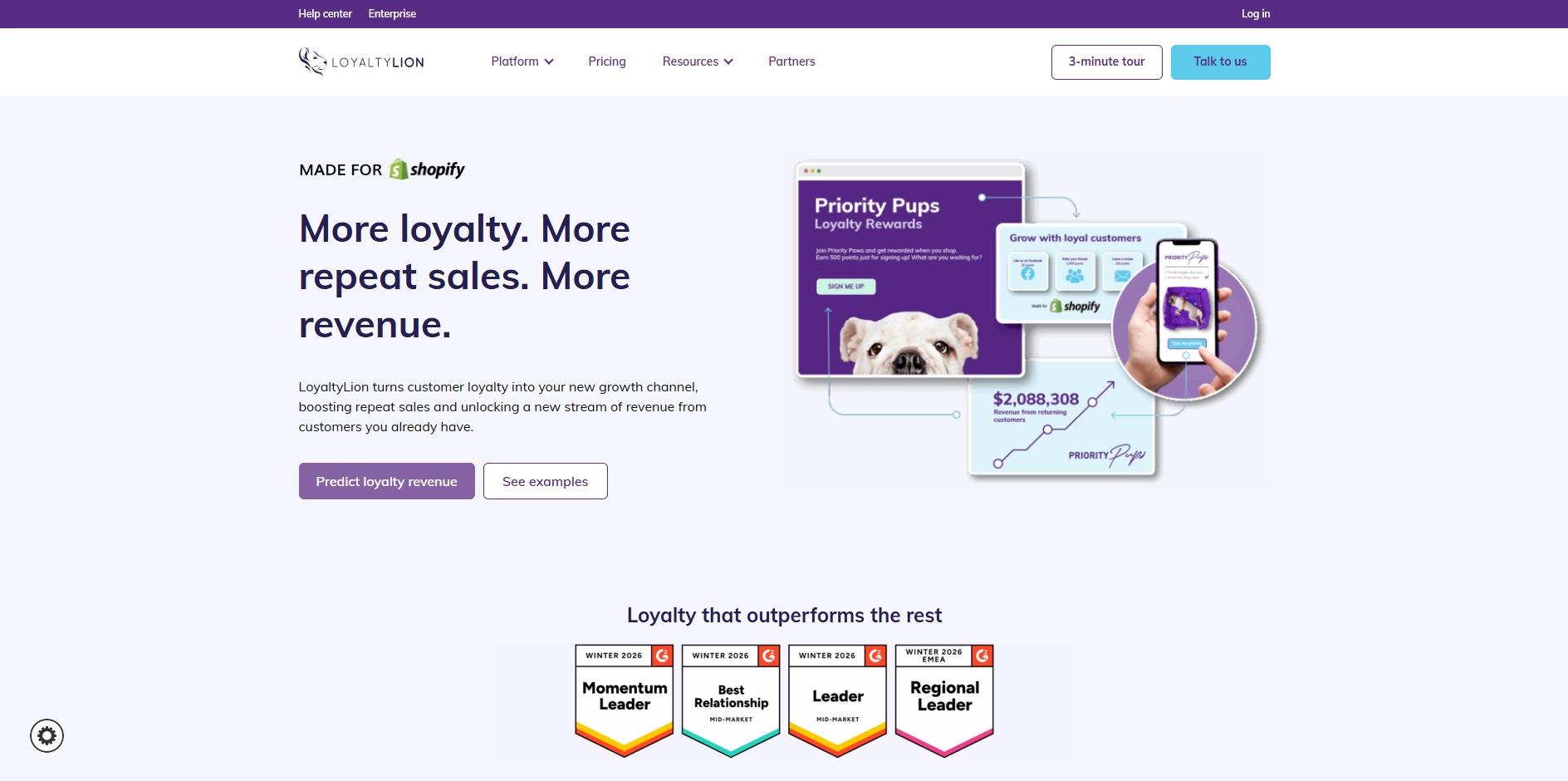
LoyaltyLion is a flexible loyalty program solution designed for e-commerce brands. It integrates with platforms like Shopify and BigCommerce, allowing businesses to create customizable loyalty programs and track customer engagement through advanced analytics.
Key Features:
- Customizable loyalty programs tailored to business objectives
- Extensive e-commerce platform integrations, including Shopify and BigCommerce
- Advanced analytics to track program performance and customer behavior
- Flexible reward options to suit various customer segments
Best For: E-commerce brands seeking flexible, customizable loyalty program solutions with extensive integration options for a seamless customer experience.
Pricing: Starts at $199/month.
3. Smile.io
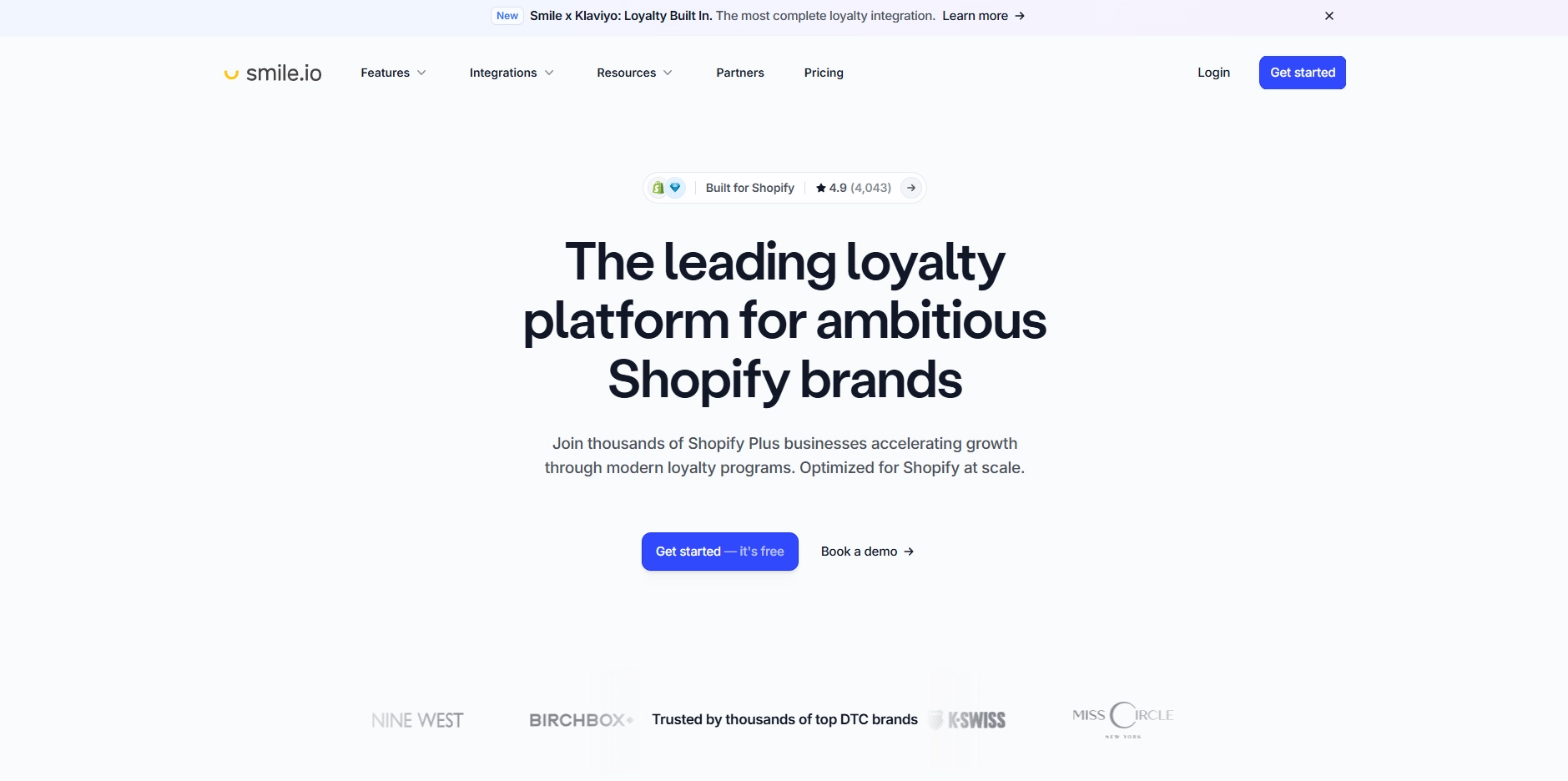
Smile.io is an easy-to-use loyalty program platform that helps small businesses launch and manage point-based rewards, referral programs, and VIP tiers. Its user-friendly interface and affordable pricing make it an ideal choice for startups looking to engage customers without complexity.
Key Features:
- Points-based rewards system for customer engagement
- Referral programs that incentivize customers to bring in new business
- VIP tiers that provide additional incentives for loyal customers
- Easy-to-set-up program with an intuitive user interface
Best For: Small businesses or startups looking for an affordable, easy-to-implement loyalty program solution that drives customer retention and engagement.
Pricing: Starts at $49/month.
4. Yotpo
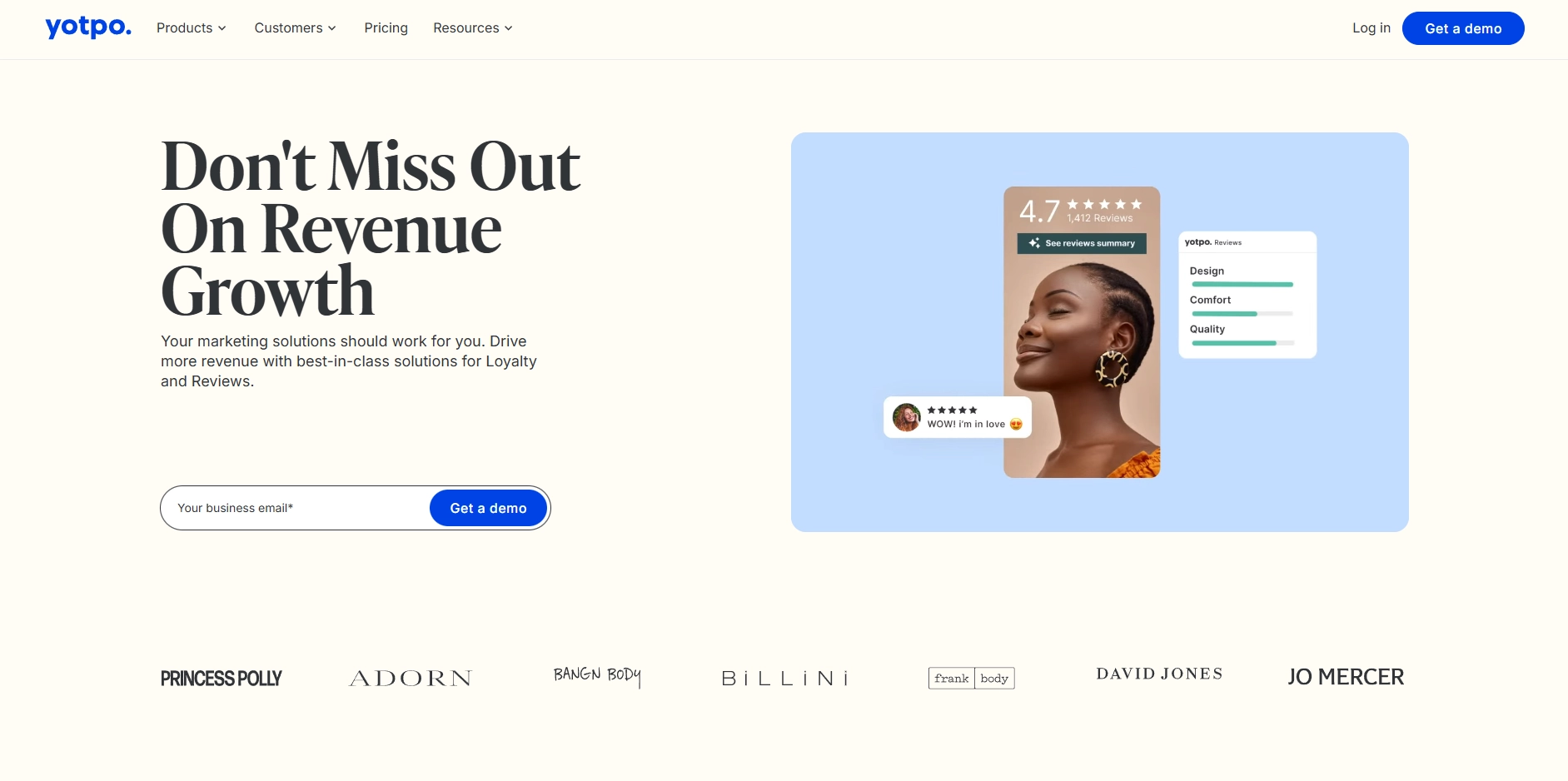
Yotpo integrates loyalty programs with user-generated content (reviews), SMS marketing, and social media. It’s a comprehensive solution for brands that want to enhance customer loyalty while also driving social proof through reviews and content.
Key Features:
- Loyalty programs integrated with reviews, SMS marketing, and UGC
- Customizable reward structures to fit different customer types
- Integration with social media platforms to enhance engagement
- Automated review requests and customer feedback management
Best For: Brands looking for an all-in-one platform that combines loyalty, reviews, and SMS marketing to boost customer retention and social proof.
Pricing: Starts at $199/month
Also Read: Inside Vilvah’s 50%+ Retention Success - Powered by Nector
5. Segment
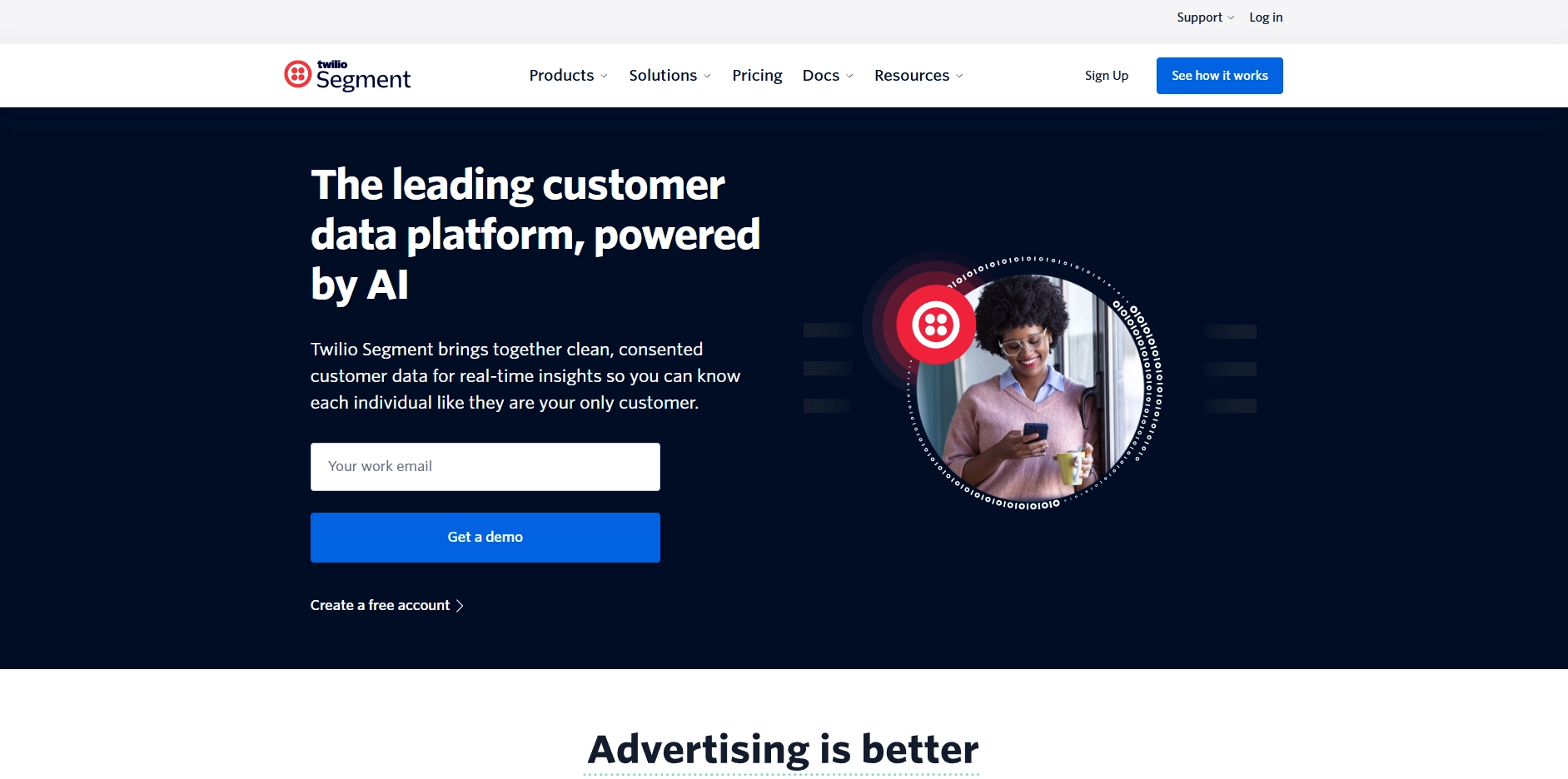
Segment offers advanced data integration and real-time customer insights, enabling businesses to segment their customers based on detailed behaviors. It’s ideal for brands that require high-level data analytics to deliver personalized loyalty experiences.
Key Features:
- Advanced data integration to gather insights across multiple touchpoints
- Real-time customer insights for timely segmentation and engagement
- Seamless integration with marketing automation and CRM tools
- Audience segmentation for targeted, personalized loyalty rewards
Best For: Mid‑sized to growing brands that operate across multiple channels, have enough customer data complexity to justify a CDP and want to deliver precisely targeted loyalty rewards and experiences.
Pricing: Entry‑level plans start around US $120/month
6. Mixpanel
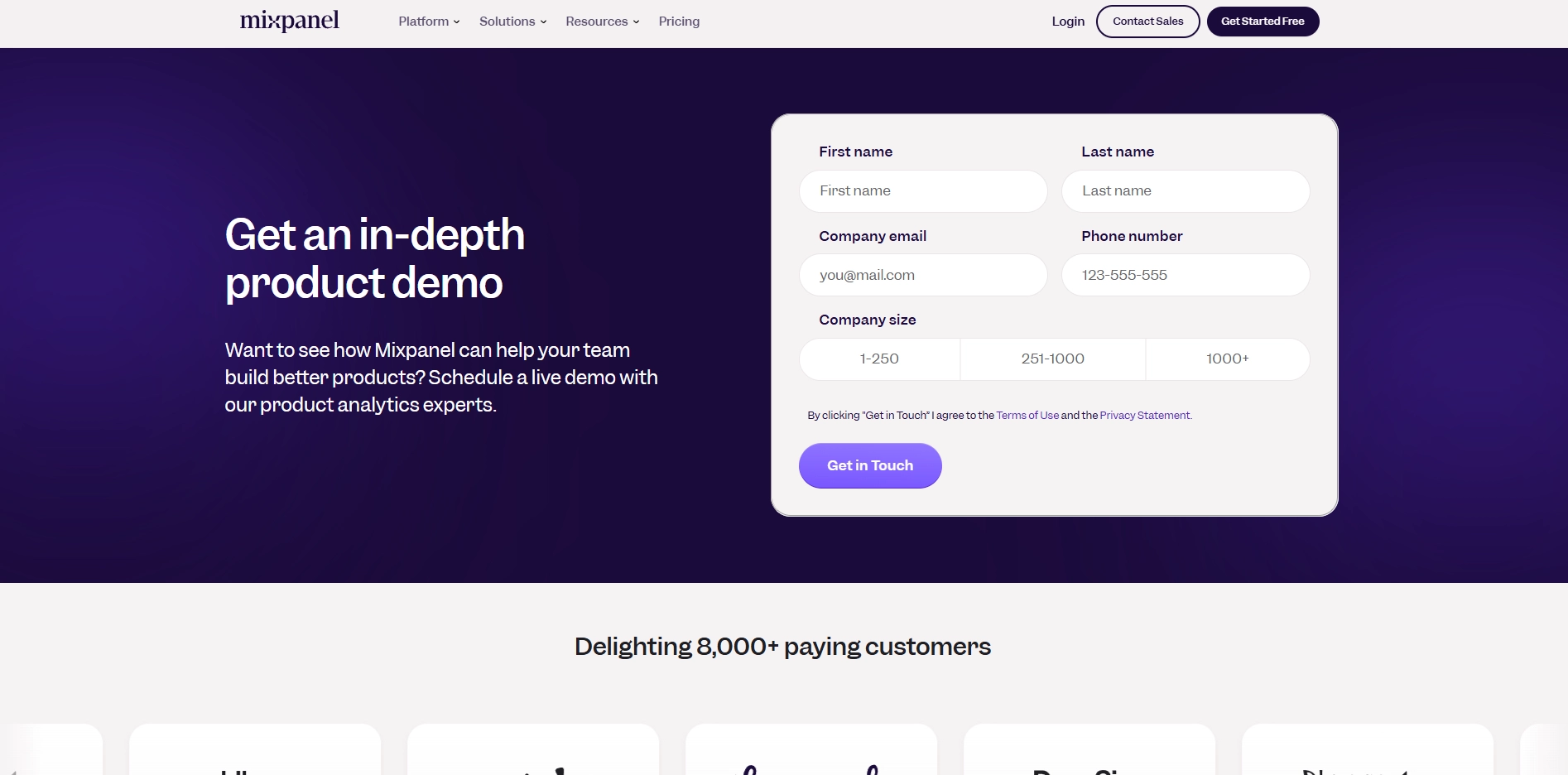
Mixpanel is a powerful analytics platform focused on cohort analysis, funnel tracking, and event-based segmentation. It provides deep insights into customer behavior, making it an excellent tool for optimizing customer retention and loyalty strategies.
Key Features:
- Cohort analysis to track and analyze customer behaviors over time
- Funnel tracking for identifying drop-off points in the customer journey
- Event-based segmentation to deliver tailored rewards based on specific actions
- Advanced reporting and data analysis capabilities
Best For: Data-driven brands that require deep insights into customer behavior to fine-tune their loyalty programs and improve retention.
Pricing: Free plan available (up to ~1 M monthly events); paid plans scale according to volume of events/tracked users.
7. Hotjar
Hotjar provides powerful visual tools like heatmaps, session recordings, and customer surveys to track user behavior on websites. It’s perfect for businesses that want to improve their website and loyalty interactions by identifying and addressing customer pain points.
Key Features:
- Heatmaps to understand where customers are clicking or scrolling on your site
- Session recordings to watch real-time customer behavior and actions
- Customer surveys to gather direct feedback on loyalty program experiences
- Conversion funnels to identify barriers to engagement and retention
Best For: Businesses looking for visual insights to optimize website interactions and improve loyalty program effectiveness based on user behavior.
Pricing: Starts at $40/month.
8. Usermaven
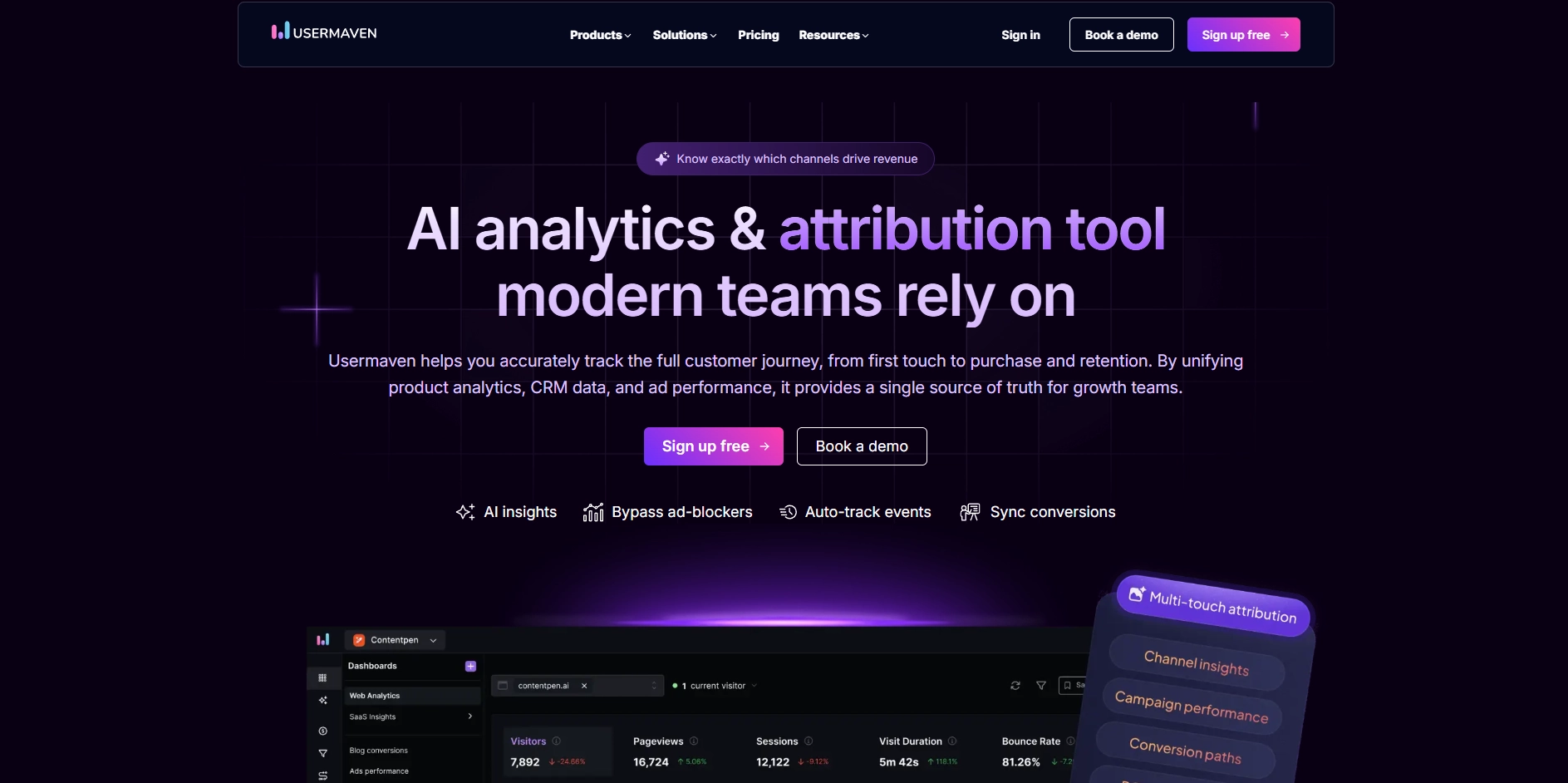
Usermaven offers automated segmentation and real-time analytics, allowing businesses to track customer behavior and engage segments with personalized loyalty rewards. Its user-friendly interface makes it ideal for businesses looking for an easy-to-use, automated solution.
Key Features:
- Automated segmentation to group customers based on behavior and attributes
- Real‑time analytics and event tracking to monitor customer activity and adjust loyalty‑rewards logic
- Privacy-compliant analytics, ideal for businesses with data protection needs
- Easy-to-use dashboard for managing segmentation without technical expertise
Best For: Businesses looking for automated, simple-to-implement customer segmentation with privacy-compliant analytics for personalized loyalty rewards.
Pricing: Starts at $71/month.
9. HubSpot
HubSpot’s CRM platform is an all-in-one solution that helps businesses automate customer retention strategies through segmented loyalty rewards. With its powerful marketing automation tools, HubSpot is perfect for businesses looking to simplify customer relationships.
Key Features:
- CRM integration with customer lifecycle segmentation
- Automated workflows for personalized loyalty rewards and engagement
- Comprehensive customer data management for personalized communications
- Detailed reporting and analytics for tracking program effectiveness
Best For: Companies looking for an all-in-one CRM with segmentation for loyalty, allowing for automated engagement and retention across multiple touchpoints.
Pricing: Paid starter plans begin around US $15‑20 per seat/month for small teams
10. Qualtrics
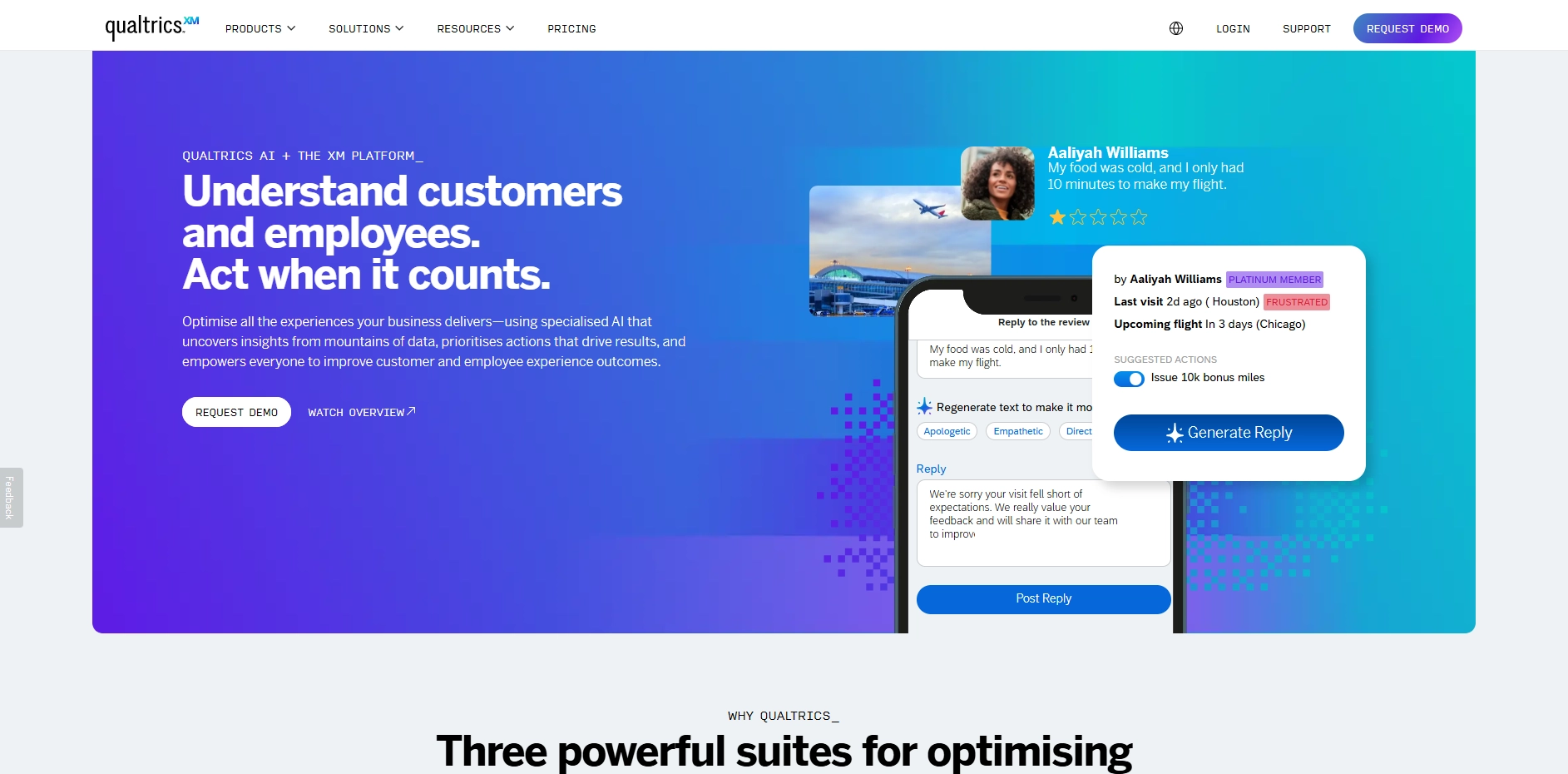
Qualtrics offers enterprise-level solutions for experience management, focusing on loyalty insights and survey-based segmentation. It’s best suited for businesses that want to dive deep into customer feedback to improve their loyalty programs.
Key Features:
- Experience management for gathering comprehensive customer feedback
- Loyalty insights to track and improve customer engagement
- Survey-based segmentation to tailor loyalty rewards based on feedback
- Advanced analytics and reporting for actionable insights
Best For: Enterprise-level businesses that need detailed customer feedback and analytics to inform and improve their loyalty programs.
Pricing: Custom pricing.
Choosing the right segmentation tools transforms loyalty programs from transactional to truly personal. It also creates deeper connections that drive not just retention, but meaningful brand loyalty.
4 Customer Segmentation Strategies to Boost Loyalty Program Engagement
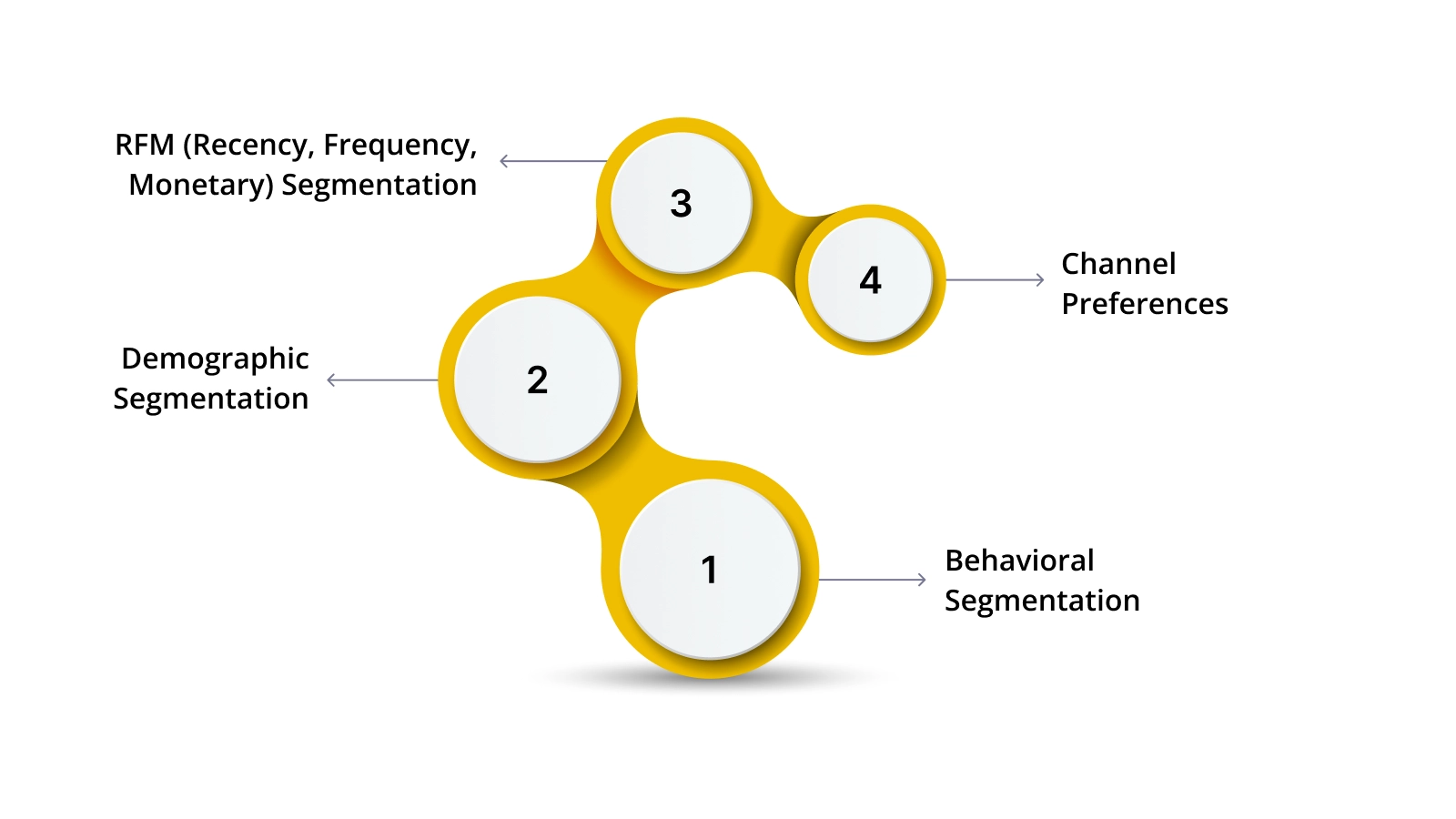
Effective segmentation is the backbone of a successful loyalty program. By dividing your customer base into distinct groups, you can target each segment with highly relevant rewards, increasing engagement and customer retention. Below are the key segmentation strategies that work well with loyalty programs.
1. Behavioral Segmentation
Behavioral segmentation categorizes customers based on their interactions with your brand, such as past purchases, browsing history, and preferences. This approach allows businesses to offer highly personalized rewards. For example, providing a discount to customers who browse frequently but haven't yet purchased can help nudge them down the purchase funnel.
2. Demographic Segmentation
Demographic segmentation divides customers by characteristics like age, gender, location, and income. By offering tailored rewards, businesses can appeal directly to specific groups. For instance, giving a special birthday reward to customers in a certain age group or exclusive offers to customers in specific regions helps make loyalty feel personal and relevant.
3. RFM (Recency, Frequency, Monetary) Segmentation
RFM segmentation helps identify valuable customers based on how recently they’ve made a purchase, how often they buy, and how much they spend. Offering VIP status or exclusive early access to high-frequency, high-value customers can drive deeper loyalty and increased spending from your most engaged segments.
4. Channel Preferences
Segmenting customers based on their preferred communication channels ensures that loyalty rewards are delivered through the right medium, whether it’s mobile, email, or in-store. For example, rewarding customers who primarily engage through your mobile app with exclusive mobile-only discounts creates a seamless and personalized experience.
By implementing these segmentation strategies, you can create more targeted and meaningful loyalty programs. Regardless, balancing multiple segmentation types and maintaining personalization can be challenging as your customer base grows.
4 Challenges in Loyalty Segmentation and How to Overcome Them
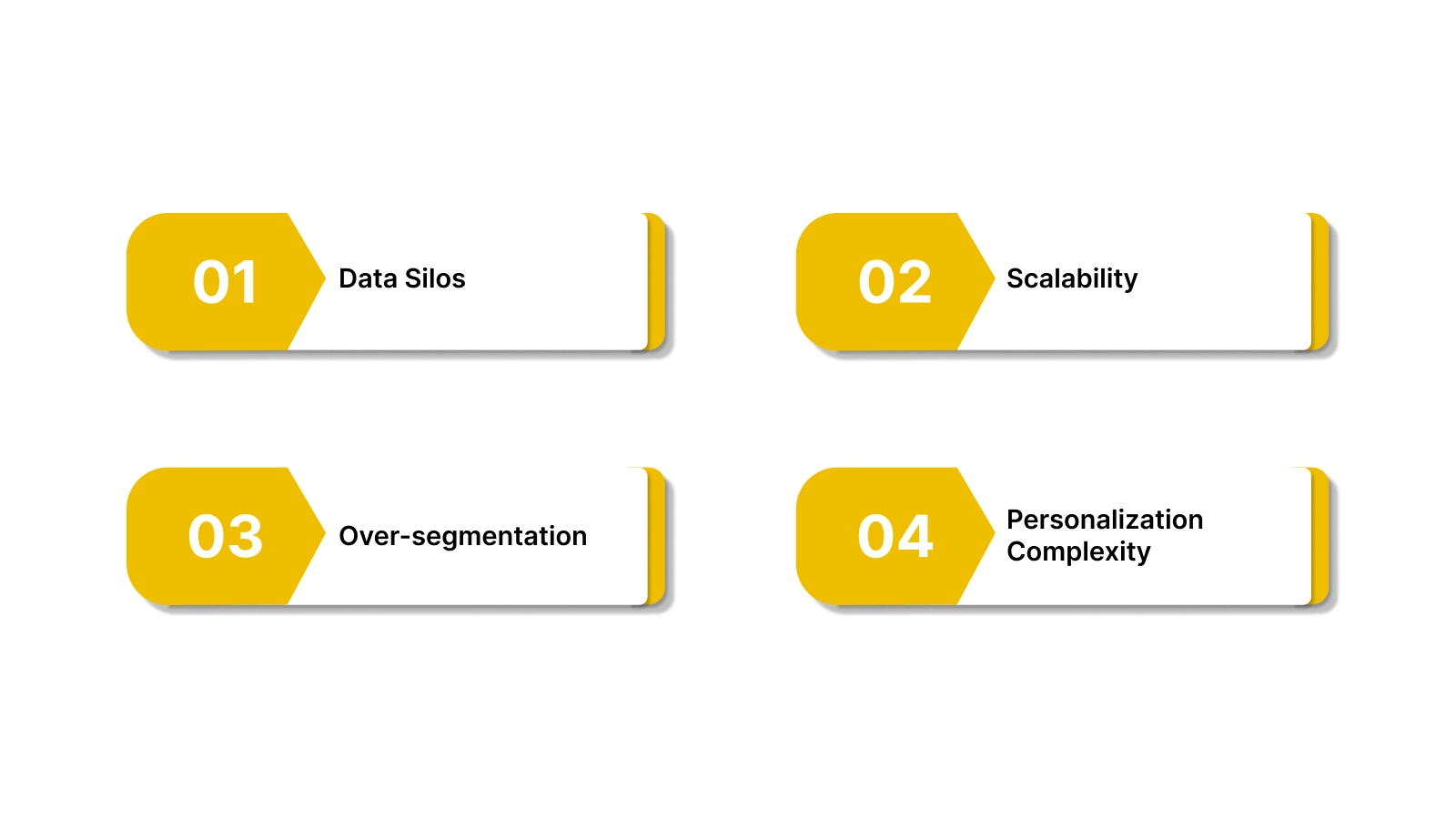
While segmentation is powerful, there are several challenges businesses may face. Let’s explore these challenges and how to overcome them.
1. Data Silos
Fragmented data across different platforms makes it challenging to create accurate customer segments. Without a unified view, your segmentation efforts may miss critical insights. Ensure all your data, from website interactions to social media engagement, flows into a single system, providing a comprehensive picture of customer behavior and enabling more precise targeting.
2. Scalability
As your business grows, managing customer data becomes increasingly complex. Choose segmentation tools that can scale with your business, handling a larger volume of data and more customer segments without compromising accuracy or performance. Look for tools that offer automated updates to segmentation as your customer base expands.
3. Over-segmentation
While segmentation is essential, too many small segments can create confusion and inefficiencies. Focus on key segments that are actionable and impactful, ensuring you’re delivering personalized rewards that drive measurable outcomes. Simplifying segmentation ensures that your loyalty program is efficient and effective.
4. Personalization Complexity
Striking the right balance between automation and personalization can be tricky. While automation saves time, too much can make rewards feel robotic. Ensure your segmentation strategy delivers personalized experiences without overwhelming customers with irrelevant offers. Use smart automation to maintain a human touch, making rewards feel meaningful.
Addressing these challenges head-on ensures that your loyalty segmentation is both effective and sustainable. It helps you deliver targeted, impactful rewards that drive long-term customer loyalty.
How to Choose the Right Customer Segmentation Tool for Your Business?
Selecting the right customer segmentation tool can drive the success of your loyalty program. The right tool not only enhances your ability to personalize rewards but also optimizes operations, leading to higher customer retention and engagement. Here’s what to consider when choosing the perfect tool for your business:
- Consider Your Business Size and Needs: Small businesses may benefit from simple, easy-to-use tools, while larger enterprises with more complex needs may require robust platforms for advanced data integration and customization.
- Evaluate Integration Capabilities: Ensure the tool seamlessly integrates with your CRM, e-commerce platform, and other business systems. Smooth integration ensures data flows easily between platforms and minimizes manual effort.
- Prioritize AI and Automation: AI-powered tools, such as Nector, automate the segmentation process, saving time and increasing accuracy. Look for tools that offer predictive analytics, helping you target customers more effectively and proactively.
- Look for Customization and Scalability: Choose a tool that offers flexibility in defining segmentation rules and the ability to scale as your business grows, ensuring it can adapt to your growing needs.
Choosing the right customer segmentation tool can build impactful loyalty programs. Take the time to evaluate your business’s needs and select a tool that aligns with your goals for long-term success.
Also Read: What Is A Point Reward System: Benefits & Structure
Wrapping Up
Customer segmentation is key to building effective loyalty programs. By using the right tools, businesses can personalize rewards and communications, driving higher engagement and retention. Whether you're a small startup or a growing brand, the right segmentation strategy helps create meaningful connections with customers.
Nector offers AI-powered segmentation, enabling businesses to automate and personalize loyalty rewards easily. With seamless integrations and real-time insights, Nector helps e-commerce brands build scalable, impactful loyalty programs that drive long-term retention.
Explore how Nector’s AI-powered segmentation helps you deliver personalized loyalty rewards effortlessly. Start your free trial with Nector today.
Frequently asked questions
How can loyalty segmentation enhance customer experience?
Loyalty segmentation tailors rewards and experiences based on customer behavior and preferences, creating a more personalized journey. This not only boosts satisfaction but also strengthens emotional connections, encouraging repeat business and long-term loyalty.
How to implement loyalty segmentation?
To implement loyalty segmentation, start by collecting customer data, defining segments based on behavior or demographics. You can also personalize rewards for each group and continuously monitor performance to refine your strategy and improve engagement over time.
What is a simple, free customer loyalty software?
Nector offers an easy-to-use loyalty program platform with AI-driven segmentation and seamless integrations. Its 14-day free trial allows businesses to automate and personalize loyalty rewards, improving retention without a large team or complex setup.
Can you explain how behavioral segmentation can help improve customer loyalty programs?
Behavioral segmentation helps identify customer actions, such as purchases and website interactions, allowing businesses to offer personalized rewards. This leads to targeted loyalty programs that increase engagement, improve retention, and drive repeat purchases.



.webp)