





%201.webp)
.avif)
.avif)
Do you know that customer reviews have become an essential part of the shopping experience? Before buying, most consumers want to know if others are happy with a product or service. The power of reviews has grown so much that up to 98% of people read them before making a purchase.
Whether it’s a new product launch or a brand entering a new market, reviews act as social proof and guide purchasing decisions. This means that, as a business, collecting genuine and timely reviews becomes extremely important.
In this blog, we will discuss how to create an effective review incentive program, the benefits of incentivizing feedback, and common challenges to ensure authenticity and compliance.
Key Takeaways
- Review incentive programs help boost review volume and build social proof, improving trust and conversions.
- Choosing appropriate incentives is essential to ensure transparency and avoid over-incentivizing, which can lead to inauthentic feedback.
- Automating review requests ensures timely and consistent feedback, saving time while increasing review submissions.
- It’s essential to comply with platform rules and legal guidelines to avoid penalties or losing credibility.
- While incentivized reviews are beneficial, alternatives like delivering great customer experiences and simply asking for reviews can also drive valuable feedback organically.
What Exactly Are Review Incentive Programs?
A review incentive program is a strategy where businesses offer rewards to customers in exchange for leaving reviews on their products or services. These rewards can vary widely but typically include discounts, loyalty points, early access to products, or other perks.
Common incentives include:
- Discounts: Offering a 10% discount on a future purchase for submitting a review.
- Loyalty Points: Rewarding customers with points that can be redeemed for discounts or free items.
- Exclusive Content: Offering members-only content or early access to products as a reward.
- Early Product Access: Giving customers the opportunity to try a product before it is available to the general public.
For example, a clothing store might offer a 15% off coupon for each review submitted on a recently purchased item. This not only boosts the number of reviews but also encourages repeat customers. Now, let's see why brands offer incentives to customers for reviews.
Also Read: Best AI Tools for Post‑Purchase Loyalty Campaign Optimization
5 reasons why brands offer incentives for customer reviews
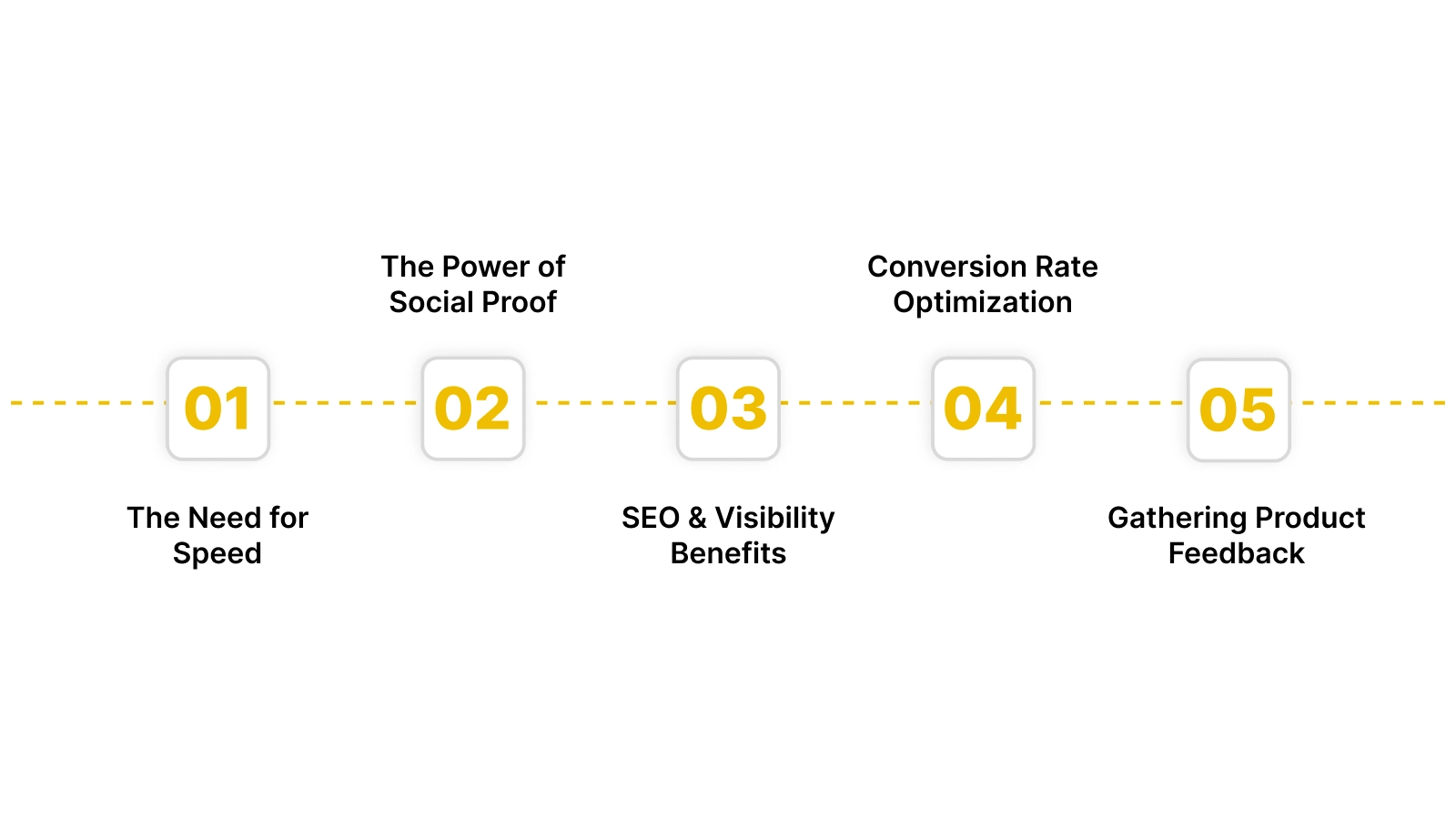
Securing valuable customer reviews quickly is essential, especially for new products or markets. Incentivizing reviews boosts this process, driving trust and visibility. Here’s why brands provide incentives for reviews:
1. The Need for Speed
In e-commerce, especially when launching a new product or entering a new market, speed matters. Building social proof with reviews can take time. Incentivizing reviews helps you boost this process by encouraging customers to share their opinions more quickly, especially in the early stages of product launches.
2. The Power of Social Proof
Positive reviews act as social proof; the digital equivalent of a word-of-mouth referral. When customers see that others are satisfied with your product, they are more likely to trust your brand and make a purchase. Reviews offer an authentic form of validation, and the more reviews you have, the stronger the trust in your brand.
3. SEO & Visibility Benefits
More reviews not only build credibility but also enhance your product’s SEO. Search engines value fresh, relevant content, and having consistent reviews can improve your rankings. When your product has numerous reviews, it increases the likelihood of appearing on the first page of search results, driving more organic traffic to your site.
4. Conversion Rate Optimization
Customer reviews directly influence conversion rates. Higher product ratings correlate with higher conversion rates. Customers are more likely to buy from a product page that has a robust collection of positive reviews.
5. Gathering Product Feedback
Reviews are not just about boosting credibility; they also serve as valuable feedback for improving your products. Whether positive or negative, customer insights can guide your business decisions, helping you address issues early on or make product enhancements.
While incentivized reviews can significantly boost your brand’s credibility and engagement, they also come with potential risks. Let’s explore the challenges that come with implementing such programs effectively.
Risks & Challenges of Review Incentive Programs
Incentivizing reviews can drive growth, but it comes with significant risks. From authenticity concerns to legal pitfalls, understanding these challenges is important before implementing a review incentive program.
1. Erosion of Authenticity
One of the biggest concerns with incentivized reviews is the erosion of authenticity. Customers may question the legitimacy of incentivized reviews, impacting their trust in the feedback. This is especially true if the incentives seem disproportionate or the rewards are only for positive reviews.
2. Legal & Regulatory Issues
There are legal and regulatory concerns surrounding incentivized reviews. In the U.S., the Federal Trade Commission (FTC) requires that incentives for reviews be clearly disclosed. Failing to comply can result in penalties and fines.
3. Platform Policy Violations
Each platform (e.g., Amazon, Google) has its own rules about incentivized reviews. Violating these rules can result in the removal of reviews or, in severe cases, suspension of accounts.
4. Compromised Review Quality
Offering excessive incentives may lead to generic or non-valuable reviews. Customers might rush through leaving a review just to get the reward, which dilutes the quality of feedback.
5. Skewed Ratings
Incentivized reviews may lead to biased ratings, particularly if rewards are heavily tied to positive feedback. This skews the review system.
6. Brand Reputation Risks
If not carefully managed, incentivized reviews can cause damage to brand reputation. For example, if consumers feel like reviews are "bought" or manipulated, it can cause a backlash.
7. Creating a Dependency
An over-reliance on incentivizing reviews can create unsustainable customer expectations. If your customers expect rewards every time they leave feedback, it can be difficult to wean them off the incentive-based model.
Although the potential rewards of incentivized reviews are clear, the risks to trust, compliance, and reputation cannot be ignored. Next, we’ll explore how to create an effective review incentive program.
How to Build a Review Incentive Program: A Step-by-Step Framework
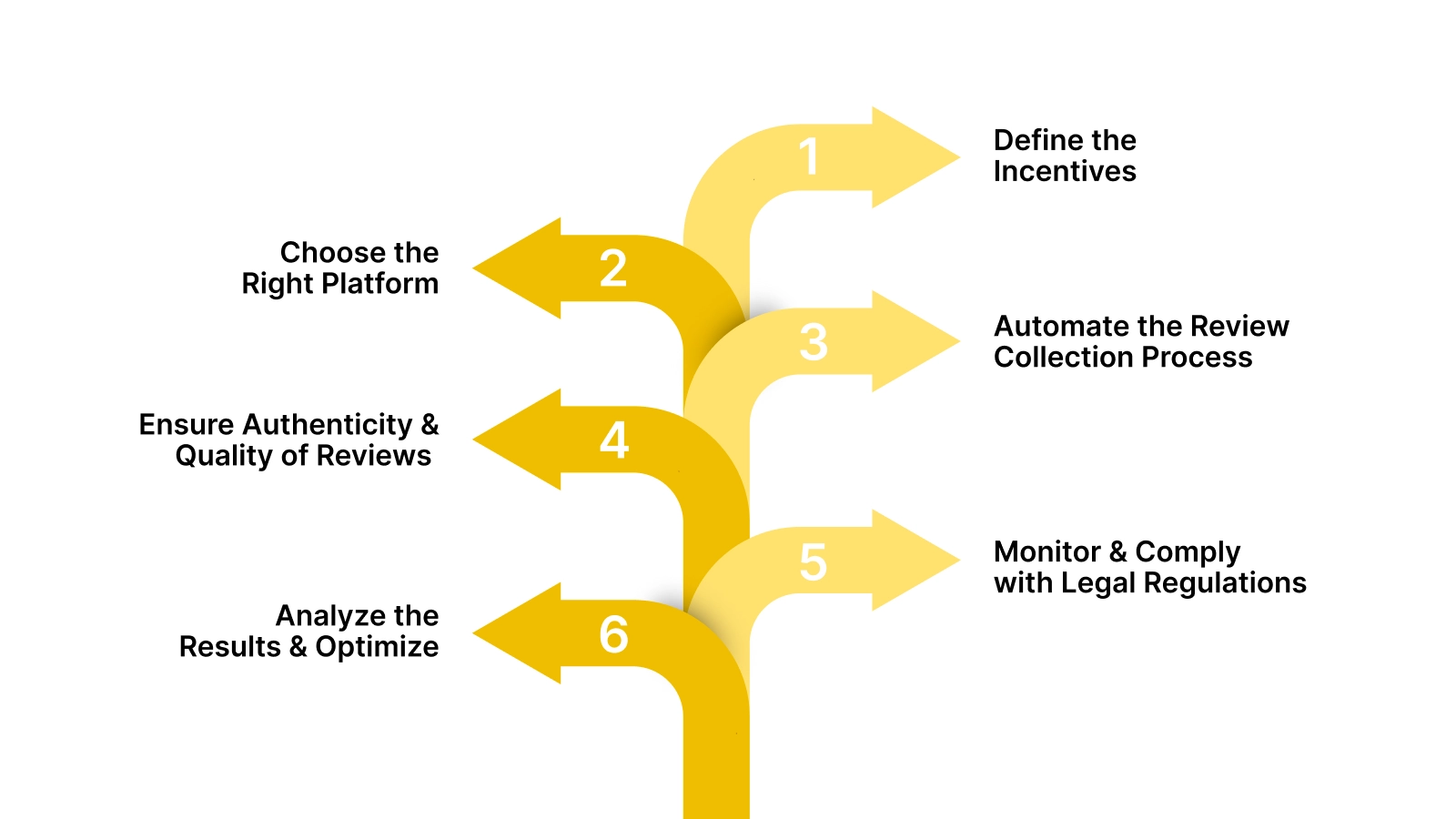
Creating an effective review incentive program helps build social proof and gain valuable feedback. By following these steps, you can ensure that your program is both efficient and ethical, helping you boost trust and conversions.
Step 1: Define the Incentives
To start, identify the type of reward you’ll offer customers in exchange for leaving reviews. The right incentives motivate customers without overwhelming them or causing dependency. Choose rewards that align with your brand and your customers’ interests.
How to Do It:
- Keep incentives simple: Loyalty points, small discounts, or exclusive content work best.
- Ensure transparency: Always disclose that the review was incentivized to maintain trust.
- Avoid overvaluing rewards: High-value gifts or cash rewards can make reviews feel less authentic.
Also Read: Understanding Cashback Programs: A Complete Guide
Step 2: Choose the Right Platform
Select the review platforms where you want to collect feedback. Ensure the platform aligns with your brand’s goals, and be aware of each platform’s rules regarding incentivized reviews to avoid violations.
How to Do It:
- Follow platform guidelines: Review platforms like Google and Amazon have strict rules about incentivizing reviews.
- Pick high-impact platforms: Choose platforms where your target audience is most likely to engage (e.g., Google Reviews for local businesses, Amazon for product-based stores).
- Comply with regulations: For instance, the FTC in the U.S. requires that you clearly disclose any incentives.
Step 3: Automate the Review Collection Process
Automating the review request process saves time and ensures consistency. Set up systems to send review requests automatically after purchase, so customers receive timely reminders while their experience is still fresh.
How to Do It:
- Use review automation tools: Platforms like Nector can automate post-purchase review requests, ensuring that no customer is missed and reminders are sent at the optimal time.
- Set timely reminders: Automate follow-up emails or SMS a few days after delivery to prompt reviews.
- Integrate with your CRM: Sync review requests with your customer management tools to ensure smooth workflows.

Step 4: Ensure Authenticity and Quality of Reviews
While incentivized reviews can be helpful, it’s essential to ensure the authenticity and quality of the feedback. Over-incentivizing can lead to generic reviews that don't provide meaningful insights.
How to Do It:
- Don’t tie rewards to positive reviews only: Customers should feel free to leave honest feedback.
- Moderate and verify reviews: Regularly audit submitted reviews to confirm their legitimacy.
- Encourage detailed reviews: Request customers to provide thorough feedback, not just a star rating.
Step 5: Monitor and Comply with Legal Regulations
Incentivized reviews come with legal considerations. Make sure you comply with all applicable regulations to avoid penalties and maintain a positive brand image.
How to Do It:
- Disclose all incentives clearly: Always inform customers that the review was incentivized, ideally in the review itself or the request email.
- Stay updated on FTC and platform rules: Regularly check for updates in guidelines from review platforms and legal bodies to avoid non-compliance.
- Implement ethical review processes: Do not incentivize the removal or alteration of negative reviews, as this can lead to trust issues.
Step 6: Analyze the Results and Optimize
Once your review incentive program is live, track its performance. Analyze the volume, quality, and impact of the reviews on sales and customer engagement. Use this data to optimize the program over time.
How to Do It:
- Track review metrics: Monitor how the incentive program impacts review volume, star ratings, and customer retention.
- Measure impact on conversions: See if more reviews correlate with higher sales or conversions.
- Optimize based on feedback: Adjust your incentives and processes based on what works and what doesn’t.
By following these steps, you’re well on your way to creating a successful review incentive program. To help keep track of your progress and ensure every step is covered, refer to the checklist below.
Review Incentive Program Checklist
Creating an effective review incentive program requires careful planning and execution. Use this checklist to ensure you’re hitting all the right steps while maintaining ethical practices:
While incentivized reviews can drive valuable feedback, it’s important to explore other methods of generating reviews without relying on rewards. Let’s dive into some effective alternatives that can build customer trust naturally.
Alternatives to Direct Incentives: Building Reviews Without Rewards
Sometimes, incentivizing reviews may not be the best strategy. Fortunately, several alternatives can help you build reviews without offering direct rewards.
1. Deliver Exceptional Customer Experiences
The best way to receive reviews is by delivering exceptional products and service. When customers are happy with their purchase and overall experience, they will naturally be more likely to leave positive feedback.
2. Optimize Review Request Process
Make it easy for customers to leave reviews. Send follow-up emails with clear, simple instructions, making the process as painless as possible. The simpler the review process, the more likely customers will follow through.
3. Use Loyalty Programs
Integrate your review requests with loyalty programs. Offering customers loyalty points for leaving reviews adds value while creating a long-term relationship.
4. Run Ethical Contests & Giveaways
Contests or giveaways can be a great way to boost reviews, but be sure to fully comply with legal regulations. Always disclose the rules clearly and avoid offering rewards for only positive reviews.
5. Simply Ask!
Don’t underestimate the power of a simple request. Asking customers for reviews consistently can result in a significant increase in feedback. Many customers appreciate being asked and will happily provide their opinions.
6. Showcase Your Existing Reviews
Prominently display reviews on product pages and other marketing materials. When customers see that others have left feedback, they’re more likely to do the same.
7. Engage with Existing Reviews
Respond to both positive and negative reviews. Engage with customers in a meaningful way, showing that you value their opinions. This encourages future customers to leave their own feedback.
While these alternatives can help you build reviews organically, measuring the overall impact of your review program is equally important. Let’s explore the key metrics you should track to evaluate the success of your review strategy.
Measuring the Success of Your Review Incentive Program
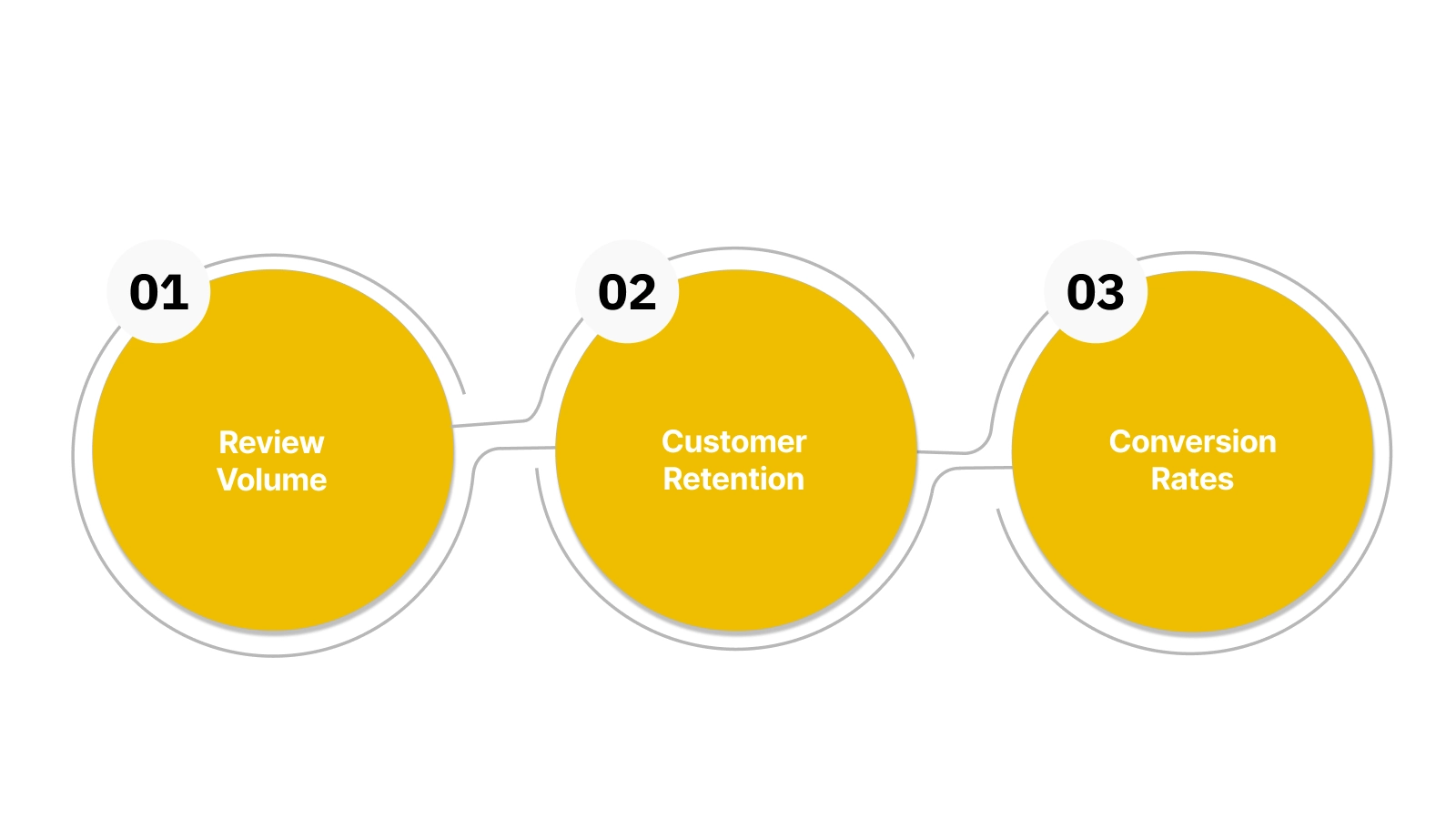
Measuring the success of your review incentive program involves tracking key metrics like customer retention, conversion rates, and engagement to ensure your incentives are truly driving growth.
1. Review Volume
Increasing review volume indicates the success of your incentive program. More reviews show higher engagement and a growing customer base. Track the number of reviews per product to ensure your incentive strategy is working effectively.
2. Customer Retention
Reviewing customer retention is key to understanding your program’s long-term impact. If repeat customers are more likely to leave reviews, it shows that your incentives are driving loyalty and deepening customer engagement over time.
3. Conversion Rates
Higher review volume can positively affect conversions. Track changes in sales or product purchases alongside review growth to determine if positive feedback directly influences customer purchasing behavior and helps you drive more conversions.
By tracking these KPIs, you can measure the true impact of your review incentive program. Now, let’s see how Nector can help you build and support your review incentive program.
How Nector Helps You Build an Effective Review Incentive Program?
At Nector, we believe customer reviews are essential for building trust and driving sustainable growth. Our platform encourages businesses to create tailored review incentive programs that not only increase the volume of reviews but also enhance the quality and authenticity of feedback, all while maintaining compliance and brand integrity.
Here’s how the Nector review incentive program helps:
- Automate Review Requests: Automatically send personalized review reminders after each purchase, ensuring timely feedback without manual effort.
- Customizable Rewards: Offer meaningful incentives such as loyalty points, discounts, or exclusive access, designed to resonate with your customers and strengthen their connection with your brand.
- Ethical and Compliant: Easily manage transparency and stay compliant with platform guidelines, ensuring your program is both effective and trustworthy.
- Visual and Authentic Reviews: Encourage customers to upload photos and videos, giving your reviews a real-world feel that drives credibility and influences purchasing decisions.
With Nector, you can build a review incentive program that goes beyond simple rewards. It strengthens relationships, increases customer engagement, and helps you create long-lasting brand loyalty.
Also Read: Maximizing Growth with CLV: A Strategic Loyalty Approach
Final Thoughts
Building an effective review incentive program requires a strategic balance between motivating customer feedback and maintaining authenticity. By following the mentioned steps, such as transparency, selecting appropriate incentives, and adhering to platform policies, you can boost trust and conversion rates while gaining valuable insights into your products and services.
Nector simplifies the process by offering automated review requests, customizable rewards, and seamless integrations. Our platform helps you incentivize reviews ethically, ensuring compliance while driving customer engagement and loyalty.
Start transforming your review strategy today. Book a demo with Nector and see how our tools can help you drive more authentic reviews, build customer trust, and grow your business.
Frequently asked questions
Is a Review Incentive Program Right for You?
A review incentive program is ideal if you want to boost review volume quickly and enhance social proof. However, it’s important to balance incentives with authenticity and ensure compliance with platform policies to avoid credibility issues.
Can You Incentivize Google Reviews?
Google’s guidelines prohibit offering incentives for Google Reviews. Violating this rule can result in review removal or account suspension. Focus on organic engagement and encourage honest feedback without offering rewards, ensuring compliance with Google’s policies.
How to Promote Your Chosen Incentive?
Promote your review incentive through email campaigns, post-purchase reminders, and your website. Use clear messaging that outlines the incentive’s value, making it easy for customers to understand how they can participate and what they will gain in return.
What is the Proper Way to Request Reviews from Customers?
Request reviews politely and consistently after a purchase, ideally via automated emails or SMS. Keep the process simple, highlighting how their feedback benefits your brand and other customers. Ensure transparency about incentives and maintain a personal tone.



.webp)