

.avif)
.avif)
Acquiring new customers is a common focus for many e-commerce businesses, but it comes at a high cost. Studies show that it can cost 5 to 25 times more to acquire a new customer than to retain an existing one. Yet, most brands overlook the real value of loyal customers.
Building customer loyalty not only helps reduce costs but also drives consistent sales. It increases repeat purchases and creates brand advocates who spread the word for you.
However, loyalty doesn’t just happen. Instead, it’s earned through trust, personalized experiences, and meaningful engagement. In this blog, we’ll explore why customer loyalty is so important to your e-commerce success and how it can lead to long-term, sustainable growth.
Overview
- Customer loyalty ensures predictable revenue, reducing the reliance on fluctuating customer acquisition costs and offering stable, recurring sales from repeat buyers.
- Loyal customers act as brand advocates, driving organic growth by recommending your brand to others, which lowers customer acquisition costs.
- Focusing on retention reduces marketing spend, as loyal customers tend to buy more and respond better to personalized offers, improving profit margins.
- Emotional loyalty creates stronger bonds, making it harder for competitors to lure customers away, even with lower prices.
- Automated loyalty programs using data insights improve customer engagement while cutting operational costs, driving long-term growth and better retention.
What is Customer Loyalty?
Customer loyalty refers to the emotional and practical connection a customer has with a brand. It goes beyond simply purchasing from you repeatedly. They start to trust your brand, are fully satisfied, and become your advocates. Loyal customers are more likely to return, recommend your brand to others, and forgive occasional missteps.
Customer loyalty is built through consistent, positive experiences. Loyalty is earned, and it’s a long-term investment for e-commerce businesses. It’s a sign that your customers are not only satisfied with your product or service but that they feel a deep connection to your brand.
The Strategic Importance of Customer Loyalty
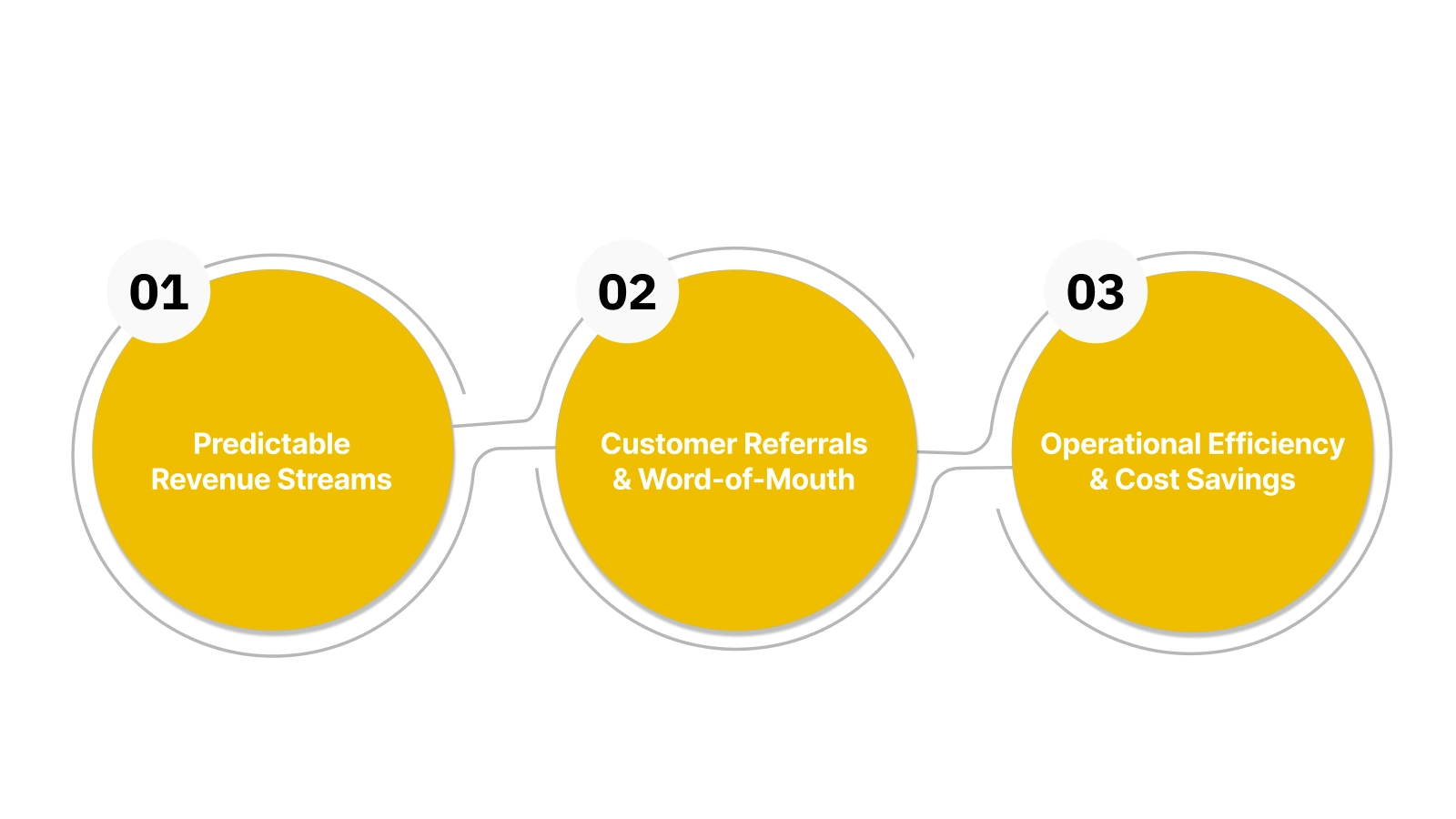
Loyalty is an essential factor for sustainable growth. By nurturing loyalty, you are creating a stable, predictable revenue stream that helps your business thrive. Here are a few ways in which customer loyalty impacts your e-commerce business:
1. Predictable Revenue Streams
One of the most powerful aspects of customer loyalty is its ability to create predictable revenue streams. Loyal customers are repeat buyers, which means you can count on steady sales. By retaining existing customers, your business can forecast revenue more reliably and avoid the unpredictability that comes with constantly acquiring new customers.
When customers return to your store multiple times, their behavior shifts from “one-off shopper” to “loyal supporter.” They bring consistency and stability, ensuring your business doesn’t solely rely on marketing campaigns or seasonal trends.
2. Brand Advocates and Word-of-Mouth Marketing
Loyal customers act as brand ambassadors. Word-of-mouth marketing is one of the most effective forms of advertising, and loyal customers entirely drive it. When your customers recommend your brand to others, it not only drives new business but also builds trust faster than any ad could.
Think of it this way: A customer who feels connected to your brand will happily share their positive experiences with friends, family, and on social media. This organic spread of positive sentiment is often the best kind of promotion, as it’s based on authentic experiences rather than paid endorsements.
3. Operational Efficiency and Cost Savings
Loyalty programs and repeat purchases directly impact cost-efficiency. Acquiring new customers is more expensive than retaining existing ones, especially when you factor in ad spend, discounts, and marketing. By investing in customer loyalty, you save on marketing costs, freeing up resources for more strategic growth initiatives.
Moreover, loyal customers help your e-commerce operation run more smoothly. With fewer churn rates and higher retention, you won’t need to spend excessive amounts on customer acquisition campaigns to maintain consistent sales.
Having customer loyalty for your brand not only ensures steady sales but also boosts brand advocacy and operational efficiency. Now, let’s explore the key benefits loyalty brings, from financial growth to stronger marketing outcomes.
Also Read: How Smart Brands Are Redefining Loyalty to Drive Retention (2026 edition)

Key Benefits of Customer Loyalty
Customer loyalty goes beyond repeat purchases; it fuels consistent revenue, reduces marketing spend, and creates emotional connections with your brand. Let’s look into these benefits now:
1. Financial Benefits
Customer loyalty has a direct impact on the bottom line. Loyal customers tend to buy more frequently and spend more per purchase. In fact, increasing the time a customer stays with your company by just 5% can boost profits by 25% to 95%.
This means businesses can rely on loyal customers for consistent, predictable revenue. Segmenting these loyal customers based on purchasing behavior can further optimize your revenue strategy, driving long-term growth with a stable customer base.
2. Marketing Benefits
Loyal customers reduce marketing costs by generating word-of-mouth referrals. Since these customers are already invested in your brand, they’re more likely to share their positive experiences with others, leading to organic customer acquisition. With lower customer acquisition costs (CAC), businesses can reinvest savings into enhancing product offerings or expanding their customer base further.
Additionally, loyal customers tend to engage more with personalized offers, which leads to better conversion rates for any marketing campaigns you run. They are also more likely to respond to exclusive deals, making your marketing initiatives far more effective.
3. Emotional and Social Impact
The emotional side of loyalty goes beyond simple purchases; it’s about forming a connection with your customers. When customers feel that a brand aligns with their values, they are more likely to become repeat buyers. Emotional loyalty makes it harder for competitors to sway your customers, as they’re not just buying products; they’re buying a relationship with your brand.
Loyalty also enhances brand reputation. A strong emotional bond with your customers can lead to positive reviews, social media shares, and other forms of organic brand advocacy. This, in turn, builds brand credibility and trust.
With loyal customers, you build a community of advocates and improve your brand credibility, turning occasional buyers into long-term, committed supporters.
How Customer Loyalty Drives Long-Term Business Growth?
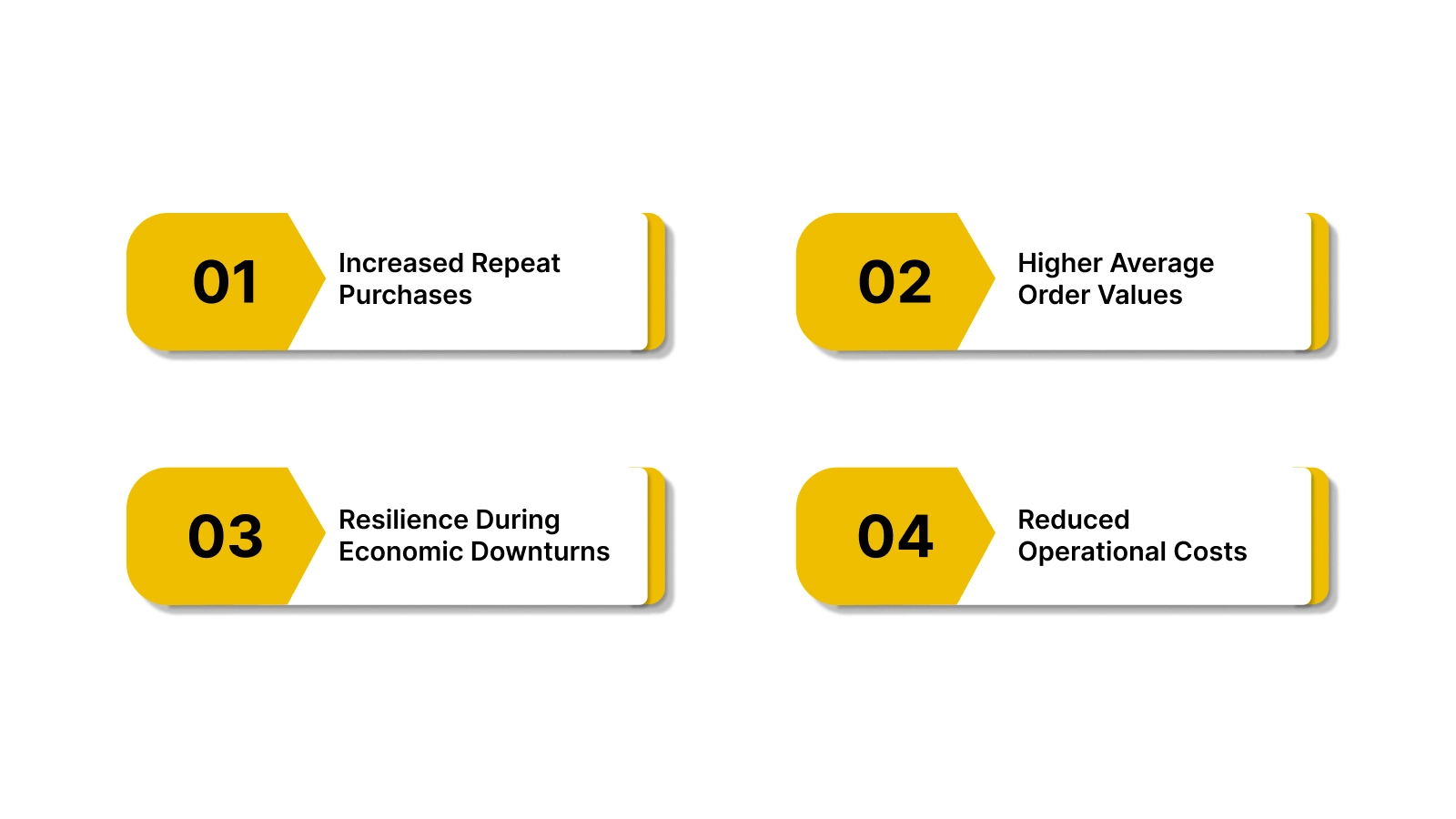
Building loyalty isn’t just a tactic for immediate success. It’s a long-term strategy that impacts every aspect of your business growth. Here's how:
1. Increased Repeat Purchases
Loyal customers tend to make repeat purchases at higher frequencies than new customers. As their connection with your brand deepens, they become accustomed to the quality and experience your brand provides. This consistency leads to more predictable income and reduces the volatility of sales.
2. Higher Average Order Values
Loyal customers don’t just buy more often; they also tend to spend more. When you nurture loyalty, your customers are more willing to increase their average order values by buying higher-ticket items, adding more to their cart, or opting for upsells and cross-sells. This increases your business’s overall profitability without the need for costly acquisition campaigns.
3. Resilience During Economic Downturns
Loyal customers are more likely to stick with your brand during tough times. While new customers might pull back during economic downturns, loyal customers tend to continue supporting your business because they trust your brand. This resilience ensures your business can weather financial challenges without experiencing steep drops in revenue.
4. Reduced Operational Costs
Having a strong base of loyal customers also means fewer resources are needed for customer support and marketing. Loyal customers are familiar with your brand and products, so they need less assistance and are more likely to engage in self-service. They are also more likely to resolve issues with minimal intervention, reducing your operational costs.
By increasing repeat purchases, boosting order values, and ensuring resilience during tough times, customer loyalty becomes a cornerstone for sustained growth. Now, let's check out some of the effective strategies that will help you build this fruitful loyalty.
Effective Strategies to Craft and Maintain Customer Loyalty
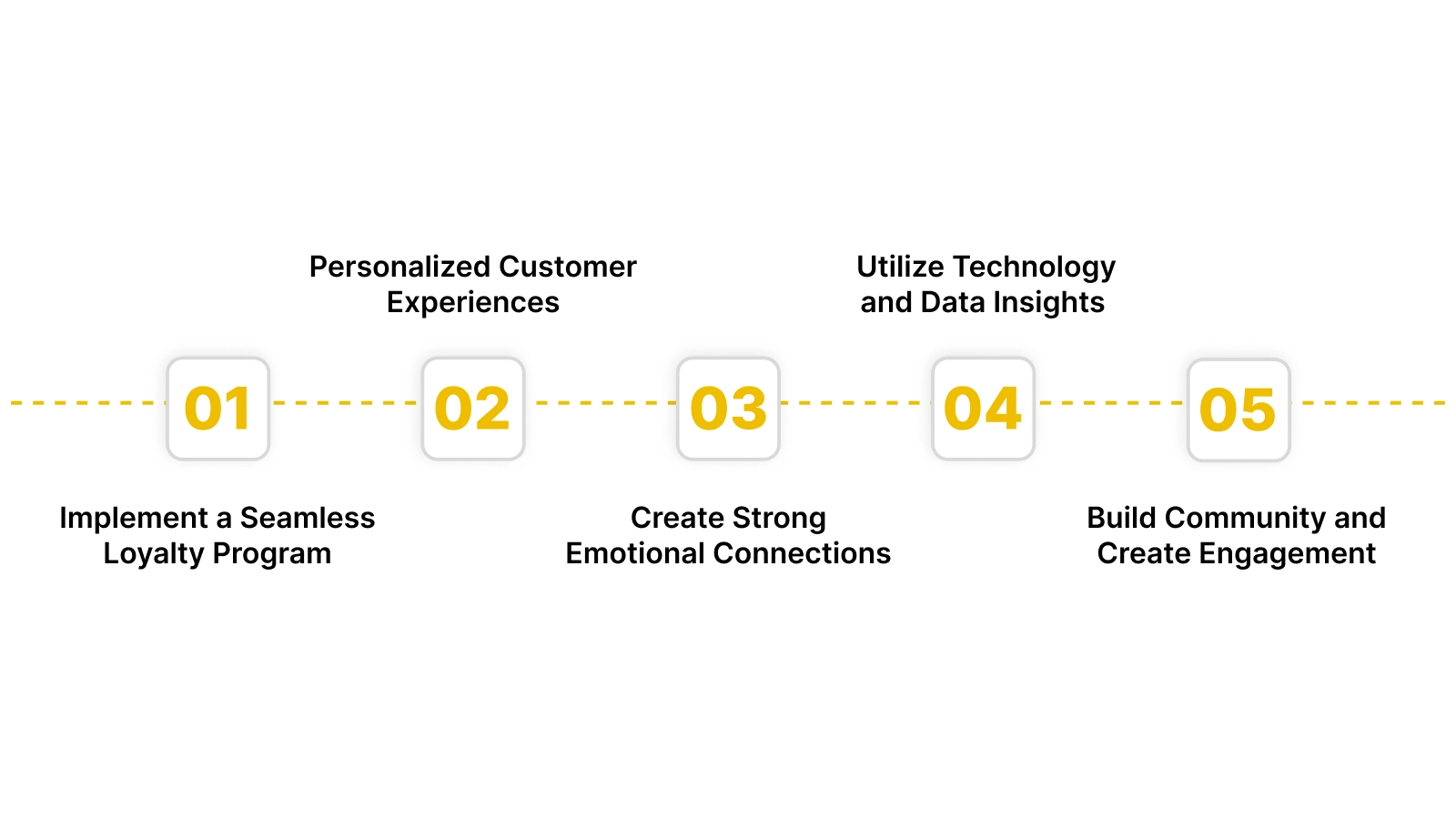
Building customer loyalty is not a one-time campaign. Here are some effective strategies for maintaining and enhancing loyalty:
1. Implement a Seamless Loyalty Program
A well-structured loyalty program, like the one from Nector, is one of the most effective ways to encourage repeat purchases. Reward customers for their loyalty with discounts, special offers, or points that can be redeemed for rewards. By making the process easy and attractive, you ensure customers feel valued every time they make a purchase.
2. Personalized Customer Experiences
Customers crave personalized experiences, and the best way to show them you care is by tailoring their journey. Use data to understand their preferences and offer rewards, products, and content that resonates with them. The more personalized the experience, the stronger the loyalty.
3. Create Strong Emotional Connections
Brand loyalty is built on emotional connections. Engage your customers with stories, values, and experiences that resonate with their own. Whether it’s through excellent customer service, community engagement, or your brand’s mission, make your customers feel connected and understood.
4. Utilize Technology and Data Insights
E-commerce businesses have access to invaluable data that can be used to personalize and optimize loyalty efforts. Use customer behavior data to predict needs, personalize offers, and track loyalty program performance. This technology can also help identify areas of improvement, ensuring your loyalty programs stay relevant and effective.
5. Build Community and Create Engagement
Customers who feel like they belong to a community are more likely to stay loyal. Encourage engagement through online forums, social media, and exclusive events. By making customers feel like part of something bigger, you create stronger emotional ties that keep them coming back.
By implementing these strategies, you're not just creating a transactional relationship; you're cultivating long-term, meaningful connections that drive loyalty. Now, let’s look at real-world examples of customer loyalty in action.
Also Read: 10 Best Customer Loyalty Software Platforms in 2026
Real-World Examples of Customer Loyalty in Action
Customer loyalty programs have become essential for e-commerce success. By offering more than just transactional benefits, brands can deepen connections and drive long-term revenue. Let’s explore some top examples that have set the standard for customer engagement and repeat business.
1. Amazon Prime
Amazon Prime is a prime example of a loyalty program that extends beyond basic rewards. With benefits like free shipping, early sale access, and streaming content, Prime members are encouraged to buy more often. For e-commerce stores, offering exclusive memberships with perks like this can drive brand loyalty and boost CLV, enhancing the overall customer experience.
2. Sephora’s Beauty Insider
Sephora’s Beauty Insider program segments customers into tiers, offering rewards that increase with spending. From free birthday gifts to exclusive events, the program keeps customers engaged. For e-commerce, a tiered loyalty system can encourage customers to spend more by offering personalized rewards that drive repeat business.
3. Starbucks Rewards
Starbucks has created a robust loyalty program around its mobile app and points-based rewards system. Customers earn “Stars” for every purchase, which they can redeem for drinks and rewards. This approach encourages customers to visit more and make repeat purchases. For e-commerce businesses, a user-friendly loyalty program like Starbucks’ can greatly increase retention and repeat sales.
These strong examples show how loyalty programs go beyond just rewards to create a meaningful brand experience. Let’s further check what role customer loyalty plays in business sustainability:
The Role of Customer Loyalty in Business Sustainability
Customer loyalty is key to ensuring your business stays ahead. By focusing on loyalty, you’re investing in long-term success, creating sustainable growth, and reducing operational risks. In the following section, we will see how customer loyalty can drive both your competitive advantage and business efficiency.
1. Customer Loyalty as a Competitive Advantage
Loyal customers usually switch less to competitors, even when similar products are offered at a lower price. They provide your brand with a unique competitive edge by becoming brand advocates, reducing the impact of market fluctuations, and ensuring steady growth. This long-term relationship drives stability and higher profit margins.
2. Customer Retention vs. Acquisition
Retaining customers is indeed more cost-effective than acquiring new ones. Loyal customers buy more frequently and engage deeper with your brand, leading to higher returns. Their organic referrals further reduce acquisition costs, creating a sustainable growth cycle. Thus, focus on retention to build a loyal base for consistent revenue generation.
Customer loyalty provides both stability and predictable growth. By shifting focus from constant customer acquisition to retention, businesses can ensure long-term success. Now, let's explore how Nector can help you in building strong customer loyalty.
Also Read: How to Increase Repeat Customer Visits Using Loyalty Platforms
How Nector Can Help Strengthen Customer Loyalty?
Nector offers one of the best loyalty solutions for e-commerce businesses looking to build genuine customer relationships and drive long-term growth. Unlike generic programs, Nector focuses on simplicity and personalization, providing you with the tools to engage customers meaningfully while reducing the complexities of managing a loyalty program.
Nector helps your brand with:
- Seamless Shopify Integration: Easily integrate loyalty programs into your e-commerce platform.
- Personalized Reward Systems: Offer rewards tailored to your customers’ preferences and actions.
- Data-Driven Insights: Gain actionable insights to fine-tune loyalty efforts and improve customer experience.
- Automated Loyalty Management: Simplify loyalty tracking and reward distribution, saving time and resources.
With Nector, your brand can provide consistent value and build a genuine emotional connection with your customers, driving loyalty and sustained growth.
Conclusion
In an e-commerce world filled with endless choices, customer loyalty is the key to differentiation. It goes beyond just providing quality products. You have to create meaningful relationships, earn trust, and offer memorable experiences. By nurturing loyalty, your business will not only see repeat sales but also benefit from lower marketing costs and increased brand advocacy, paving the way for long-term growth.
Nector is here to help you build that lasting connection. Our platform provides businesses with easy-to-use tools to create personalized loyalty programs, automate processes, and gain valuable insights to refine strategies. Whether you're a small startup or an established brand, Nector's features ensure your customers remain engaged, loyal, and invested in your success.
Additionally, now is the perfect time to take action. Start building a loyal customer base today with Nector and watch your e-commerce business grow sustainably. Book a demo with us now!
Frequently asked questions
Why is the loyalty of these customers so important?
Customer loyalty leads to consistent sales, lower acquisition costs, and greater brand advocacy. Loyal customers spend more and return more often, creating a steady stream of revenue and reducing the reliance on constant new customer acquisition.
What is the value of customer loyalty?
The value of customer loyalty lies in its ability to generate predictable revenue, improve customer retention, and lower marketing expenses. Loyal customers also act as brand ambassadors, increasing your customer base through positive word-of-mouth and organic referrals.
What is the main cause of customer loyalty?
The main cause of customer loyalty is the trust a brand builds with its customers. Consistently delivering on promises, providing excellent customer service, and offering personalized experiences cultivate this trust, leading customers to return and recommend your brand to others.
Does customer loyalty depend on the amount of trust a business has built up with its clients?
Yes, customer loyalty heavily depends on the trust a business has built with its clients. When customers feel confident in a brand’s reliability, service, and quality, they are more likely to stay loyal, make repeat purchases, and engage with the brand.



.webp)