

.avif)
.avif)
Referrals work because people trust recommendations from people they know, but trust also depends on presentation. Nearly 50% of internet users judge a business by its website design, so any break in branding can weaken credibility and hurt conversions.
Many referral tools create this problem by sending customers to third-party pages or adding external branding. For D2C brands and agencies, this disrupts the experience and reduces the impact of referrals.
White-label referral software solves this by keeping the entire flow fully on brand, from the referral link to the reward message.
This guide covers what white-label referral software is, why ecommerce brands use it, and how to choose the right platform.
At a Glance:
- White-label referral software gives brands full control over design, messaging, and rewards, creating a referral flow that looks completely native to the store.
- A fully branded experience increases trust and conversion rates because customers never see external pages, redirects, or third-party logos.
- The best platforms offer flexible reward rules, two-sided incentives, fraud prevention, automated notifications, and easy sharing through WhatsApp, SMS, email, and social channels.
- Accurate attribution and strong analytics are essential for understanding which referrers and channels drive revenue and for scaling referral programs effectively.
- Tools like Nector, White Label Loyalty, Voucherify, and ReferralHero stand out for their customization options, integrations, and ability to support both e-commerce brands and agencies.
- Choosing the right software means matching the tool to your team size, tech stack, and long-term growth needs, not just the feature list.
What Is White-Label Referral Software?
White-label referral software is a referral system that you can brand as your own. Instead of sending customers to a third-party referral page or showing another company’s logo, the entire experience looks like it belongs to your store. This includes the referral page, sharing links, reward messages, and customer notifications.
For e-commerce brands, it means customers stay within a consistent brand environment, which increases trust and improves referral conversions. For agencies, it means managing referral programs for multiple clients without exposing the tool used behind the scenes.
In simple terms, it is referral software that gives you full control over design, messaging, and rewards while staying completely invisible to customers.
Why Brands Prefer White-Labeled Referral Programs
Using white-label referral software gives brands more control, stronger trust, and higher referral conversions. Instead of exposing a third-party tool, the entire referral flow becomes a seamless extension of your store.
- Full Brand Consistency: Customers stay in a familiar environment with your colors, fonts, tone, and layout. This reduces friction and makes the referral flow feel more trustworthy.
- Higher Conversion Rates: Branded referral pages perform better because customers feel confident they are interacting with your store, not an external system.
- No Third-Party Branding: There are no external logos, redirects, or off-brand elements that dilute your identity or confuse customers.
- Better Customer Trust: When customers receive referral links or reward messages that look like yours, authentically, they are more likely to click, share, and complete the action.
- More Flexibility for Agencies: Agencies can manage referral programs across multiple clients while keeping each program fully branded and tailored to the client's style.
- Control Over Reward Logic and Messaging: You decide how customers earn, how they redeem, and what the referral messaging looks like at every step.
- Ability to Scale Referral Campaigns Easily: Because the experience is consistent and automated, it becomes easier to grow referral-driven acquisition without manual intervention.
For small teams and growing D2C brands, this level of control makes referral growth simpler and far more effective.
Also read: Essential Referral Strategies for Business Growth
Key Features to Look for in White-Label Referral Software
A referral program is only as strong as the system behind it. To run a fully branded, high-performing referral experience, your software needs to offer more than basic link sharing.
Below are the features that matter most when choosing a white-label referral platform:
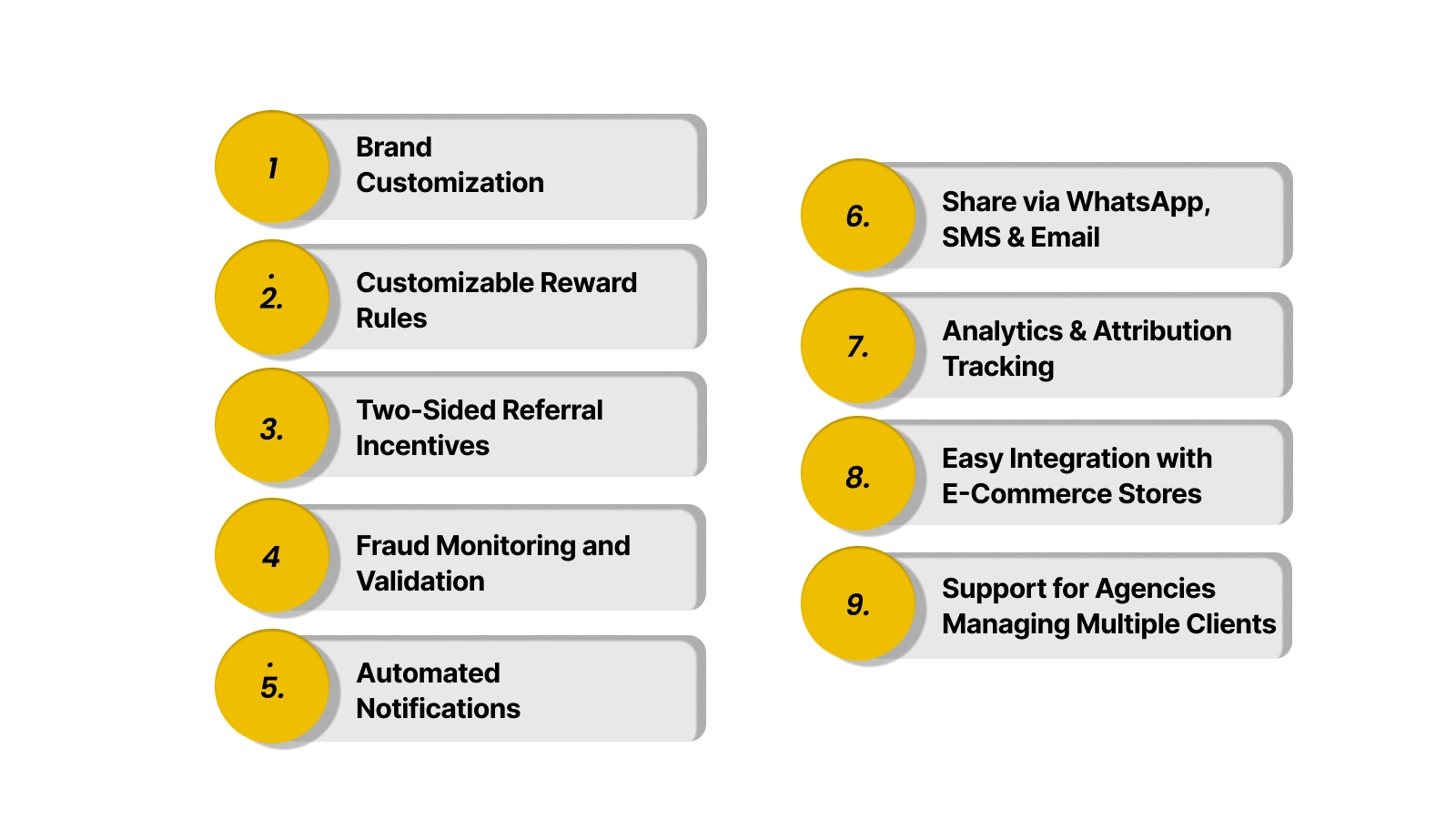
1. Brand Customization
The referral page, sharing links, buttons, and messages should match your brand’s colors, fonts, and tone. Customers should always feel like they are interacting with your store, not an external tool.
2. Customizable Reward Rules
Your platform should let you choose exactly how referrers and referees earn rewards, whether through points, discounts, store credits, or product-specific perks.
3. Two-Sided Referral Incentives
Both the person referring and the friend they invite should receive a benefit. This increases participation and improves referral quality.
Nector’s white-label referral system lets you reward both referrers and referees with coupons, coins, or discounts while keeping the entire journey inside your brand experience.
4. Fraud Monitoring and Validation
The software must detect suspicious activity, prevent self-referrals, and validate genuine referrals so your reward budget stays protected.
5. Automated Notifications
Welcome messages, referral confirmations, and reward alerts should be sent automatically. This keeps customers engaged without requiring manual follow-ups.
6. Multi-Channel Sharing Through WhatsApp, SMS, and Email
Customers should be able to share their referral links through the channels they already use every day, which increases conversion and share rates.
7. Analytics and Attribution Tracking
Accurate tracking is essential. You should be able to see who referred whom, which channels work best, and how much revenue referrals drive.
8. Easy Integration with E-Commerce Stores
The tool should plug directly into platforms like Shopify or WooCommerce, ensuring referrals are tracked correctly at checkout.
9. Support for Agencies Managing Multiple Clients
Agencies need separate workspaces, customizable branding, and client-specific reward rules to manage multiple stores efficiently.
Choosing a platform with these features ensures your referral program stays authentic to your brand and easy for customers to use. The tools below are the strongest options for fully branded experiences.

8 Best White-Label Referral Software for Fully Branded Customer Experiences
Not every referral tool is built for brands that care about consistent design and customer experience. If you want a referral program that feels like part of your store, white-labeling becomes essential.
Here are the top platforms that offer true white-label capabilities and the flexibility your brand needs.
1. Nector
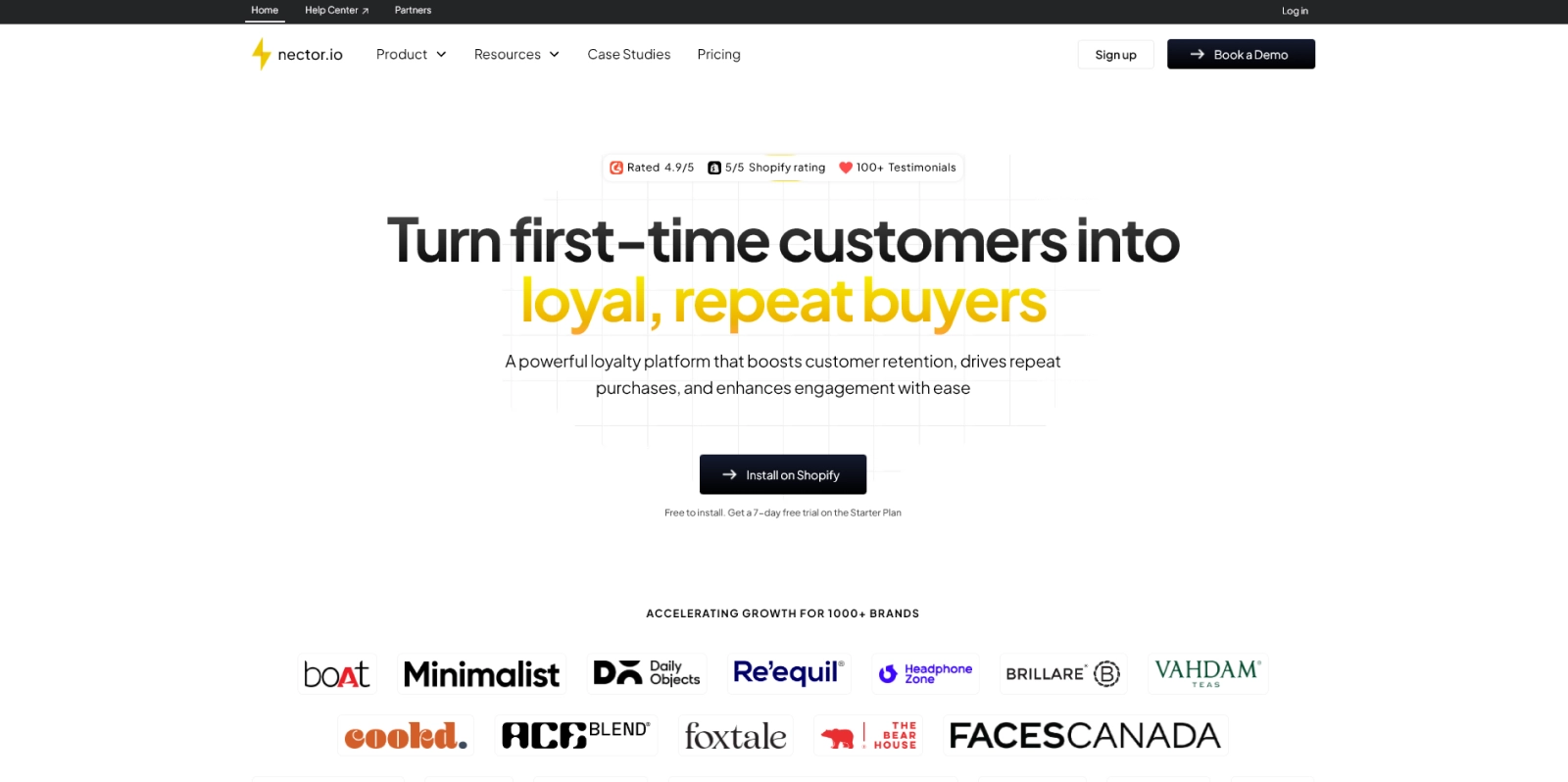
Nector is a fully white-labeled referral and loyalty platform designed for D2C brands, Shopify stores, and agencies managing multiple clients. It helps brands turn satisfied customers into high-intent advocates with two-sided rewards, fraud protection, instant tracking, and complete visual customization. With seamless integration and fast setup, teams can launch fully branded referral programs in under 30 minutes.
Key Features:
- Dual-Sided Referral Rewards: Reward both the referrer and the referee with coins, coupons, discounts, or store credits to increase referral conversions.
- Built-in Fraud Protection: Automatically detects and blocks fake or self-referrals to protect your rewards budget and ensure authenticity.
- Fully White-Labeled Experience: Customize referral pages, messages, widgets, and sharing links to match your brand without exposing third-party branding.
- Easy Integration and Real-Time Tracking: Connect to Shopify or WooCommerce in minutes and monitor referral performance, conversions, and reward redemptions with accurate attribution.
- Multi-Channel Referral Sharing: Allow customers to share referral links instantly via WhatsApp, SMS, email, or social platforms to boost share rates.
Ideal For: D2C brands, founder-led Shopify stores, and agencies that need a customizable, white-labeled referral system that fits seamlessly into their brand experience without heavy setup or engineering work.
2. HelloReferrals
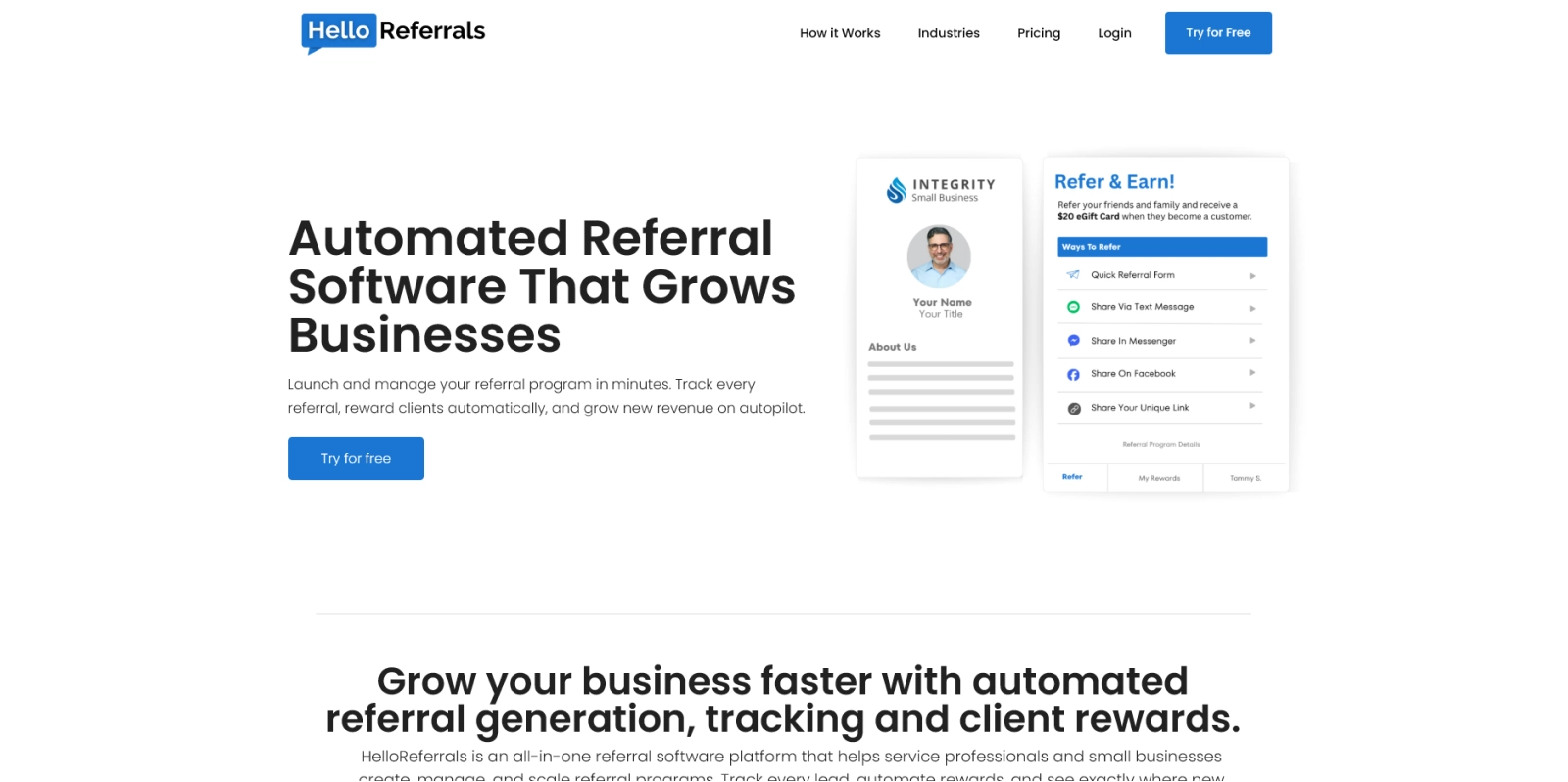
HelloReferrals is a referral marketing tool designed to help small and service-based businesses launch branded referral programs quickly. It offers a simple setup process, automated outreach, and customizable referral pages, making it easy for teams to collect and manage referrals without heavy technical work.
Key Features:
- Quick Setup and Campaign Builder: Create referral pages, rules, and outreach campaigns in minutes using the built-in setup wizard.
- Automated Referral Tracking: Track referrals from submission to conversion and trigger automated reward delivery.
- Custom Branding Options: Personalize referral pages and messages so the experience looks fully on brand.
- Email-Based Referral Outreach: Send automated referral requests and follow-ups to clients or contacts.
- Multi-Channel Sharing: Allow customers to share referral links via email or social platforms to expand reach.
Ideal For: Small and mid-sized businesses, service providers, and agencies that want a simple, automated referral system without advanced e-commerce integrations.
3. Service Provider Pro
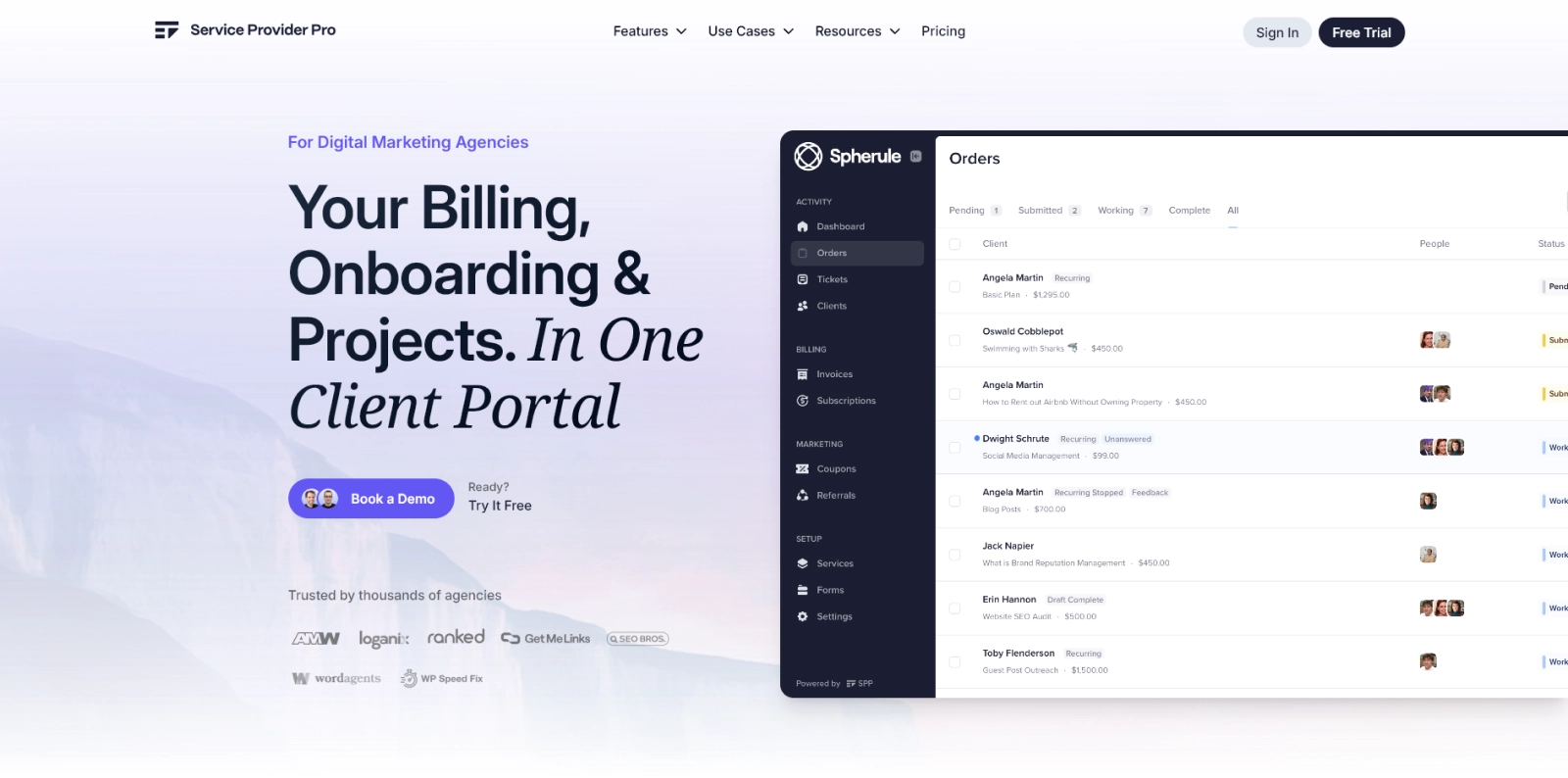
Service Provider Pro is an all-in-one client portal and agency operations platform that includes a built-in referral and affiliate system. It allows agencies to manage clients, payments, projects, and referrals from a single, fully branded workspace.
Key Features:
- Built-In Referral and Affiliate Module: Create referral links, track conversions, and manage partner rewards inside the same portal.
- Flexible Commission and Payout Rules: Set one-time or recurring commissions and handle payouts through account balance or bank transfer.
- White-Label Client Portal: Use a custom domain and branded emails so clients and partners see a fully branded experience.
- Centralized Client and Project Management: Combine billing, order forms, subscriptions, support, and project tracking in one system.
- Automated Referral Tracking: Tag customers, track lifetime value, and attribute referrals without manual follow-up.
Ideal For: Agencies, service providers, and productized service businesses that want a referral system built directly into their client portal and operations workflow.
4. ReferralHero
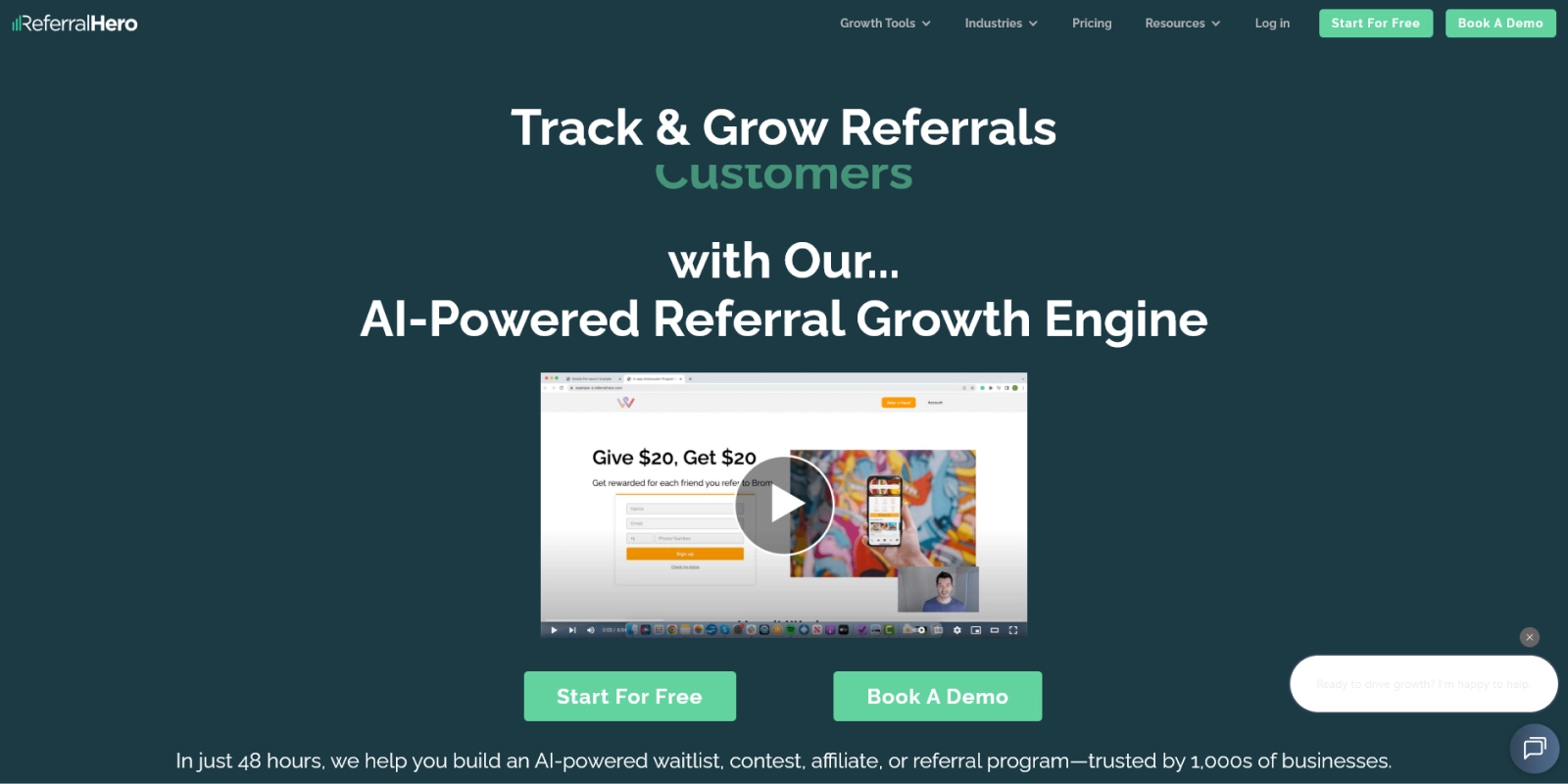
ReferralHero is an AI-powered referral and affiliate platform that helps businesses launch referral campaigns quickly. It supports both refer-a-friend and affiliate workflows and offers a simple setup for startups and online businesses.
Key Features:
- One-Click Referral Signup: Customers receive unique referral links instantly, which increases signup and participation rates.
- Multiple Campaign Types: Run referral programs, affiliate campaigns, viral contests, or waitlists based on your growth goals.
- Social and Multi-Channel Sharing: Participants can share referral links through email, social media, or messaging platforms.
- Automated Tracking and Rewards: The system tracks referrals throughout the journey and automates reward delivery.
- Analytics Dashboard: Monitor referral activity, conversion rates, and channel performance with built-in reports.
Ideal For: Startups, SaaS companies, small online businesses, and service firms that want a simple, no-code referral engine.
5. Open Loyalty
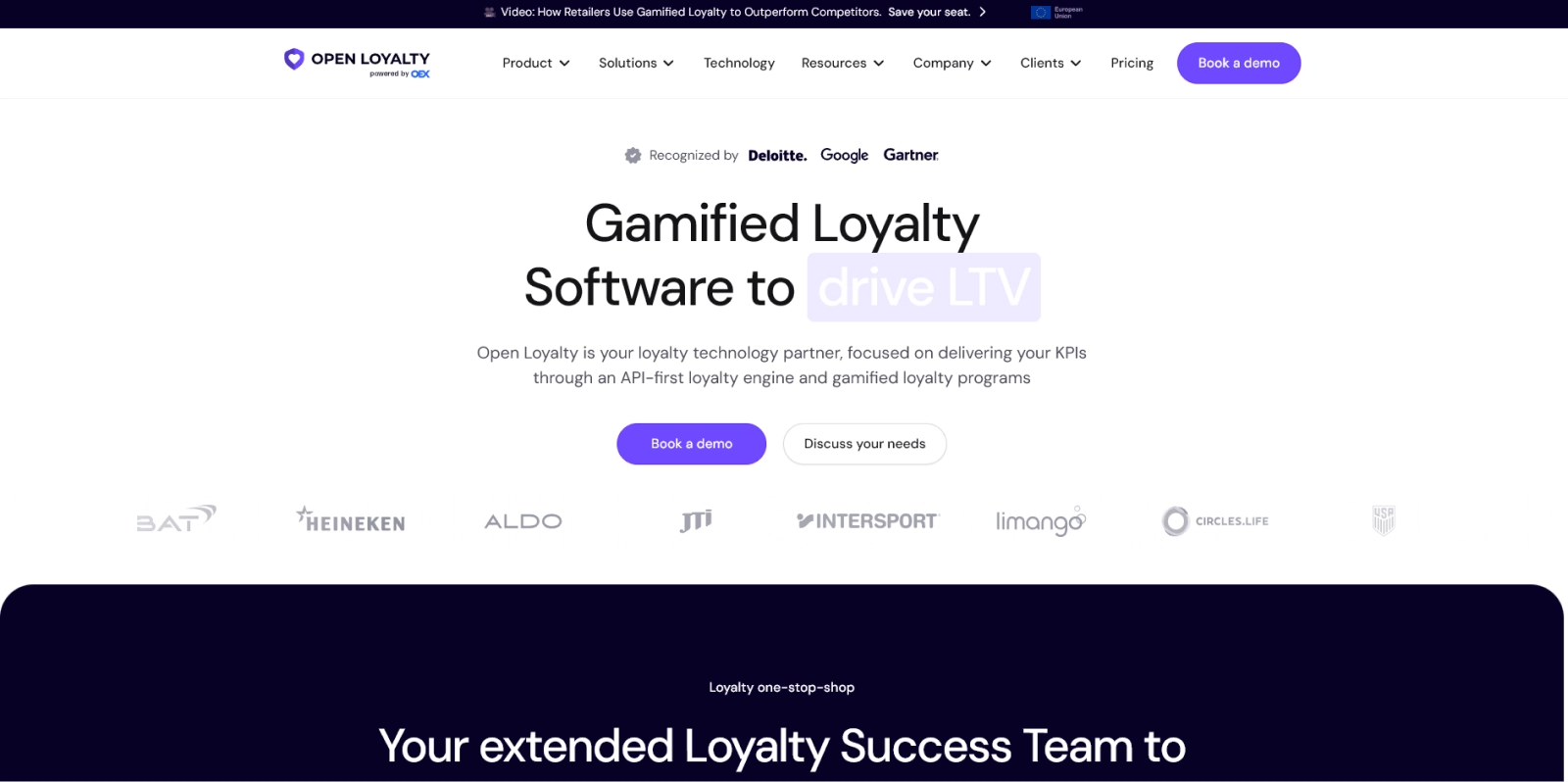
Open Loyalty is an API-first loyalty and referral engine built for enterprises that need advanced customization. It supports referrals, tiered rewards, points, and omnichannel loyalty across web, mobile, and POS systems.
Key Features:
- API-First Architecture: Developers can build fully customized loyalty and referral flows into any application or channel.
- Gamified Referral Features: Use referral milestones, achievements, points, and badges to drive stronger engagement.
- Omnichannel Support: Run a unified referral and loyalty program across online stores, mobile apps, and physical locations.
- Fraud Protection and Validation: Validate referred users through purchases or other triggers to ensure reward accuracy.
- Enterprise-Ready Scale and Security: Supports high-volume loyalty events with strong security and compliance standards.
Ideal For: Mid-size and enterprise brands that need deep flexibility, custom workflows, and omnichannel loyalty across multiple systems.
6. White Label Loyalty
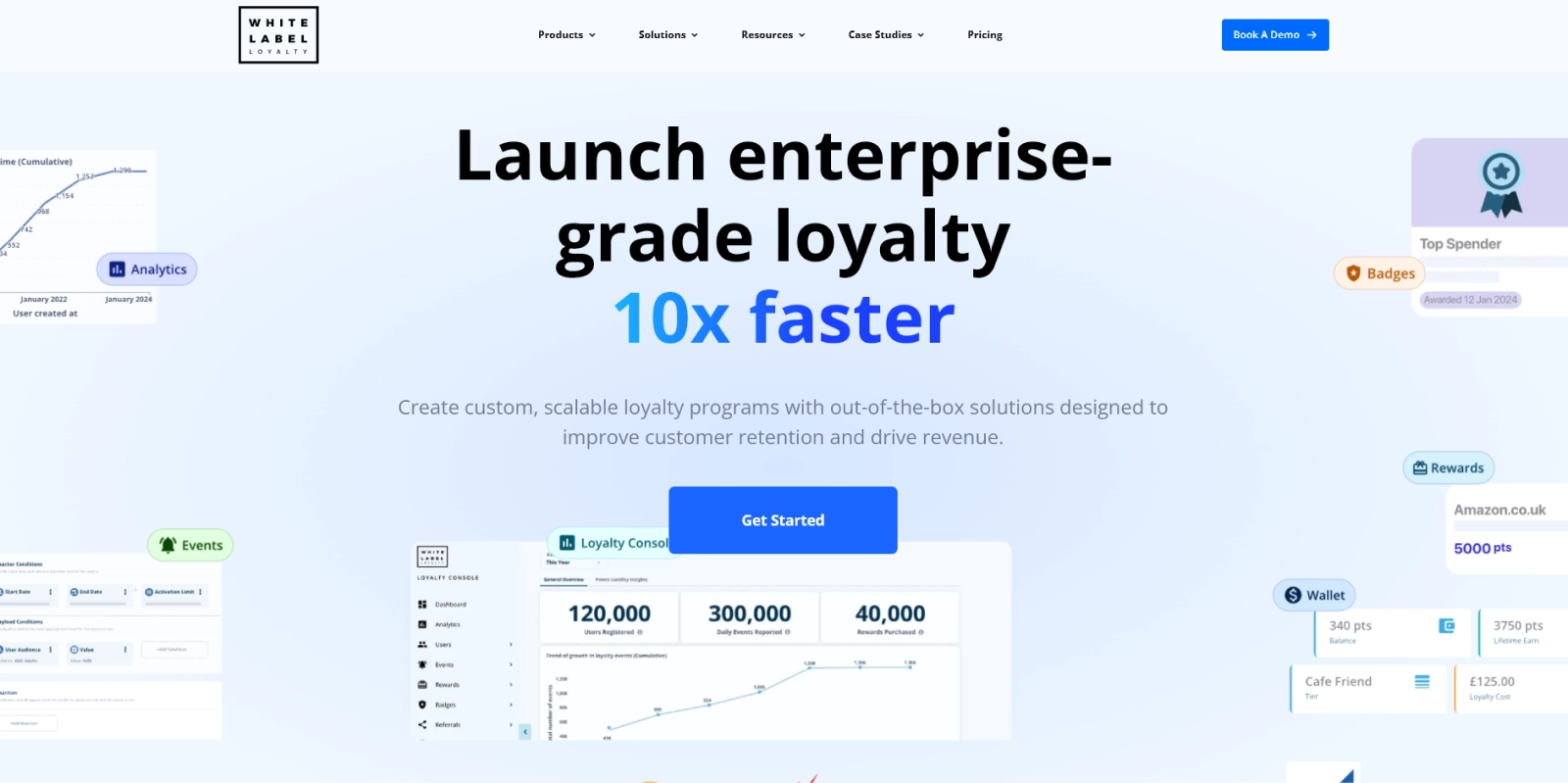
White Label Loyalty is an API-first loyalty and referral platform built for brands that need deep customization and omnichannel support. It allows businesses to build fully branded loyalty experiences across web, mobile, and POS systems.
Key Features:
- API-First and Modular Architecture: Connect the platform to your existing systems and customize loyalty and referral logic as needed.
- Reward Any Customer Action: Reward purchases, referrals, feedback, receipt uploads, or card-linked transactions across multiple channels.
- Receipt Scanning and Card Linking: Capture offline or third-party retail purchases through scanned receipts or linked payment cards.
- White-Labeled Apps and Microsites: Launch fully branded customer interfaces using mobile apps, microsites, or embeddable SDKs.
- Advanced Segmentation and Analytics: Use the loyalty console to track customer behavior, segment audiences, and monitor reward performance.
Ideal For: Mid-size and enterprise brands, omnichannel retailers, and businesses that need a highly customizable loyalty and referral solution.
7. Voucherify
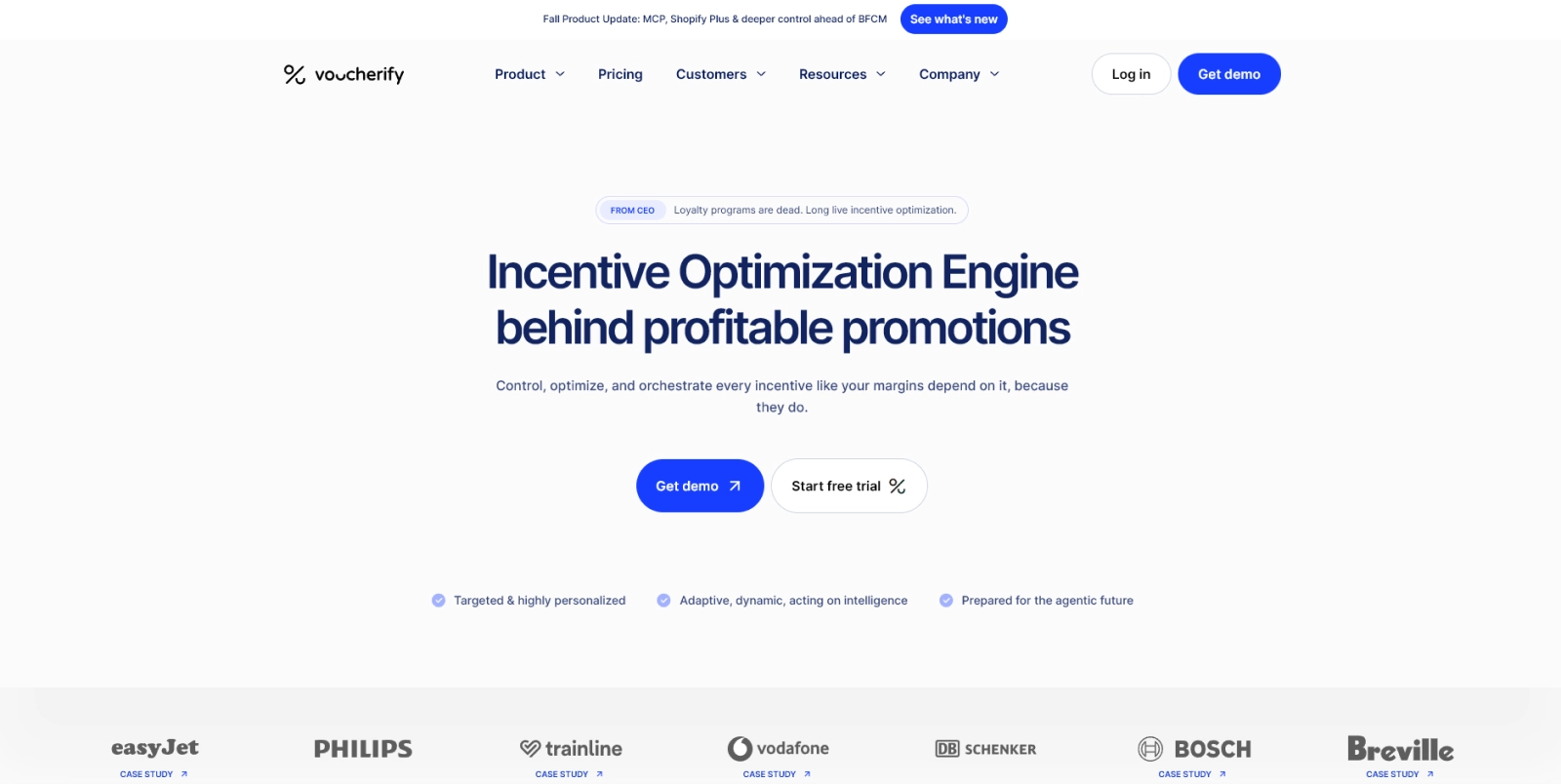
Voucherify is an API-first promotions, loyalty, and referral engine designed for brands that want full control over referral logic, rewards, and customer experience. It supports customizable referral workflows and deep integrations for teams that prefer a flexible, developer-friendly system.
Key Features:
- Flexible Referral Workflows: Set custom triggers, conversion criteria, and reward rules to match your specific referral goals.
- Tiered and Gamified Referral Programs: Reward advocates based on performance or milestones to encourage long-term engagement.
- Multiple Reward Types: Offer discounts, credits, points, gifts, or store credits based on what fits your brand.
- Fully Branded Experience via API or SDK: Embed referral flows directly into your website or app without exposing third-party branding.
- Scalable with Fraud Protection and Analytics: Handle high-volume events while tracking performance, validating referrals, and preventing abuse.
Ideal For: Mid-size to enterprise brands, omnichannel retailers, and engineering-led teams that need a customizable, API-first referral solution.
8. Referral Factory
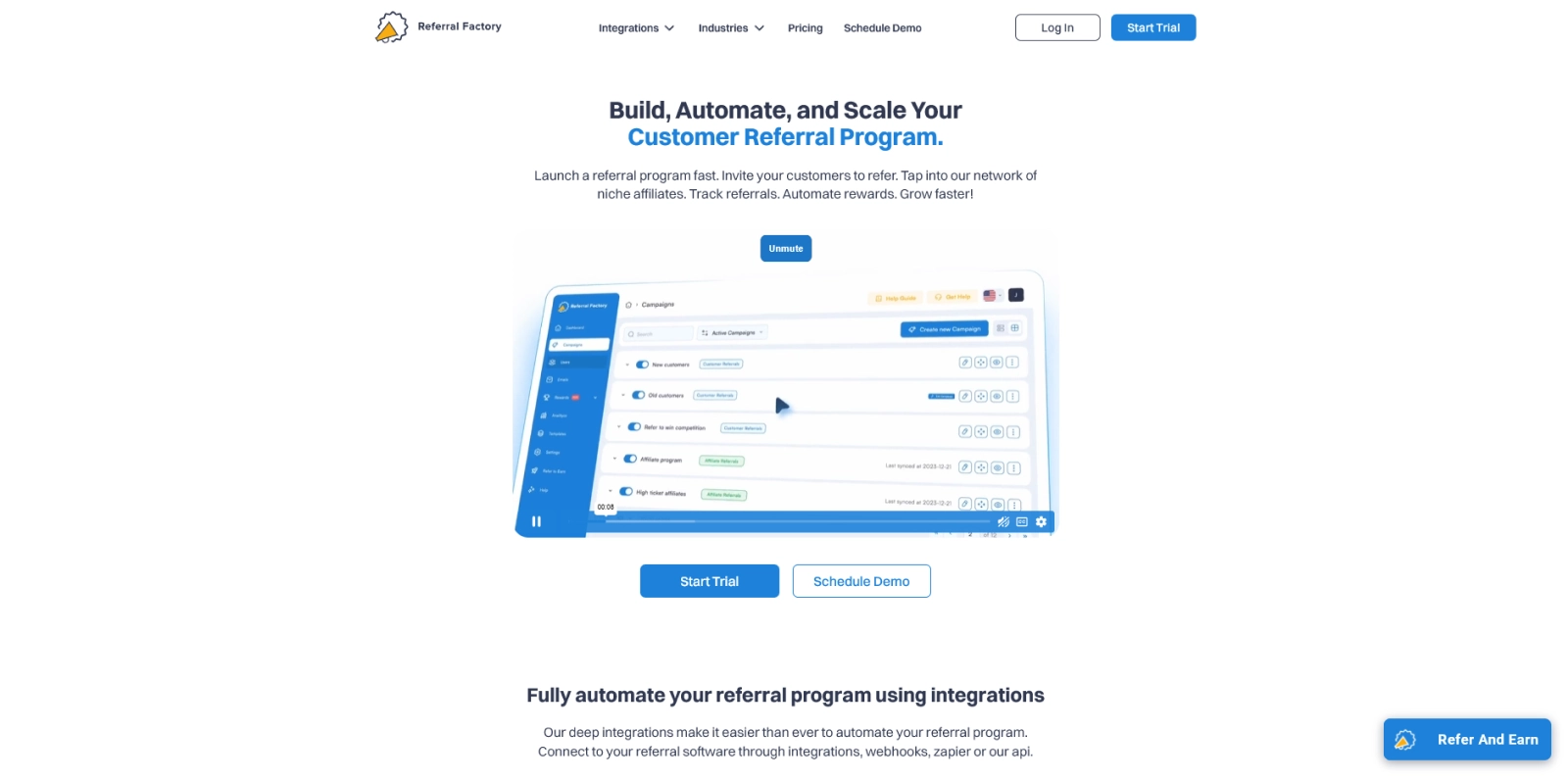
Referral Factory is a plug-and-play referral and affiliate platform that helps brands launch and scale referral programs with minimal technical effort. It offers full white-label customization, automatic referral tracking, and flexible reward options suitable for both e-commerce brands and agencies.
Key Features:
- Drag-and-Drop Referral Builder: Create fully branded referral pages using templates or custom HTML without coding.
- Flexible Reward Options: Offer vouchers, discounts, cash payouts, gift cards, credits, or custom incentives depending on your program.
- Automated Tracking and Rewards: Track referrals from signup to conversion and issue rewards automatically once they are validated.
- Integrations and No-Code Automation: Connect with CRMs, Zapier, payment tools, and other platforms to fit into existing workflows.
- White-Label Branding: Run referral campaigns that match your brand completely, with no external logos or tool branding.
Ideal For: Small to mid-sized e-commerce brands, D2C stores, startups, and agencies that want an easy, customizable referral engine without relying on developers.
With these top platforms in mind, here’s how to decide which one is the best fit for your business.
Also read: How Spending on Referral Programs Drives Customer Acquisition?
8 Key Criteria for Selecting White-Label Referral Software
The right referral tool should fit your brand, your workflow, and your customers. Use the points below to evaluate which software is the best long-term fit for your business.
1. Check How Fully White-Label the Experience Is
Some tools only allow basic color changes. Others let you customize everything: referral pages, pop-ups, emails, URL structures, and reward messages. The more control you have, the more the referral flow feels like part of your store.
2. Make Sure the Reward Logic Matches Your Business Model
Simple e-commerce brands may only need “give X, get Y” rewards. Agencies, marketplaces, and subscription brands may need tiered rewards, milestone rewards, or event-based triggers. Pick a tool that supports your specific reward workflows without hacks.
3. Look for Strong Fraud Prevention
Referral abuse is common. The platform should have automated checks like duplicate detection, device fingerprinting, referral validation steps, and post-conversion triggers. This protects your payout budget and ensures only genuine referrals receive rewards.
4. Confirm Integration Depth With Your Current Stack
The tool should integrate smoothly with your storefront (Shopify, WooCommerce), CRM, email tools, support systems, and checkout. Strong integrations reduce manual effort and ensure referrals are tracked correctly every time.
5. Prioritize Multi-Channel Sharing Options
Referrals perform best when sharing is easy. Choose a platform that supports WhatsApp, SMS, email, social sharing, and unique referral links so customers can share in the channel they prefer.
6. Review the Quality of Analytics and Attribution
Accurate attribution is essential for optimizing referral programs. Look for clear reports on referrers, referees, reward status, channel performance, and revenue contribution. Weak analytics lead to wasted budget and poor decision-making.
7. Match the Tool to Your Team Size and Skills
Choose a tool that matches the resources you actually have, not the ones you wish you had. A good referral platform should fit naturally into your team’s capabilities.
- No-code tools are ideal for small teams.
- API-first tools are best for brands needing custom workflows.
- Agencies benefit from multi-client management dashboards.
8. Compare Pricing With Your Expected Scale
Some tools are cost-effective for small programs, but get expensive as your database grows. Others offer enterprise pricing with advanced controls. Choose a tool that fits your current budget and can scale without forcing a migration later.
A thoughtful evaluation ensures you pick a referral platform that supports your growth, maintains your brand identity, and keeps customers engaged across every channel.
Final Thoughts
A white-label referral platform is more than a marketing tool. It shapes how customers experience your brand, how smoothly referrals convert, and how easily your team can scale word-of-mouth growth. The right software gives you full control over branding, fraud prevention, reward logic, and attribution, so every referral feels trustworthy and consistent.
If you want a fully branded referral experience that integrates with your store, works across channels, and runs with minimal effort, Nector gives you everything you need in one platform.
Book a demo to see how Nector can help you build a high-performing, white-label referral program for your brand.
FAQs
How does a white-label referral program work?
Customers receive a unique referral link, share it with others, and earn rewards once the referred person completes a qualifying action. The software automates tracking, validation, and reward distribution.
Can referral software integrate with Shopify or WooCommerce?
Most modern platforms integrate directly with e-commerce systems. This ensures accurate referral tracking at checkout and reduces manual setup for your team.
How do referral tools prevent fraud or duplicate referrals?
Good platforms use validation rules, duplicate detection, device checks, and post-purchase verification to ensure only genuine referrals receive rewards.
What types of rewards can I offer in a referral program?
You can offer discounts, coins, points, cashback, credits, gifts, free products, or tier-based perks. The right reward depends on your category and customer behavior.
Is white-label referral software suitable for small teams?
Yes. Many tools are built for founder-led brands and small e-commerce teams. They automate tracking, messaging, and payouts so you don’t have to manage referrals manually.

%201.webp)


%201.webp)
Start Building Customer Retention That Lasts