
.avif)
.avif)
The brands seeing the strongest loyalty today are the ones creating continuous engagement. Engagement-led loyalty programs reward customers for behaviors that deepen long-term relationships, such as reviews, referrals, social interactions, app activity, and more.
A Statista survey shows the impact clearly: in 2024, one-third of professionals report earning five to seven times their investment from loyalty programs.
This guide walks through the top customer engagement loyalty software solutions that help brands build richer, higher-performing loyalty experiences.
At a glance:
- Engagement loyalty programs reward meaningful actions beyond purchases, keeping customers active across channels.
- Engagement-driven retention boosts repeat rate, emotional loyalty, UGC generation, and overall customer lifetime value.
- Modern programs combine points, tiers, referrals, UGC rewards, gamification, and community features for deeper participation.
- High-impact loyalty comes from rewarding habits, personalizing offers, and making progress visible across the customer journey.
- Nector enables brands to run powerful engagement-led programs with points, tiers, referrals, UGC incentives, and omnichannel syncing that lift repeat revenue.
What Is an Engagement Loyalty Program?
An engagement loyalty program is a modern loyalty model that rewards customers not just for buying but for interacting with your brand across multiple touchpoints. Instead of focusing only on transactions, it encourages ongoing engagement such as reviews, referrals, social shares, app activity, and website interactions to strengthen long-term loyalty.
This makes it very different from traditional points-based programs, which only reward purchases and often fail to build a deeper connection or lasting retention.
Here’s what sets engagement loyalty programs apart:
- Rewards for non-purchase actions: Customers earn points or benefits for reviews, referrals, UGC, social follows, birthdays, quiz completions, app logins, and other micro-engagements.
- Continuous engagement across channels: Every interaction across your website, email, WhatsApp, mobile app, and in-store contributes to their loyalty journey.
- Builds emotional and behavioral loyalty: By rewarding actions that show intent and involvement, you move customers from transactional loyalty to true brand affinity.
- Connects the full customer journey: Engagement signals across online and offline touchpoints create a unified picture of the customer, enabling smarter personalization and retention.
In simple terms, an engagement loyalty program keeps customers involved even when they are not buying, which ultimately drives more frequent purchases and stronger brand relationships.

Why Engagement-Based Loyalty Matters Today
Customer acquisition costs are at an all-time high, and shoppers expect brands to deliver more than discounts to earn their loyalty. This shift has made engagement-based loyalty programs essential.
Instead of rewarding only purchases, brands now reward ongoing interactions such as reviews, referrals, social engagement, and app activity, which build stronger relationships that last far beyond a single transaction.
Here’s why engagement-led retention is becoming the new growth engine:
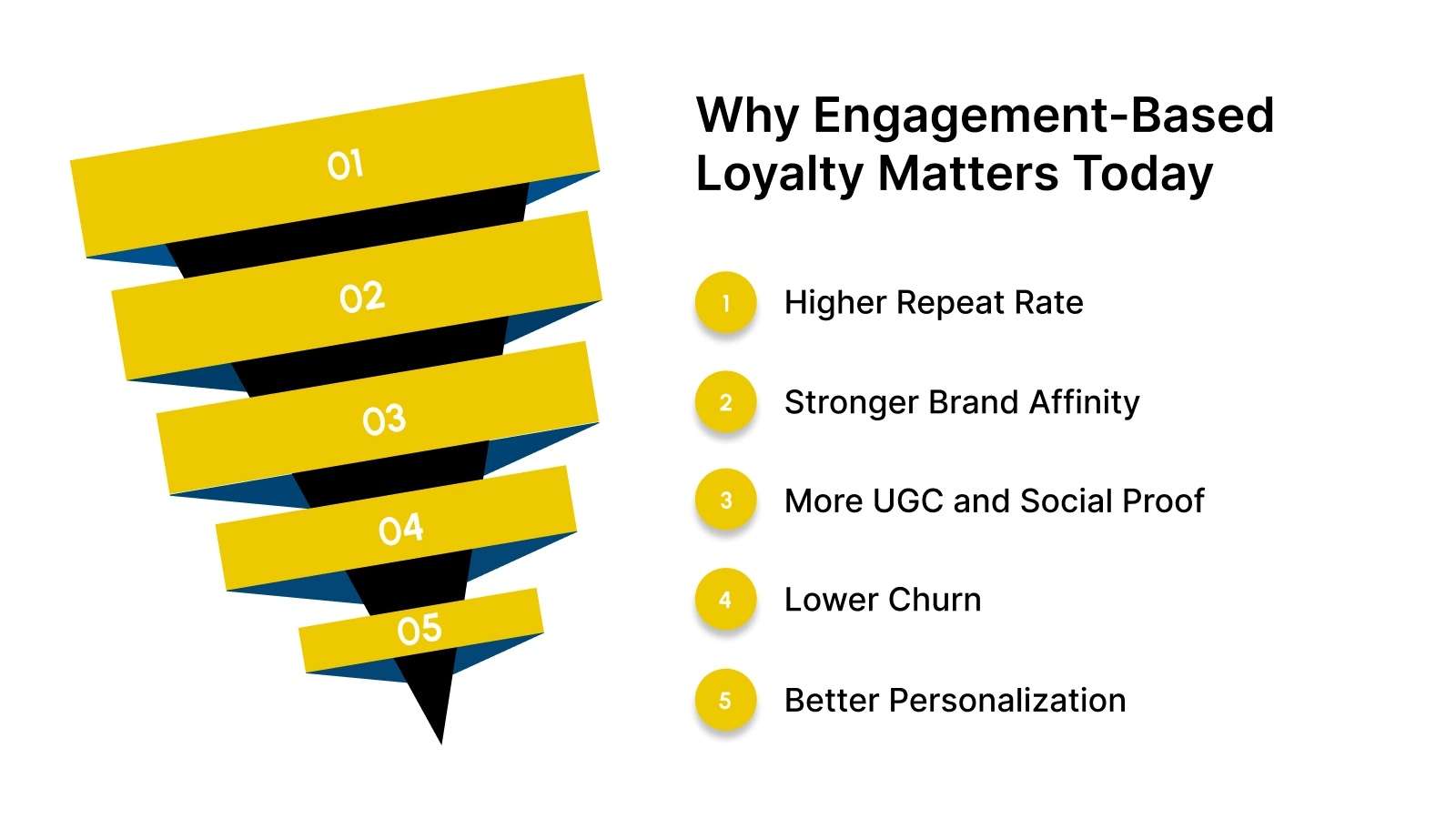
1. Higher Repeat Rate
When customers engage with a brand through reviews, referrals, challenges, or social actions, they build habits around the brand. This increases return frequency far more effectively than purchase-only reward systems.
2. Stronger Brand Affinity
Engagement programs create emotional loyalty. Customers feel seen and appreciated for every interaction, which strengthens their bond with the brand and increases long-term commitment.
3. More UGC and Social Proof
Rewarding real customer actions, such as photos, videos, and testimonials, generates valuable social proof. This content boosts trust, improves conversion rates, and lowers reliance on paid marketing.
4. Lower Churn
Engaged customers receive more touchpoints and reminders throughout their lifecycle. This ongoing interaction helps prevent silent drop-off and keeps customers active across buying cycles.
5. Better Personalization
Every engagement action gives you data beyond purchase history. This allows you to send smarter recommendations, targeted offers, and timely nudges that feel relevant and increase ROI.
An engagement-first loyalty model does not just retain customers. It creates long-term value that compounds with every interaction.
Also read: Customer Churn vs Retention: Key Differences Explained
Types of Engagement Loyalty Programs
Engagement loyalty programs come in multiple formats, each designed to reward customers for meaningful actions beyond the transaction. Depending on your product, audience, and brand goals, you can combine several types to build a more complete retention engine.
Here are the most effective models used by modern e-commerce and retail brands:
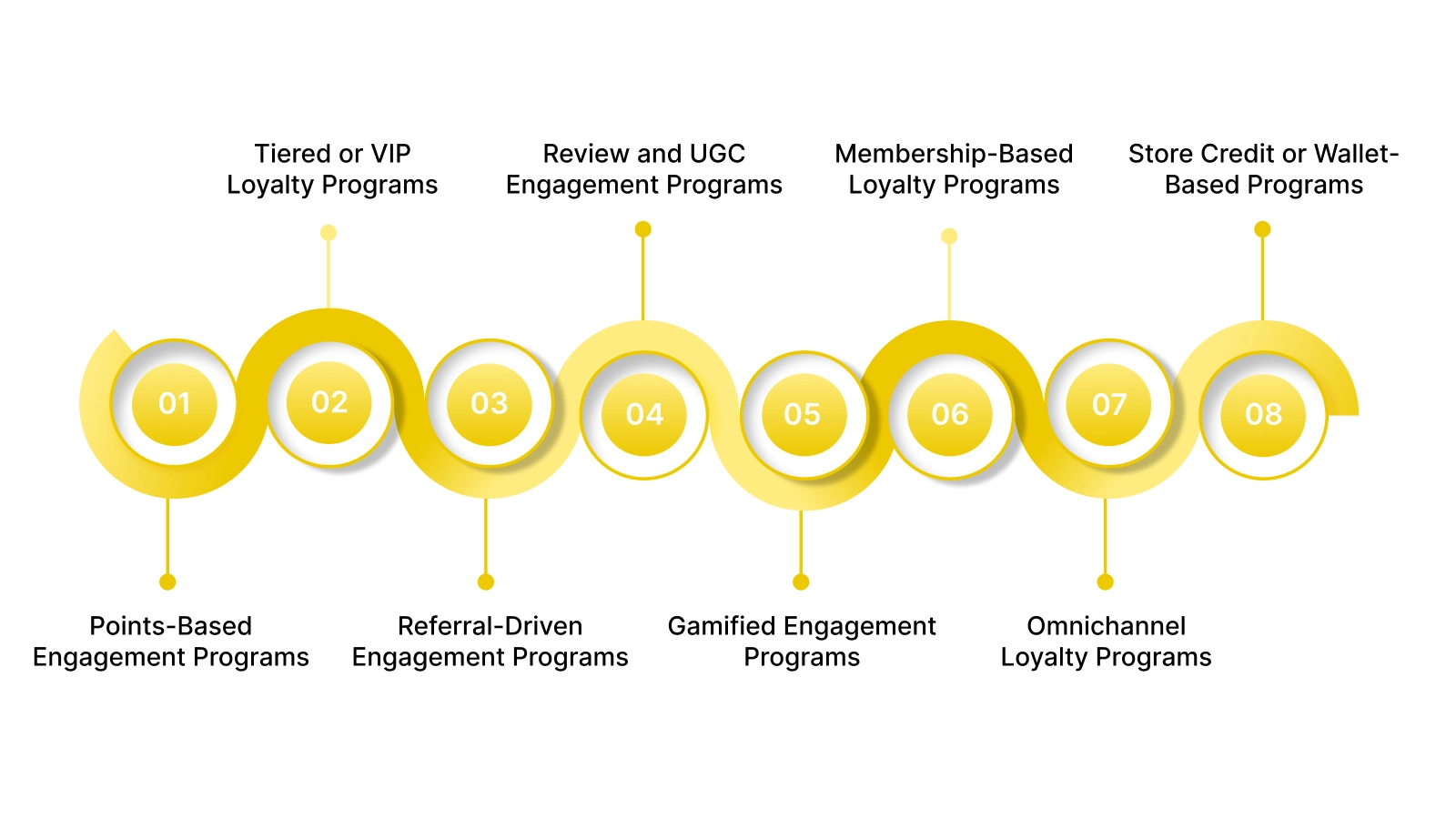
1. Points-Based Engagement Programs
Customers earn points not just for purchases but also for actions like reviews, referrals, social follows, quizzes, app usage, or completing challenges. This keeps engagement high even between orders.
2. Tiered or VIP Loyalty Programs
Customers unlock higher status levels by engaging consistently. Tiers often include perks such as early access, priority support, exclusive drops, or higher point multipliers, motivating long-term participation.
3. Referral-Driven Engagement Programs
A refer-a-friend system rewards both the referrer and the new customer. This type strengthens advocacy, increases organic acquisition, and drives strong engagement from high-intent customers.
4. Review and UGC Engagement Programs
Brands reward customers for creating content such as product reviews, photos, videos, or testimonials. This builds trust, strengthens community, and boosts conversion rates.
5. Gamified Engagement Programs
Programs include missions, challenges, badges, streaks, or milestones that reward consistent activity. Gamification increases motivation and encourages repeat interactions across channels.
6. Community or Membership-Based Loyalty Programs
Members gain access to exclusive groups, events, educational content, or insider benefits. These programs build emotional loyalty and a sense of belonging that lasts beyond transactions.
7. Omnichannel Loyalty Programs
Customers earn and redeem rewards across both online and offline stores. Engaging at POS, through mobile apps, in-store events, and digital channels creates a seamless, unified experience.
8. Store Credit or Wallet-Based Programs
Instead of traditional points, customers earn store credits for purchases and engagement actions. Credits are easy to understand and strongly influence future buying behavior.
Together, these models give brands flexible ways to capture engagement at every step of the customer journey, ensuring loyalty is reinforced long before and long after a purchase happens.
Looking to build a loyalty program with elements like the ones above? Nector helps you reward reviews, referrals, and social actions in minutes.
Top 8 Successful Engagement Loyalty Programs
Some of the most successful brands in the world use engagement-based loyalty programs to increase participation, strengthen their community, and drive repeat purchases.
Here are real examples that show how engagement, not just points, creates long-term loyalty.
1. Sephora Beauty Insider
Sephora rewards customers for purchases, reviews, community posts, event participation, and social engagement. Higher tiers unlock experiential perks like facials, early access, and exclusive product drops.
Why it works: It blends gamification with emotional loyalty, creating strong attachment and high participation across channels.
2. McDonald’s Rewards
McDonald’s customers earn points for purchases via the MyMcDonald’s app, which can then be redeemed for free menu items. Customers receive 100 points for every dollar spent, and rewards begin once they reach a threshold (e.g., 1,500 points).
Why it works: Simple, high-frequency rewards tied to behavioral triggers drive incredible engagement for a fast-moving category.
3. Adidas adiClub
adiClub in the US rewards members for purchases, workouts tracked in the Adidas Running app, product reviews, and engagement with brand content. Members level up to unlock exclusive drops, experiences, vouchers, and early access to releases.
Why it works: It blends lifestyle activity with shopping rewards, keeping customers connected to the brand through both daily habits and high-value perks.
4. Starbucks Rewards
Starbucks Rewards lets members earn Stars for purchases made in-store, through the app, or via delivery. Stars can be redeemed for free drinks, food, and other menu items.
Why it works: Personalized offers and in-app challenges make everyday purchases feel rewarding, boosting repeat behavior.
5. Amazon Shop with Points
Amazon’s Shop with Points lets customers use credit card and loyalty program points to pay for millions of items, digital purchases, and even a Prime membership at checkout.
Why it works: It creates seamless, repeat engagement by turning existing reward points into easy, instant value on Amazon.
6. LEGO Insiders
LEGO Insiders encourages members to share their builds, join challenges, attend events, and engage with the brand’s creative community. Customers earn points not only for purchases but also for participation and UGC.
Why it works: The community-driven model deepens emotional loyalty. By rewarding creativity and involvement, LEGO turns customers into lifelong fans across age groups.
7. IKEA Family
IKEA Family rewards members with special discounts, free workshops, event access, product recommendations, and in-store benefits. Engagement comes from participating in events, exploring content, and interacting with the brand beyond purchases.
Why it works: It keeps customers engaged between long buying cycles by offering value, inspiration, and experiences that build an ongoing brand connection.
8. Target Circle
Target Circle is a free loyalty program offering personalized deals, automatic savings, purchase rewards, birthday perks, and community giving votes. A paid tier, Circle 360, adds unlimited same-day delivery.
Why it works: It blends savings, personalization, and community involvement, creating frequent engagement across Target’s online and in-store experience.
These programs work because they reward ongoing engagement. Here’s how to build a system that does the same for your business.
How to Build an Engagement Loyalty Program for Your Business
To create a program that truly drives long-term loyalty, you need a framework that blends strategy, psychology, and seamless technology.
Here are some things to keep in mind:
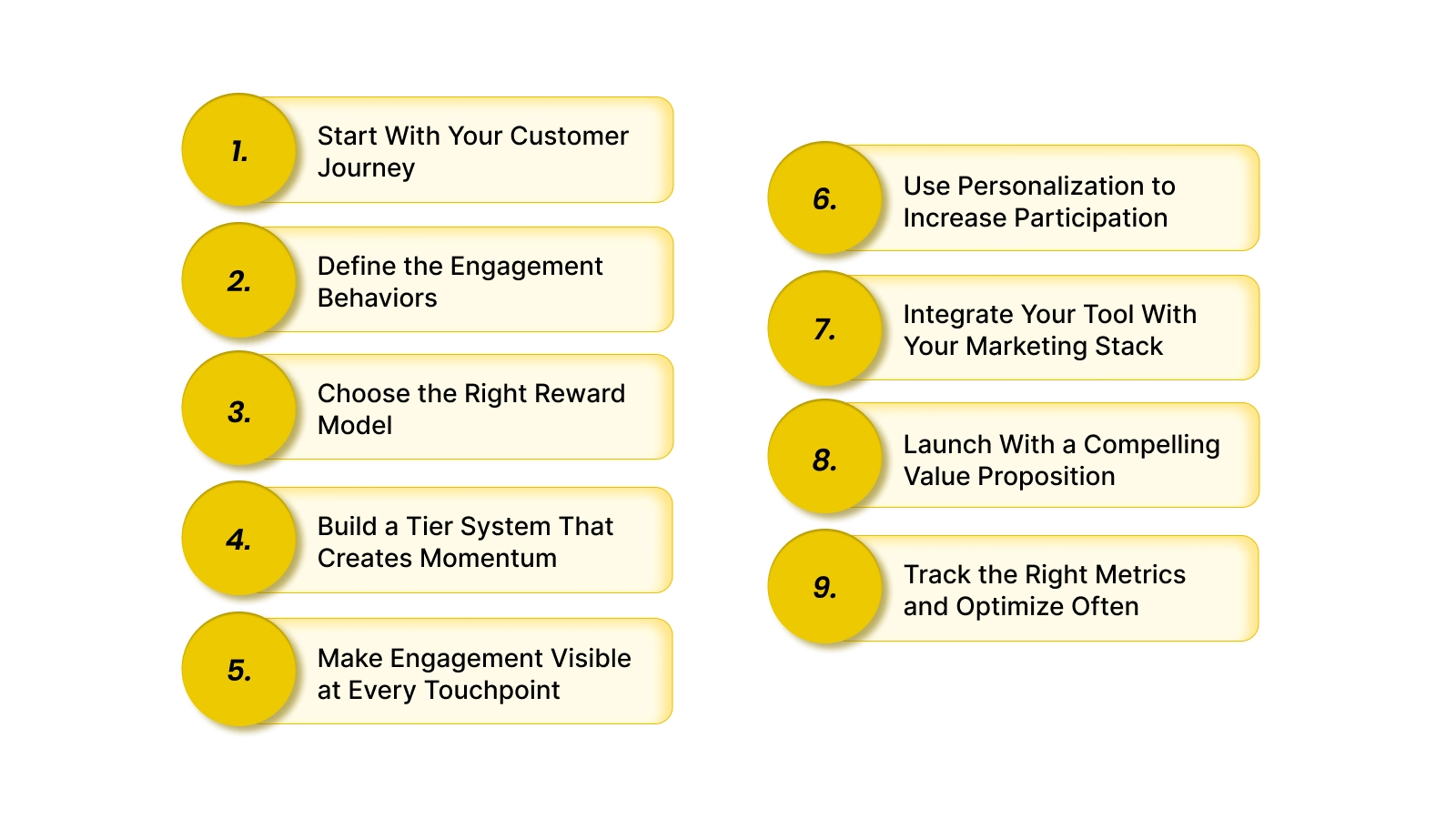
1. Start With Your Customer Journey, Not Your Rewards
Before creating tiers or deciding how many points to award, map the stages your customers go through. These can be:
- Discovery
- First purchase
- Onboarding
- Product usage
- Repurchase
- Advocacy
Identify the moments where customers typically disengage. These drop-off points are where your program needs to add value.
This ensures your loyalty model strengthens behavior across the entire lifecycle, not just after checkout.
2. Define the Engagement Behaviors You Want More Of
Modern loyalty programs go far beyond rewarding purchases. The real impact comes from encouraging high-intent actions that deepen involvement with your brand.
Depending on your business model, this may include:
- Leaving reviews or UGC
- Referring friends
- Interacting with your app or website
- Participating in quizzes or challenges
- Attending events or workshops
- Joining communities or forums
- Completing onboarding flows
When you reward these behaviors, you build habits, and habits create loyalty.
3. Choose the Right Reward Model for Your Brand
Different audiences respond to different incentives. Consider whether you want to reward customers through:
- Points
- Store credits
- Experience-based perks
- Early access
- Exclusive content
The goal is to offer rewards that feel valuable but do not push you into margin-heavy discount cycles. The stronger the perceived value, the more sustainable your program becomes.
4. Build a Tier System That Creates Momentum
Tiered programs like Silver, Gold, and VIP keep customers motivated because progress is visible and achievable.
Higher tiers should come with meaningful benefits such as faster support, exclusive drops, bonus points, early access, or members-only events.
A strong tier structure transforms your loyalty program from a transactional rewards system into a status-driven ecosystem.
5. Make Engagement Visible at Every Touchpoint
Customers participate more when they can see their rewards and progress. Make sure to highlight loyalty across key moments:
- Show points and potential rewards on product pages
- Display VIP progress bars or tier badges on account pages
- Surface available redemptions at checkout
- Add loyalty reminders and nudges in post-purchase emails
When engagement is visible everywhere customers interact with your brand, they stay more involved, more active, and more likely to return.
6. Use Personalization to Increase Participation
An engagement-driven program thrives on data. Segment customers based on purchase behavior, lifecycle stage, engagement level, and predicted churn.
Then deliver relevant offers such as:
- Bonus points for at-risk customers
- Early-access drops for VIPs
- Personalized challenges based on past purchases
- Smart cross-sell or refill nudges
The more personal the experience, the higher the engagement.
7. Integrate Your Tool With Your Marketing Stack
Your loyalty platform should plug into your email, WhatsApp, CRM, and paid media systems so you can automate engagement.
Examples include:
- Post-purchase education flows
- Tier upgrade notifications
- Win-back sequences
- Wishlist-to-coupon reminders
- Personalized product recommendations
Automation ensures engagement continues even when your team is not actively managing it.
8. Launch With a Clear, Compelling Value Proposition
Your loyalty program should communicate its value instantly. Customers join when they clearly understand what they gain.
Examples of simple, effective promises include:
- “Join for rewards every time you engage.”
- “Become a VIP and unlock exclusive benefits.”
- “Earn points for every action you take, not just purchases.”
When the value is clear, customers sign up. When it feels vague or complex, engagement drops immediately.
9. Track the Right Metrics and Optimize Often
Launching the program is only the first step. A high-performing engagement loyalty system requires ongoing measurement and refinement. Monitor key indicators such as
- Repeat purchase rate
- Engagement rate
- Reward redemption
- Tier progression
- Overall lifetime value
Once you identify behaviors that create measurable lifts, double down on them. Adjust tiers, update rewards, or redesign engagement challenges based on real customer data.
Continuous optimization ensures your program stays relevant, motivating, and profitable.
Also read: 10 Best Customer Loyalty Software Platforms in 2026
Why Nector Is a Strong Choice for Your Engagement Loyalty Program
Nector offers a fully-integrated loyalty, referral, and reviews solution built to help e-commerce and omnichannel brands boost customer engagement and repeat purchases with minimal effort.
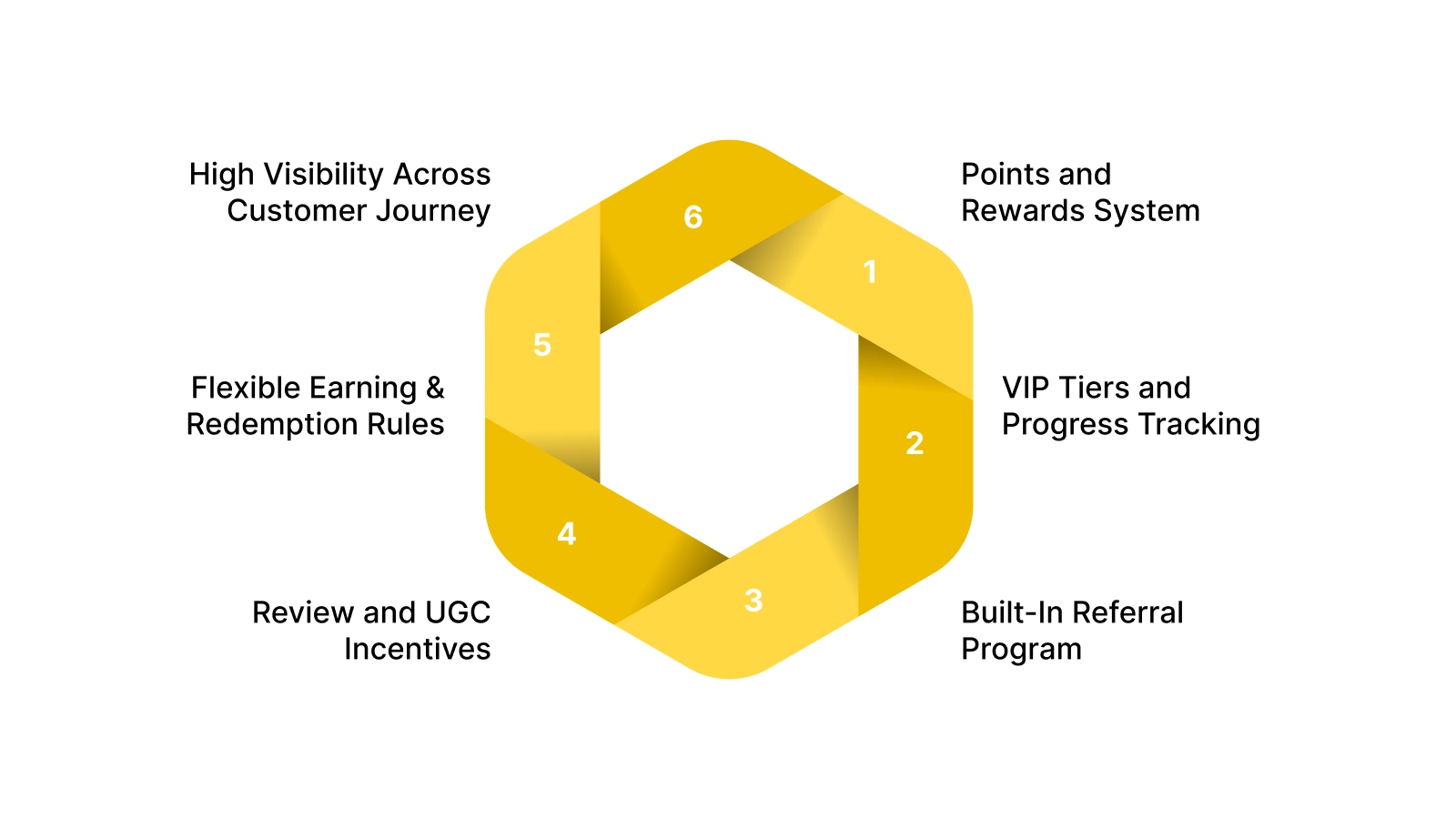
Key features:
- Points and Rewards System: Customers earn points for purchases, signups, referrals, reviews, and other engagement actions, making loyalty part of every interaction.
- VIP Tiers and Progress Tracking: Create multi-level tiers like Silver, Gold, and VIP to motivate customers with visible progress and exclusive perks.
- Built-In Referral Program: Reward both referrers and new customers, helping brands convert loyal buyers into steady advocates.
- Review and UGC Incentives: Encourage customers to leave reviews, photos, or videos by rewarding their contributions, which strengthens trust and boosts conversion.
- Flexible Earning and Redemption Rules: Customize how points are earned or redeemed, set coin expiry, run bonus campaigns, and manage store credits with complete control.
- High Visibility Across Customer Journey: Show points, rewards, and VIP progress on product pages, checkout, account dashboards, and thank-you pages to keep engagement consistent.
All of these features work in sync to create a loyalty engine that grows retention, boosts repeat purchases, and strengthens your brand long term.
How Brands Use Nector to Drive Engagement and Loyalty
Here’s how leading brands use Nector to increase engagement, accelerate repeat sales, and grow loyalty-driven revenue.
Case Study 1: Apparel Brand Boosts Repeat Orders and Engagement
A premium apparel brand used Nector’s loyalty, referral, and review system to drive stronger engagement across sign-ups, referrals, and repeat purchases.
As a result, loyalty-driven orders accounted for 12% of total revenue, with 690 repeat customers and 150+ reviews in a peak month. The brand saw faster repeat cycles by rewarding high-intent actions beyond just purchases.
Case Study 2: Nutrition Brand Lifts AOV and Loyalty-Led Revenue
A fast-growing nutrition brand used Nector to shift from acquisition-heavy growth to retention-led revenue. By rewarding repeat purchases and everyday engagement, they achieved a 37.82% order share from loyalty members and a 14.52% lift in average order value.
Nector’s seamless, branded rewards experience helped turn infrequent shoppers into consistent buyers.
Case Study 3: Wellness Brand Achieves 320% Growth With Loyalty
After implementing Nector, the wellness-focused brand reported a dramatic 320% increase in monthly orders. The loyalty program helped convert one-time buyers into repeat customers by rewarding purchases, reviews, and referrals consistently.
As a result, the brand gained stronger retention and higher customer lifetime value.
Final Words
Engagement-based loyalty is no longer just a retention tactic. It is one of the most reliable levers for driving repeat purchases, building emotional connection, and creating long-term brand advocates. When brands reward behaviors beyond transactions, they build habits rather than one-off incentives, and that is what keeps customers coming back.
Nector makes this shift simple. With points, tiers, referrals, reviews, personalization, and POS syncing in one platform, brands can launch a high-engagement loyalty ecosystem without adding work to their teams.
Book a demo with Nector today to build a loyalty program that truly drives engagement and repeat sales.
FAQs
What is engagement loyalty?
Engagement loyalty focuses on rewarding customer actions beyond purchases, such as reviews, referrals, app interactions, content engagement, and event participation. The goal is to build habits and emotional connection, not just transactional repeat buying.
What is an example of a loyalty program?
Starbucks Rewards is one of the best-known examples. Customers earn Stars for purchases and app interactions, unlock personalized offers, and redeem rewards. The program creates daily engagement loops that keep customers coming back.
What are the 4 stages of loyalty?
The four stages are awareness, engagement, conversion, and advocacy. Customers first discover your brand, begin interacting, make repeat purchases, and eventually recommend your brand to others.
What are the 3 R's of loyalty?
The 3 R’s are rewards, recognition, and relevance. Customers stay loyal when they feel valued, see meaningful benefits, and receive offers or experiences that match their needs and behavior.



%201.webp)

Start Building Customer Retention That Lasts