

.avif)
.avif)
Getting new customers is great, but keeping them around? That’s where the magic happens. Returning customers spend 67% more over time than first-timers, and that’s a massive opportunity.
But here’s the catch: getting them to buy once isn’t enough. That’s where loyalty and engagement tools come in. They help you stay connected with your customers, reward them for coming back, and make sure they stay loyal to your brand.
In this blog, we’ll walk you through the best tools in B2C commerce that can help you turn one-time buyers into repeat customers who keep purchasing more.
Overview
- Loyalty and engagement tools boost customer retention by offering rewards and personalized communication, driving repeat purchases and engagement.
- Loyalty programs reward repeat business, while engagement tools maintain customer interaction through automated messages and personalized offers.
- Personalization is essential, tailoring rewards based on customer behavior to deepen brand connections.
- Consider scalability, integration, data insights, and personalization when choosing loyalty tools for sustained growth.
- Multi-channel integration ensures consistent messaging across touchpoints, enhancing customer experience and loyalty.
What Are Loyalty and Engagement Tools?
Loyalty and engagement tools are designed to enhance the customer experience by offering rewards, recognition, and personalized communication. Loyalty tools primarily focus on rewarding repeat customers with points, discounts, or special perks for actions like purchases, referrals, and social media engagement. On the other hand, engagement tools focus on maintaining a two-way communication channel with customers through automated messaging, personalized offers, and real-time interactions.
Here’s how they both differentiate:
By strategically combining loyalty and engagement tools, brands can support customer retention, ensure sustained growth, and create a customer experience that feels personal and meaningful.
Also Read: Inside Vilvah’s 50%+ Retention Success - Powered by Nector
4 Ways Customer Loyalty Programs Boost Engagement in B2C Brands
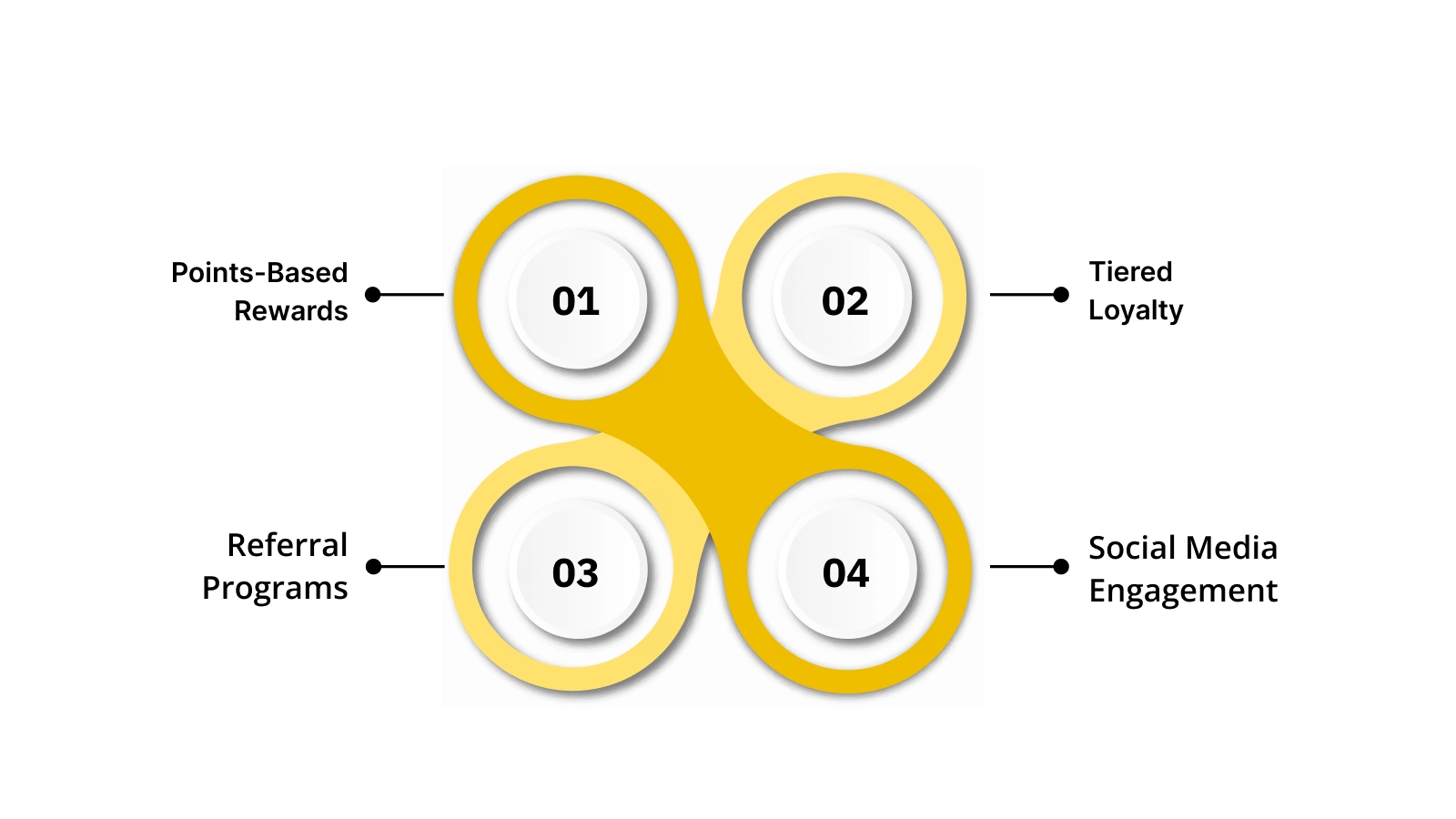
At the heart of most successful B2C brands is a loyalty program designed to drive engagement. The main features of a solid loyalty program include:
- Points-Based Rewards: Customers earn points for actions like purchases, reviews, or referrals, which they can redeem for discounts or exclusive rewards.
- Tiered Loyalty: Offering multiple levels of rewards based on customer behavior (e.g., silver, gold, platinum) increases customer retention by providing higher-value rewards the more they engage.
- Referral Programs: Rewarding customers for bringing in new business creates a self-perpetuating cycle of brand ambassadors who act as promoters.
- Social Media Engagement: Encouraging customers to interact with your brand on social media and offering incentives for doing so can turn passive followers into loyal customers.
Importance of Personalization
Personalization is key to making these programs relevant to customers. For instance, if a customer regularly purchases eco-friendly products, they may respond better to loyalty rewards that align with their environmental values, like discounts on future eco-products. The more relevant the rewards, the stronger the emotional bond to your brand.
However, know that despite their potential, many brands encounter challenges when implementing effective loyalty programs.
Challenges in Loyalty Program Implementation
While loyalty programs offer significant benefits, they often face key obstacles that can undermine their effectiveness. Let’s look at the challenges that need to be addressed for these programs to truly succeed:
- Lack of Personalization: Programs that treat all customers the same miss the mark. Personalization can be automated, but it needs smart integrations with CRM systems.
- Complex Reward Redemption: If it’s too complicated or time-consuming for customers to redeem their rewards, they’ll quickly lose interest.
- Inefficient Tracking: Without the right tools, tracking customer activity, points, and redemptions can become cumbersome, leading to mistakes and frustration.
Overcoming these hurdles is essential to avail the true value of loyalty programs. With the right tools and strategy, brands can solve these challenges and create seamless, personalized experiences that drive long-term engagement and retention.
Key Tools for Loyalty Programs and Engagements in B2C Commerce
Picking the right tools for loyalty and engagement is essential. To keep customers coming back, brands need solutions that reward loyalty, build trust, and encourage ongoing interaction.
1. Nector: Easy-to-Set-Up Loyalty and Referral Tools for Startups to Enterprises
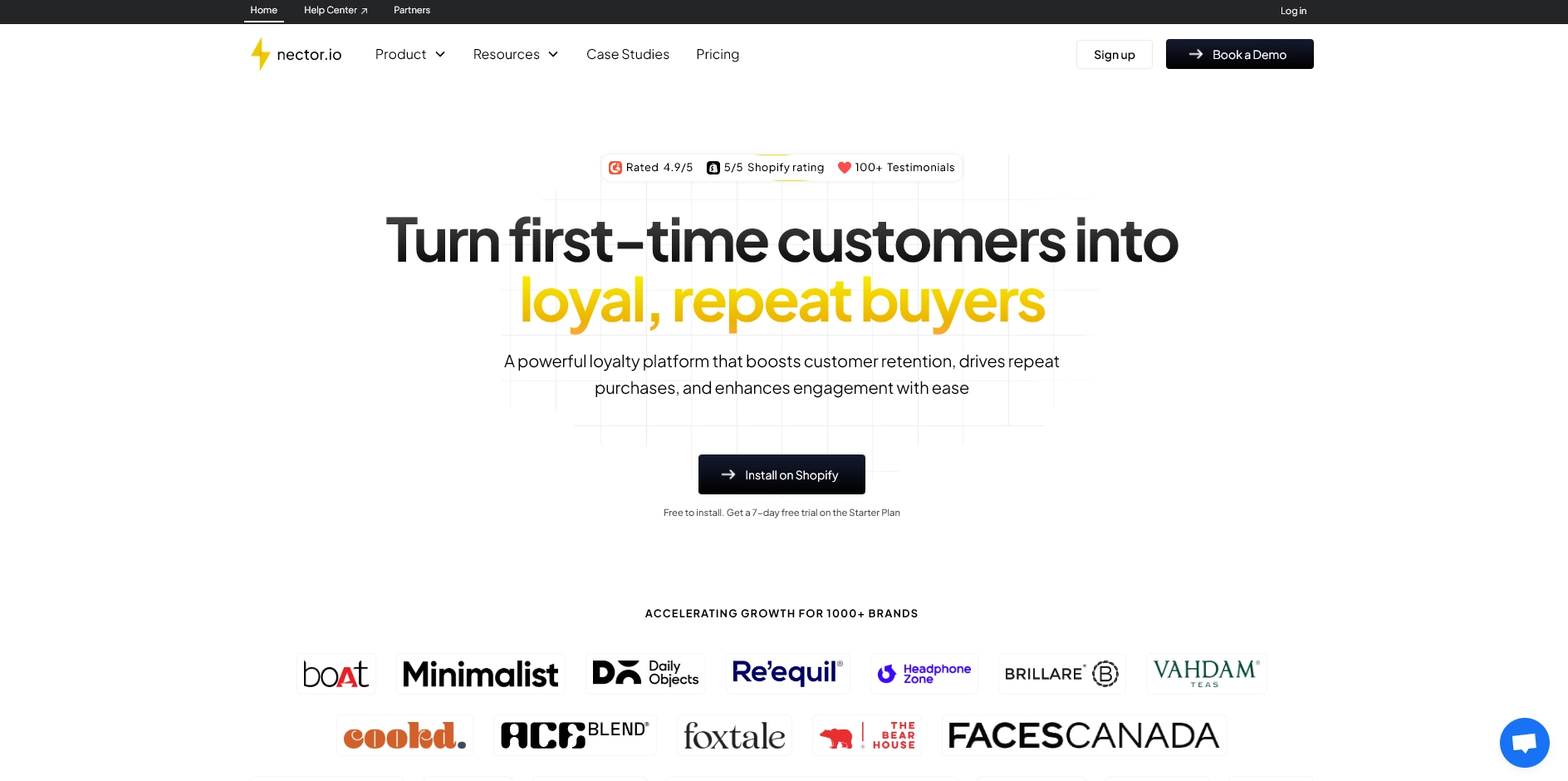
Nector offers an intuitive platform that simplifies loyalty and referral programs, making it accessible for businesses of all sizes. Its AI-driven personalization and seamless Shopify integration make it ideal for small teams.
Key Features Include:
- Automated loyalty: Simplify loyalty program setup with automation, making it easy for businesses to reward repeat customers effectively.
- Customizable reward systems: Personalize rewards to match customer behavior, ensuring relevant incentives that drive loyalty and enhance engagement.
- Integration with Shopify: Seamlessly integrate with Shopify, enabling businesses to implement loyalty programs without disrupting existing e-commerce workflows.
- Real-time customer insights: Access valuable data on customer behavior, allowing businesses to make informed decisions and optimize loyalty strategies.
Pros:
- Simple setup with minimal technical requirements
- AI-driven personalization that enhances customer experience
Cons:
- Limited features for large enterprises with complex needs
Pricing:
- Starts at $49/month with scalable pricing for larger teams.

2. Yotpo: Integrating Loyalty with User-Generated Content for Brand Trust
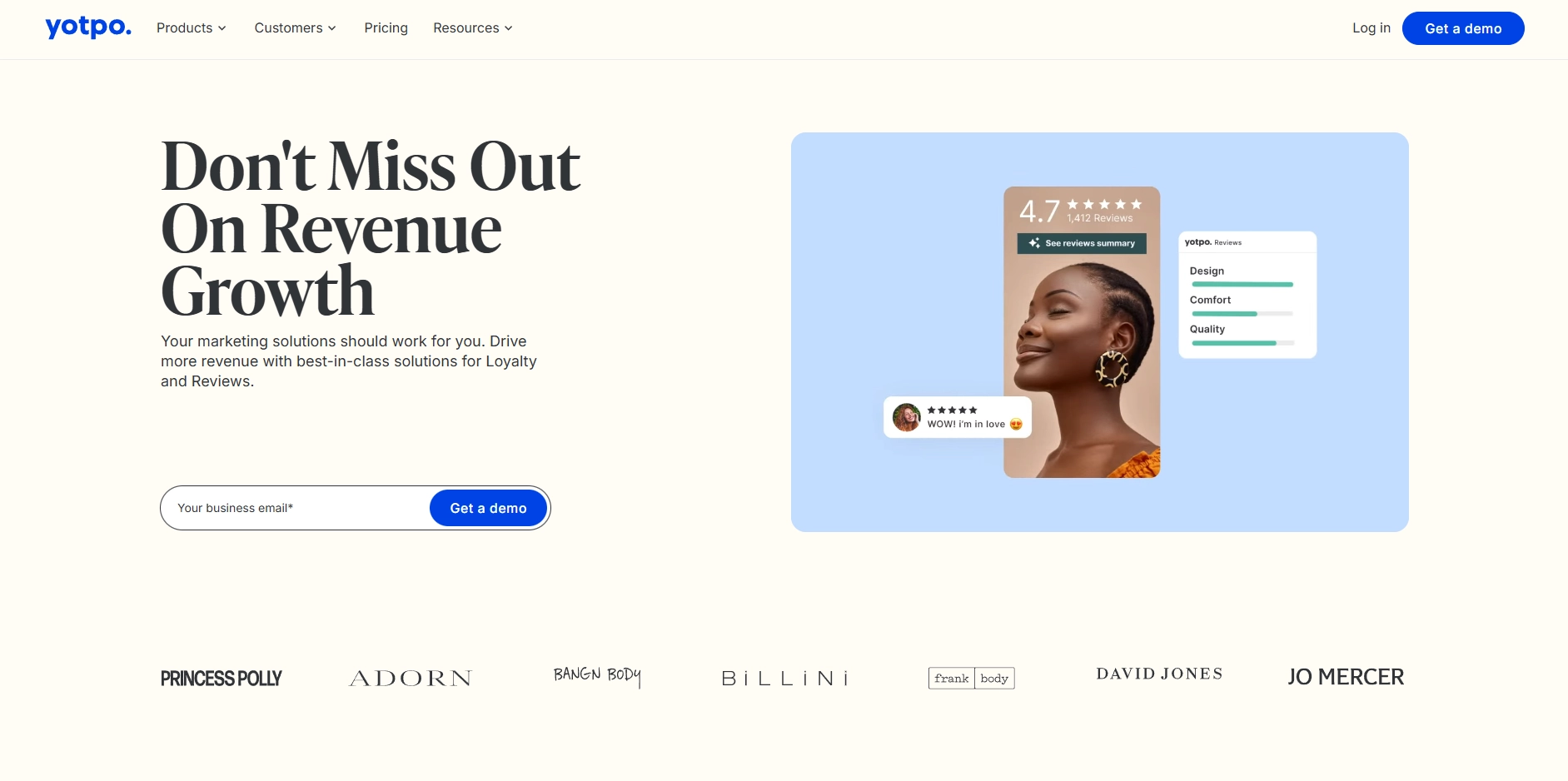
Yotpo combines loyalty programs with user-generated content (UGC) to build brand trust. It rewards customers for leaving reviews and integrates social proof, improving engagement and credibility for brands.
Key Features Include:
- Rewards tied to reviews: Incentivize customers to share feedback.
- Social proof integration: Enhance credibility using customer-generated content.
- Custom loyalty systems: Fully adaptable loyalty rewards.
- Customizable rewards: Flexible options based on customer preferences.
Pros:
- Boosts brand credibility through customer reviews and social proof
- Highly customizable for different types of engagement
Cons:
- It can be overwhelming for small businesses due to its comprehensive features
- Pricing structure may not suit all budgets
Pricing:
- Starts at $199/month
3. LoyaltyLion: Data-Driven Loyalty for Retention-Oriented B2C Brands
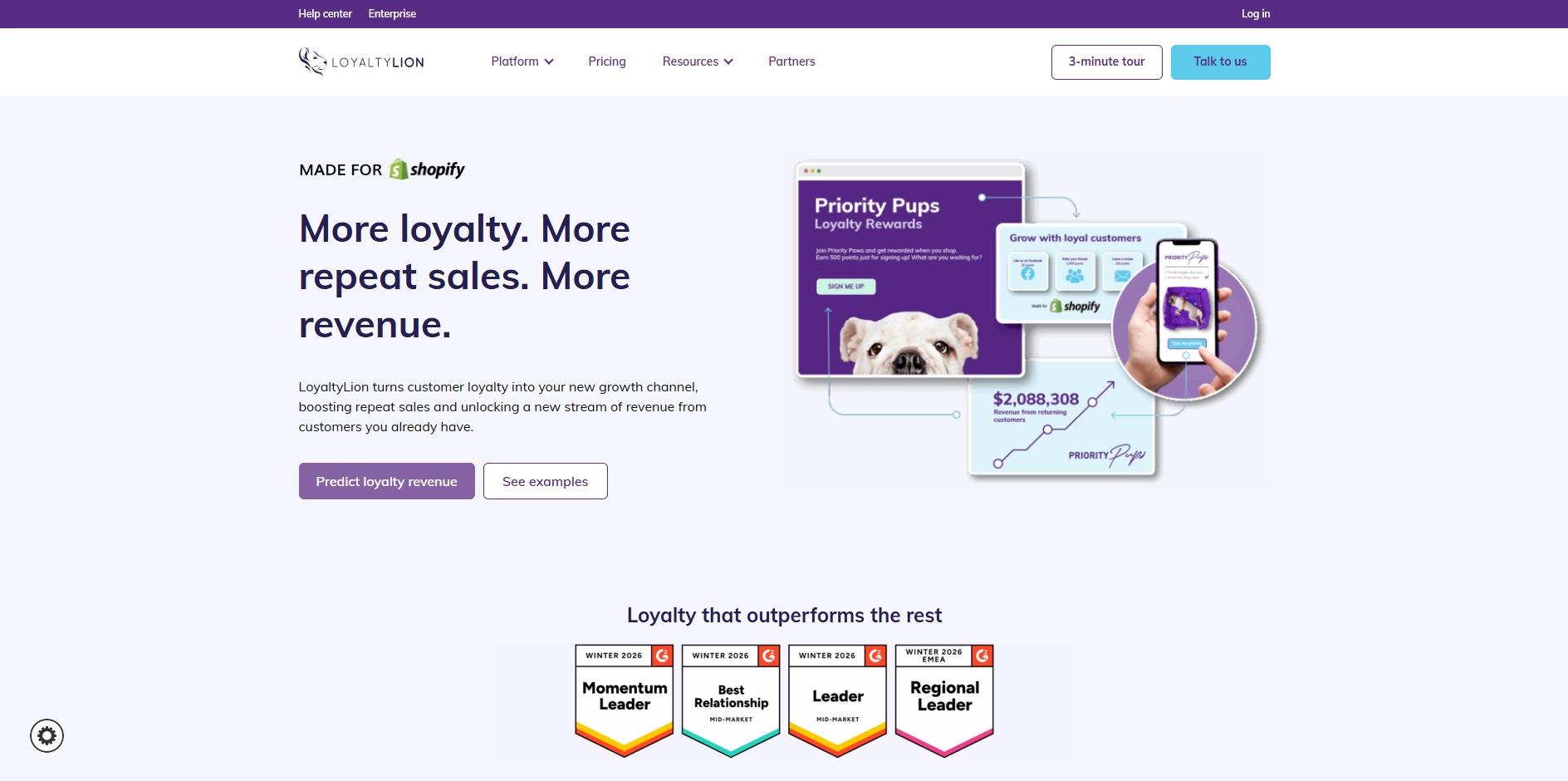
LoyaltyLion uses data to offer advanced loyalty solutions. It provides deep insights into customer behavior, allowing brands to create personalized incentives and integrate across multiple channels for seamless engagement.
Key Features Include:
- Deep insights into customer behavior: Understand buying patterns and preferences.
- Personalized incentives: Tailor rewards to individual customer actions.
- Multi-channel integration: Engage customers across multiple platforms.
- Advanced segmentation: Use data to target specific customer segments.
Pros:
- Data-driven insights for highly effective loyalty strategies
- Multi-channel support for an integrated approach
Cons:
- Steeper learning curve for new users
- Pricing can be higher for small businesses
Pricing:
- Starts at $199/month with scalable options for larger businesses.
4. Smile.io: The Foundational Tool for Growing Loyalty Programs
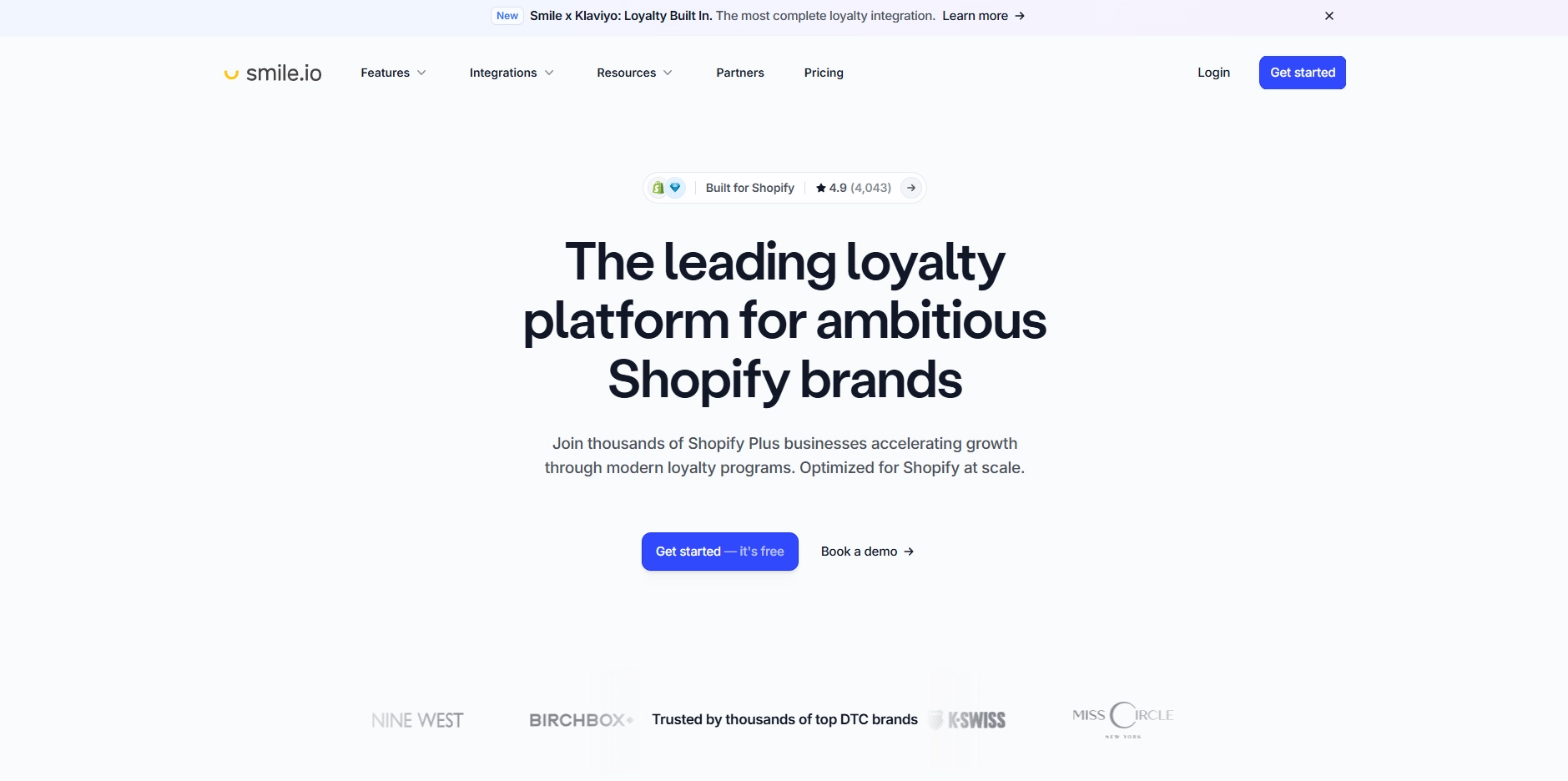
Smile.io is a simple and cost-effective loyalty platform for e-commerce businesses. It offers tiered rewards and customization options, making it perfect for brands just starting their loyalty programs.
Key Features Include:
- Easy-to-use interface: Simple setup for businesses starting loyalty programs.
- Tiered loyalty systems: Reward customers at various levels.
- Customizable rewards: Align rewards with your brand's values.
- Points-based systems: Reward repeat purchases and engagement.
Pros:
- Simple setup with a low barrier to entry
- Cost-effective for small businesses and startups
Cons:
- Limited advanced features for larger brands
- Basic analytics compared to premium platforms
Pricing:
- Paid plans starting at $49/month.
Also Read: Ugaoo’s 44X ROI with Nector: Referral & Review Program Success.
5. Klaviyo: The Ultimate Email & SMS Engagement Platform
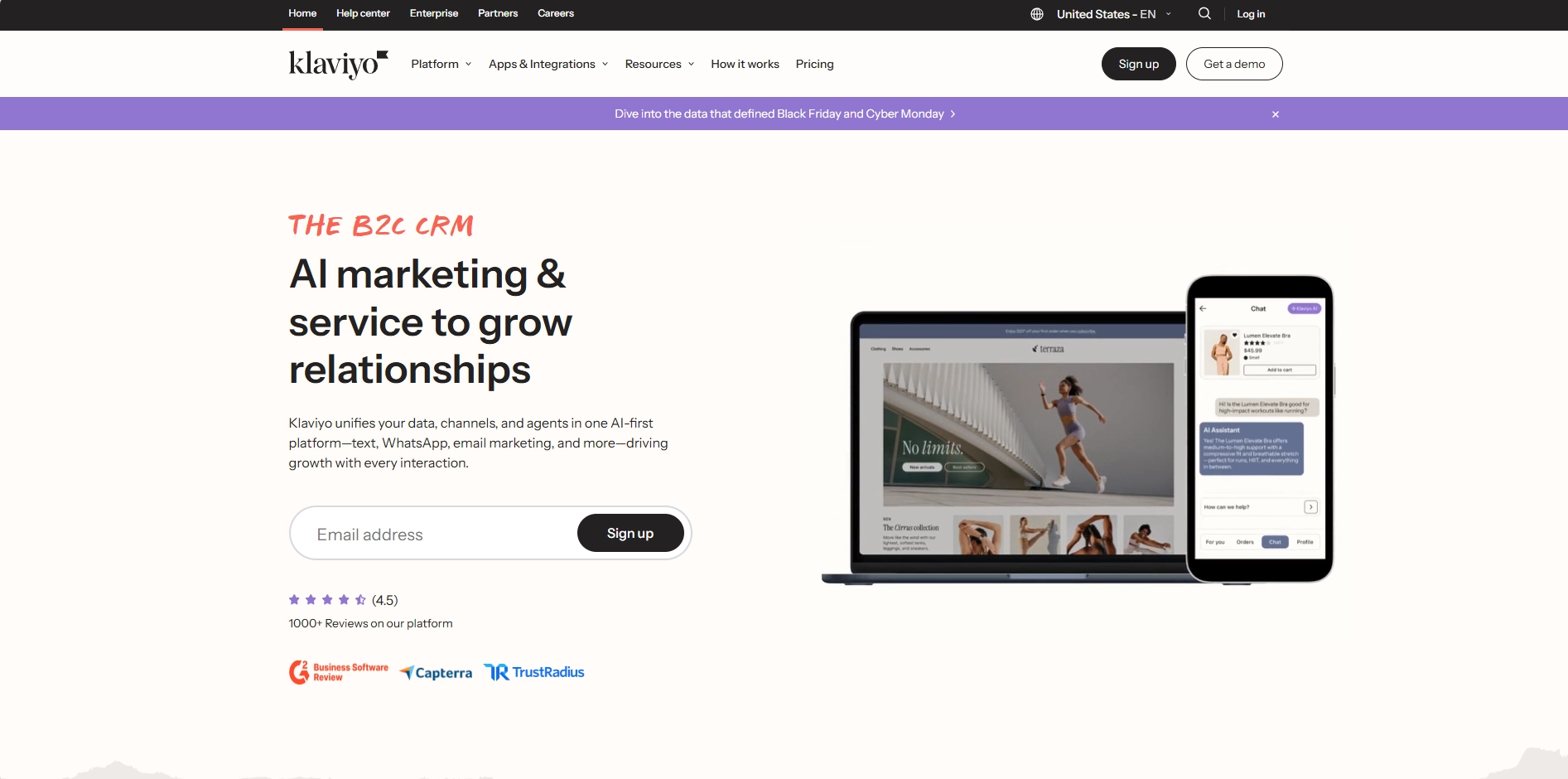
Klaviyo excels in automating personalized email and SMS campaigns. It offers powerful segmentation based on customer behavior, helping brands boost engagement and retention with targeted messaging.
Key Features Include:
- Automated email and SMS campaigns: Create automated workflows for customer engagement.
- Behavior-driven segmentation: Target based on customer actions.
- A/B testing: Optimize campaigns with split testing.
- Advanced analytics: Gain insights into campaign performance.
Pros:
- Advanced segmentation for precise targeting
- Seamless e-commerce integrations with platforms like Shopify
Cons:
- It can become complex for beginners
- Pricing increases with customer base size
Pricing:
- Free for up to 250 contacts, with paid plans starting at $45/month.
6. ActiveCampaign: Multi-Channel Engagement with Automation
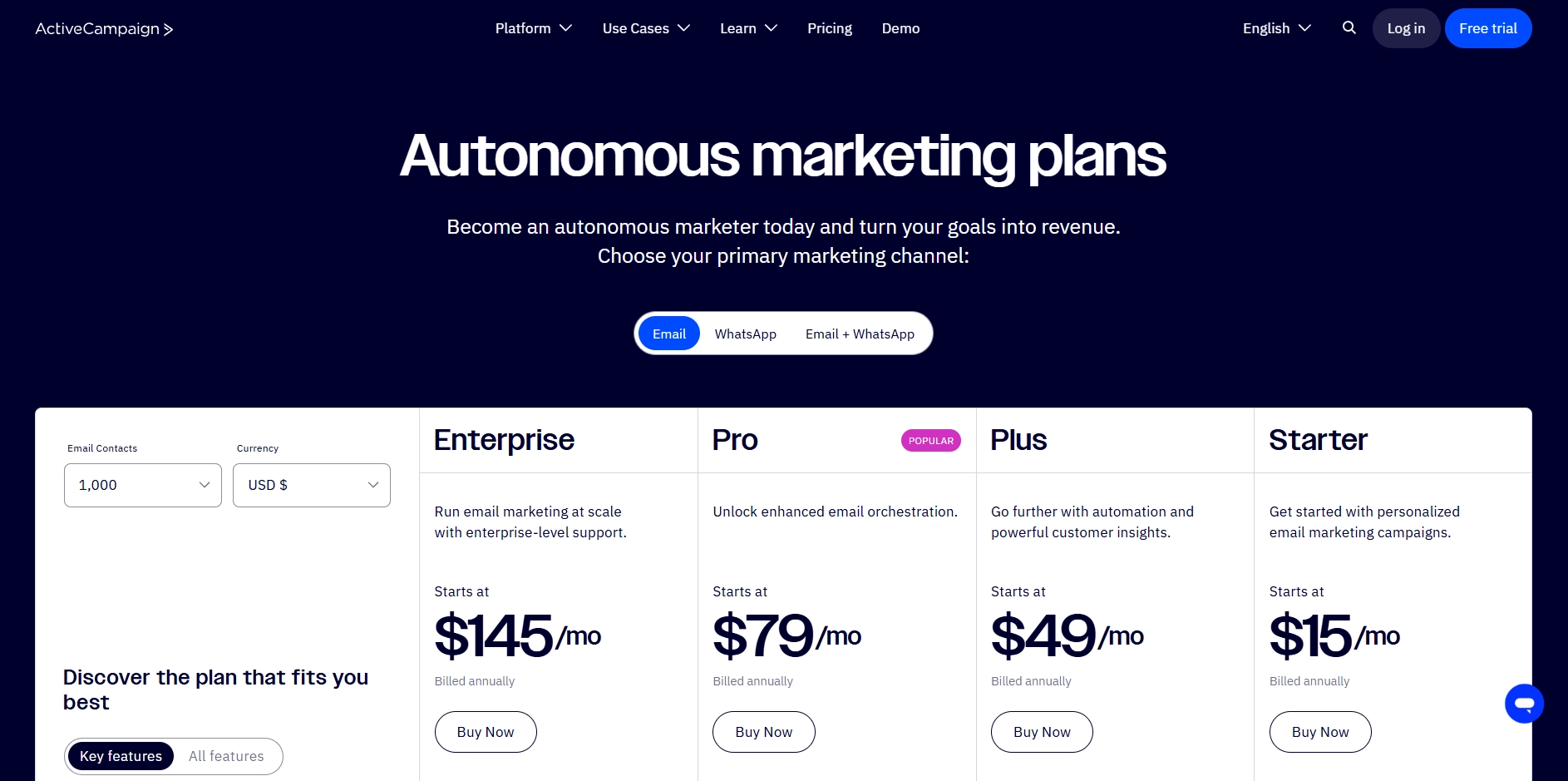
ActiveCampaign integrates email, SMS, and social media engagement into one platform. It automates customer journeys, helping brands deliver personalized messages across multiple channels for deeper connections.
Key Features Include:
- Automated email, SMS, and social media messaging: Engage customers across platforms.
- CRM tools: Manage customer relationships and track interactions.
- Personalized workflows: Automate tailored customer journeys.
- In-depth reporting and analytics: Measure campaign success.
Pros:
- Flexible omnichannel engagement with email, SMS, and social
- Powerful automation for personalized customer journeys
Cons:
- It can be overwhelming for smaller brands with limited resources
- Pricing may be high for small businesses
Pricing:
- Starts at $15/month with various plans based on features.
7. Tidio: AI-Powered Chatbot for Instant Customer Engagement
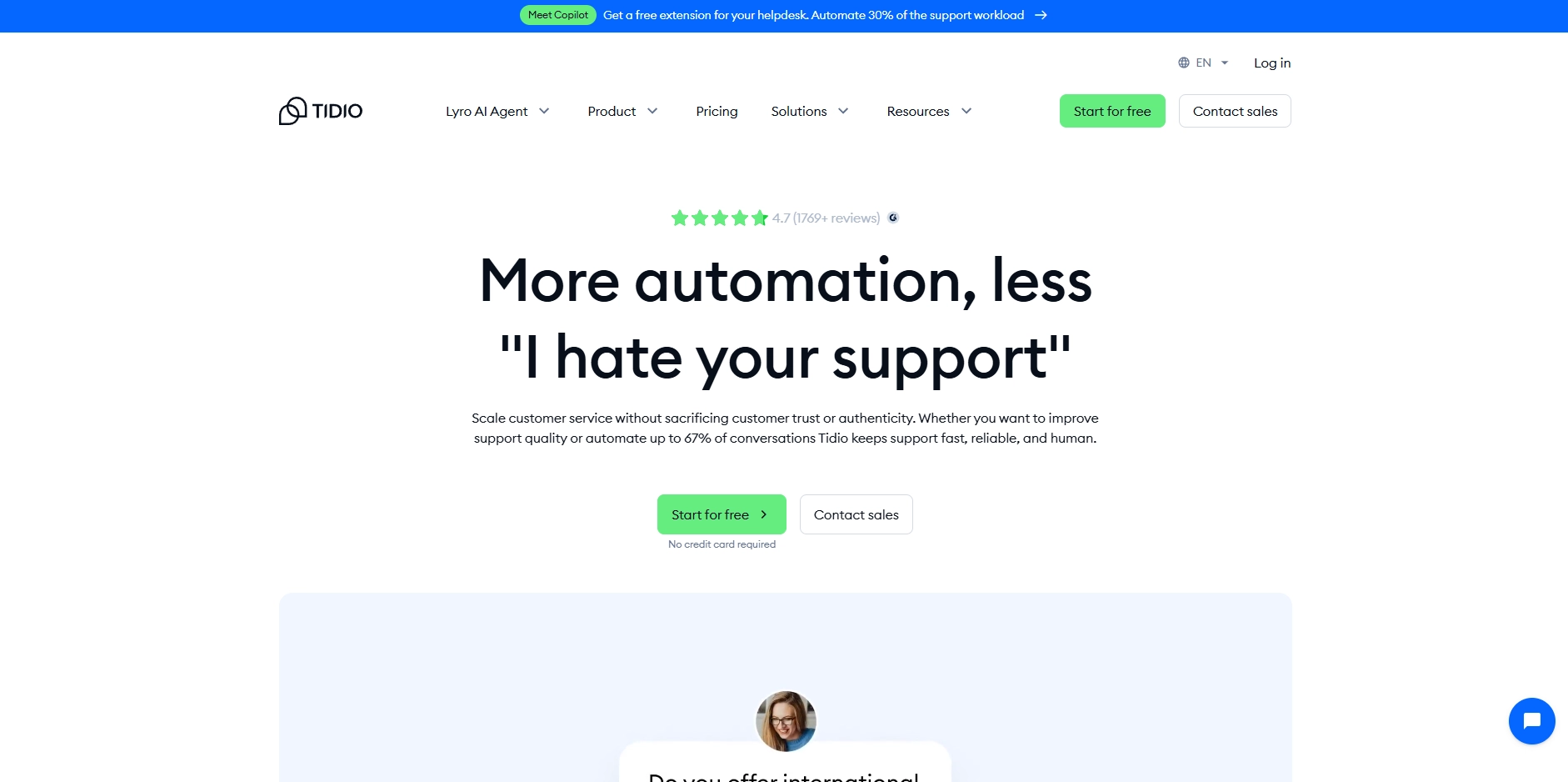
Tidio enhances customer service with AI-powered chatbots that respond instantly to customer queries. It’s perfect for businesses seeking real-time support and improved customer retention.
Key Features Include:
- Live chat: Real-time support and instant customer interaction.
- AI-driven chatbots: Automate responses to frequently asked questions.
- Real-time support: Engage customers in real-time for higher satisfaction.
Pros:
- Instant customer support with chatbots
- Easy to integrate with existing platforms
Cons:
- Limited customization options for complex queries
- Basic analytics compared to advanced platforms
Pricing:
- Paid plans start at $32.50/month.
8. PushEngage: Push Notification Tool for Customer Re-engagement
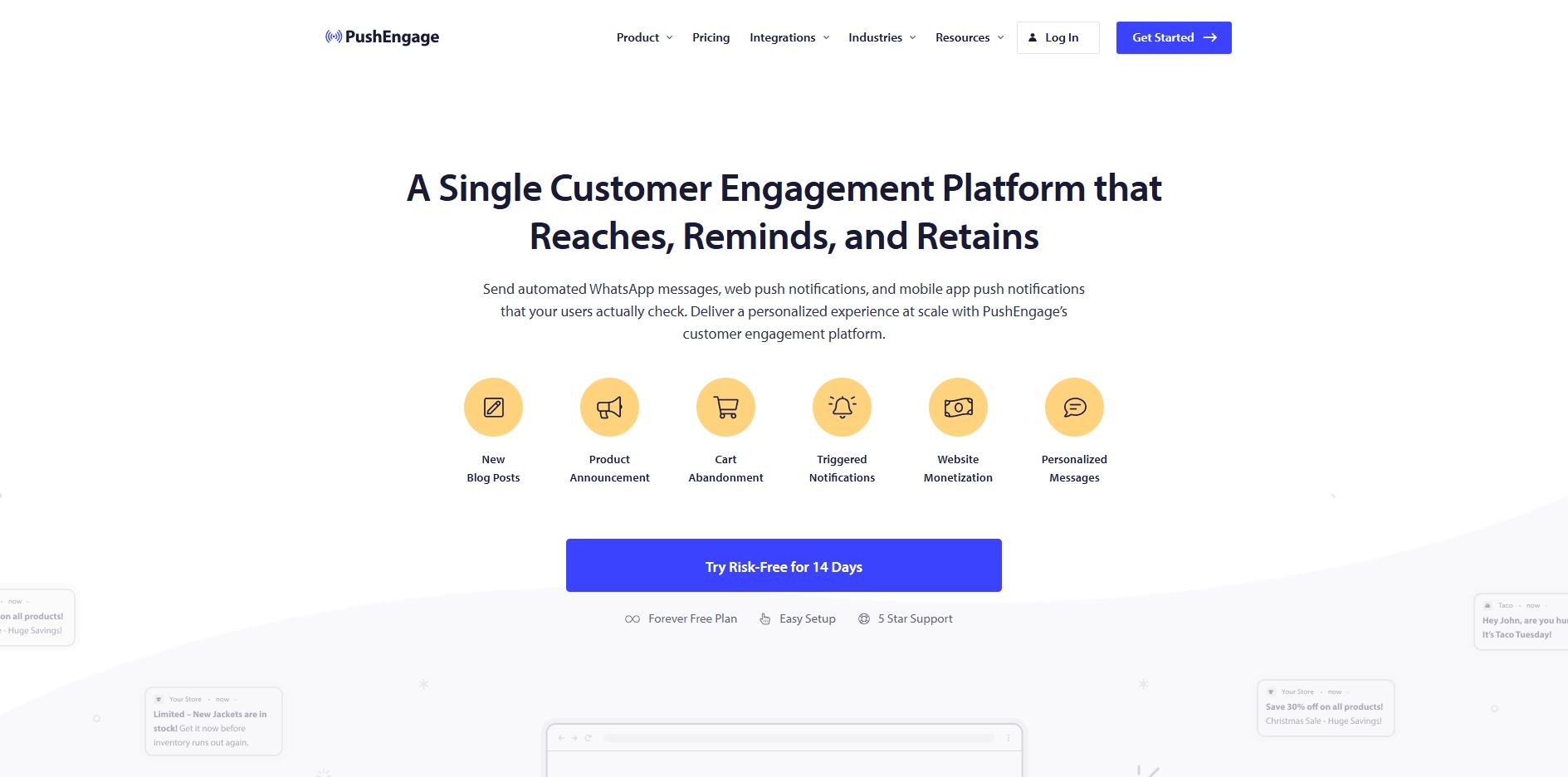
PushEngage helps brands re-engage customers through personalized web and mobile push notifications. It’s ideal for driving traffic back to websites or apps with targeted offers and reminders.
Key Features Include:
- Web and mobile push notifications: Reach customers on multiple devices.
- Behavior-triggered alerts: Send notifications based on customer behavior.
- Analytics: Track push notification performance.
- Real-time engagement: Re-engage customers with timely offers.
Pros:
- Targeted push notifications for re-engagement
- Real-time alerts to keep customers engaged
Cons:
- May not suit brands with high email engagement needs
Pricing:
- Starts at $8/month with scalable pricing for larger businesses.
9. OneSignal: Push Notification and Messaging for Omnichannel Engagement
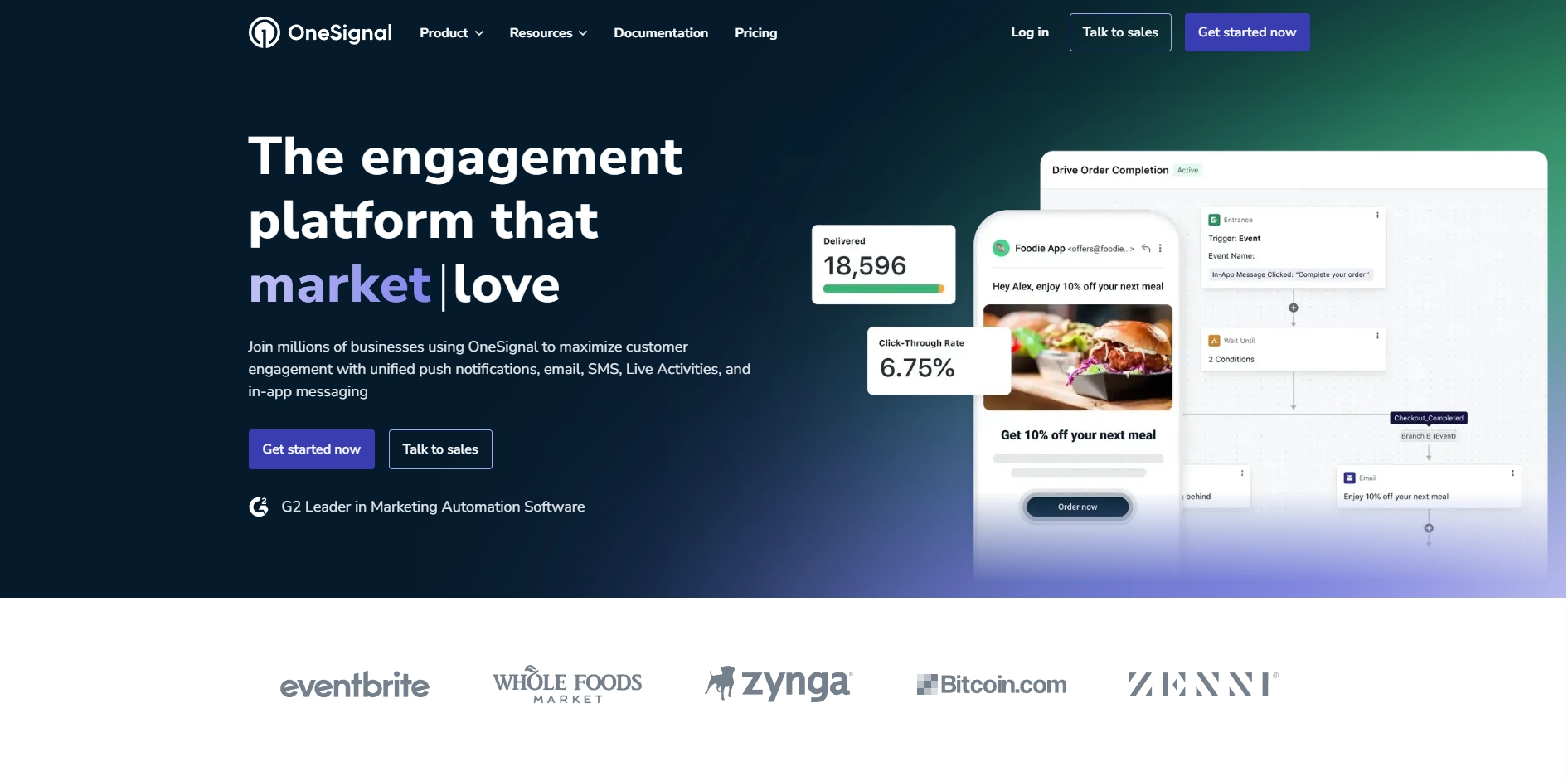
OneSignal offers an all-in-one solution for web and mobile push notifications, in-app messaging, and email. It’s designed to help brands communicate with customers across multiple channels to boost engagement.
Key Features Include:
- Push notifications, in-app messaging, and email: Reach customers on various platforms.
- Advanced segmentation: Personalize messaging based on customer data.
- Multi-channel engagement: Connect with customers across all touchpoints.
- Real-time performance tracking: Monitor engagement and optimize campaigns.
Pros:
- Omnichannel messaging for seamless engagement
- Comprehensive analytics for campaign performance
Cons:
- Complex setup for new users
Pricing:
- Premium plans start at $19/month.
The tools you choose for loyalty and engagement can make all the difference in customer retention. By using the right combination of personalization, communication, and insights, you can build stronger, lasting relationships with your customers.
How Customer Engagement Tools Complement Loyalty Programs?
Engagement tools complement loyalty programs by enabling brands to maintain ongoing relationships with customers through various communication channels. Unlike loyalty programs, which primarily reward transactions, engagement tools create active participation and deepen the emotional connection between the customer and the brand.
- Personalized Messaging: Engagement tools like Klaviyo and ActiveCampaign send behavior-driven messages based on customer actions. For example, a Klaviyo email campaign might trigger when a customer hits a certain loyalty tier, prompting them to redeem their rewards.
- Cross-Channel Communication: Engagement tools like OneSignal and PushEngage allow brands to send personalized offers via multiple channels, whether push notifications, SMS, or emails, keeping the customer engaged across all touchpoints.
By seamlessly integrating engagement tools with loyalty programs, brands can drive continuous interaction, which ultimately leads to stronger loyalty and higher retention rates.
4 Key Factors to Choose the Right Loyalty and Engagement Tools

Choosing the right tools for your loyalty and engagement strategy directly impacts how effectively you can retain and engage customers long-term. Here’s what to look for when picking the right ones:
1. Scalability
When selecting loyalty tools, ensure they are scalable. The tool should adapt to your expanding customer base and handle increased demands as your business grows.
2. Integration
Choose tools that seamlessly integrate with your existing platforms, like CRM and e-commerce systems. Smooth integration ensures efficiency and a unified approach to customer loyalty.
3. Data-Driven Insights
Look for tools that provide actionable insights into customer behavior. It must help you make data-driven decisions to optimize your loyalty strategies and improve customer engagement.
4. Personalization Options
Ensure the tool offers personalization at scale. It must allow you to customize rewards to align with different customer preferences, making each experience feel unique and valued.
The right loyalty tool should be scalable, integrate seamlessly, offer insights, and allow for personalization. These factors will ensure your program drives long-term customer retention and satisfaction. Next, let's check out some best practices to keep in mind while implementing these tools.
3 Best Practices for Implementing Loyalty and Engagement Tools
To make the most of your loyalty and engagement tools, you need to implement them strategically. Simple, valuable, and consistent approaches will ensure that your customers stay engaged and loyal:
- Keep It Simple and Clear: Avoid overwhelming your customers with complex rules. Ensure the redemption process is straightforward.
- Make Rewards Feel Valuable: Ensure that rewards are aligned with what customers truly value, whether it’s discounts or exclusive experiences.
- Ensure Consistency Across Channels: Maintain consistent messaging across all customer touchpoints, whether through email, SMS, or social media.
By following these best practices, you can create a loyalty program that builds a lasting, meaningful connection with your customers.
Also Read: How to Increase Referral Traffic: 15 Proven Strategies That Actually Work
Gap Analysis: What’s Missing in the Market?
The current market for loyalty and engagement tools is saturated, but there are still important gaps that many brands face when trying to implement effective solutions. This includes:
- Simplicity: Many tools are too complex for smaller businesses, requiring technical expertise that solo founders or small teams often lack.
- Granular Personalization: Most tools offer basic personalization, but lack deep, behavior-driven insights that can tailor rewards and engagement at a granular level.
- Multi-Channel Integration: Many platforms fail to integrate seamlessly across multiple customer touchpoints, from web to mobile, SMS to social media, creating silos and inefficiencies.
Nector provides simple, automated solutions with AI-driven personalization and seamless multi-channel integration. The tool enables both small teams and large enterprises to easily manage and scale customer loyalty and engagement.
Conclusion
Building an effective loyalty and engagement strategy requires selecting tools that align with your business goals. By integrating loyalty programs and engagement tools, you can create long-term relationships with customers, driving repeat purchases and brand loyalty.
Nector is an ideal choice for businesses of all sizes, offering an easy-to-use platform with AI-driven personalization and seamless integration with Shopify. It enables small teams to implement automated loyalty and referral programs, scaling customer retention without the complexity.
To create a personalized, impactful loyalty program, start your free trial with Nector today. Optimize your strategy now to drive growth and maximize retention!
FAQs
What are the main benefits of using loyalty and engagement tools for B2C brands?
Loyalty and engagement tools help brands build stronger customer relationships by rewarding repeat purchases, offering personalized experiences, and encouraging continuous interaction. They improve customer retention, increase lifetime value, and help brands differentiate themselves in front of their competitors.
How do loyalty programs drive customer retention?
Loyalty programs incentivize customers to return by offering rewards for repeat purchases, referrals, or social media engagement. This creates a sense of value and belonging, encouraging customers to stay loyal to the brand and increase their purchase frequency.
What role does personalization play in loyalty programs?
Personalization tailors loyalty rewards based on individual customer behavior, preferences, and engagement. It ensures customers feel valued and understood, making them more likely to participate in the program and engage with the brand, leading to higher retention rates.
Can engagement tools be integrated with existing e-commerce platforms?
Yes, most engagement tools integrate seamlessly with popular e-commerce platforms like Shopify, WooCommerce, and Magento. This integration helps brands manage customer loyalty, run campaigns, and track behavior without disrupting existing workflows.

%201.webp)

.webp)
%201.webp)
Start Building Customer Retention That Lasts