





.avif)
.avif)
How to Retain Fashion DTC Customers in the First 90 Days
Fashion DTC brands lose most first-time buyers within 90 days of their first order because there is no structured reason to return. The highest-leverage moves in this window are enrolling buyers into a loyalty program on day one, capturing a review within 10 days, and triggering a referral ask at peak satisfaction around day 30–45. This checklist breaks that 90-day window into six stages, with the exact moves, metrics, and tools for each.
For fashion DTC brands, the first sale is the easy part. Paid ads, creator drops, and launch discounts can all pull a first-time buyer to checkout. The harder and far more profitable question is what happens next.
In apparel, the average gap between a first and second purchase is close to three months. That means the 90 days after that first order quietly decide whether you have won a customer or just rented one. A 5% lift in customer retention can raise profits by 25% to 95%, according to research published in Harvard Business Review, because a returning buyer costs a fraction of a new acquisition and spends more with every order.
Yet most fashion brands pour their budget into the acquisition moment and leave the post-purchase window to chance. The result: a leaky bucket of expensive first orders that never become second ones.
This 90-day fashion DTC retention checklist fixes that. Six clear stages. One objective per stage. The specific moves that hit it. And the metric that tells you it worked.
90-Day Fashion DTC Retention Checklist
Sources: Mailchimp, BrightLocal, Bluecore, Journal of Marketing, Ayna internal data.
Stage 1 (Day 0–3): What Should You Do Immediately After a Fashion DTC Order? (H2)
The relationship is never warmer than the minutes after checkout, and in fashion, that goodwill cools fast once the order feels done.
This window is not about selling anything else. It is about removing post-purchase doubt and quietly establishing that this is a brand the customer belongs to, not a shop they visited once. Get the confirmation, the shipping clarity, and the first loyalty signal right, and they reach delivery already primed to return.
Objective: Confirm clearly. Plant the loyalty hook immediately
- Send a confirmation email with exactly what ships, when it arrives, and how returns work, zero post-purchase anxiety.
- Introduce your loyalty program inside the confirmation with a concrete, specific message: 'You just earned 120 points on this order.'
- Set one forward expectation, early access to the next drop, exclusive member pricing, so leaving checkout feels like joining something, not just completing a transaction.
Metric to watch: Confirmation email click-through rate. Industry benchmark: ~1.7% for ecommerce (Mailchimp). If you are not clearing this, your confirmation copy is not creating a reason to engage.
Nector's Shopify-native loyalty dashboard lets you fire this loyalty introduction automatically inside your post-purchase flow, so every first-time buyer is enrolled and informed without a manual step.
Stage 2 (Day 4–10): How Do You Turn an Unboxing Into Social Proof That Converts?
By now, the parcel has arrived. The customer has tried the piece on. They have formed a first opinion, the most valuable and most perishable asset you own as a fashion brand.
Fashion is bought on fit and feel. This is the moment a great product earns proof, and a weak one earns a return request. Your job is to capture the verdict while it is still fresh and route it into ammunition that converts the next shopper.
Objective: Request a review. Prioritise photo and video over text
- Trigger the review request three to five days after confirmed delivery, never before the customer has worn the piece.
- Reward photo and video reviews more generously than text-only. Shoppers who engage with visual reviews convert 144% more often, per Bazaarvoice's Shopper Experience Index.
- Route unhappy responses to your support team privately and immediately, before they harden into public one-star reviews.
Metric to watch: Review submission rate when prompted. Industry benchmark: ~83% of customers will leave a review when asked at the right moment (BrightLocal). If you are under this, review your ask timing and incentive.
Nector's Shopify-native dashboard handles automated review collection and displays photo and video reviews as shopper-facing social proof, so you capture the verdict without bolting on a separate reviews app. It automates review collection natively on Shopify, displays photo and video reviews as shopper-facing social proof, and sits in the same dashboard as your loyalty and referrals, so you don't have to manage a separate reviews tool alongside everything else.
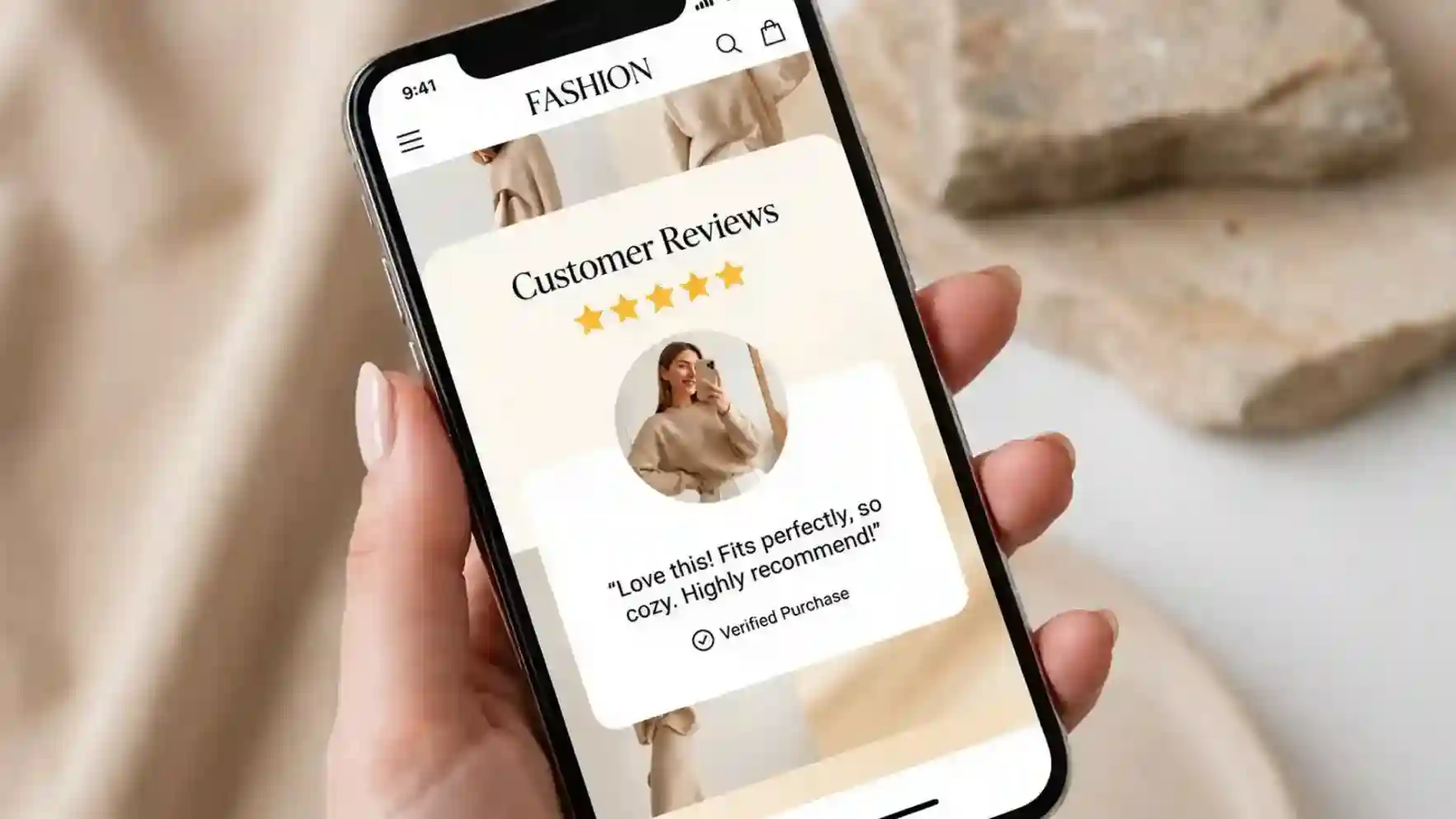
Running loyalty, reviews, and referrals across three separate tools? See how Nector brings all of it into one Shopify dashboard
Stage 3 (Day 11–30): Is a Loyalty Program Worth It for a Fashion DTC Brand?
Yes, but only if the value is visible. Points sitting in a forgotten account are worthless. A live balance with a concrete next reward is a reason to return.
This is the make-or-break stretch. First-purchase excitement has cooled. Without a concrete reason to come back, the customer moves on to the next brand in their feed. The goal here is to convert a one-time buyer into a loyalty member by making the value of returning specific rather than vague.
Objective: Convert the buyer into a member. Make the reward feel real and close
- Surface a live points balance with a clear milestone: 'You are 200 points from your next reward.'
- Put your best early buyers on a VIP or tiered track. Fashion is a category built on status and self-expression, and tiered loyalty maps directly onto that psychology.
- Run points, VIP tiers, and automated retention flows from a single platform instead of stitched-together tools.
Metric to watch: Loyalty enrollment rate among first-time buyers.
Nector's Shopify-native dashboard brings reviews, referrals, and loyalty into one place under the 4Rs framework- Rewards, Referrals, Reviews, Retention. Brands are not stitching together three tools; they are running the entire post-purchase engine from one place. Explore Nector's loyalty features
Stage 4 (Day 31–45): When Is the Right Time to Ask a Fashion Customer for a Referral?
The right time is now — a few weeks after delivery, with the product validated and the novelty still alive. A happy customer is never more willing to recommend you than at this exact moment.
Referral is the cheapest and highest-trust acquisition channel a fashion brand has, but only if you ask at the peak of goodwill and make sharing effortless. Wait too long and both the enthusiasm and the opportunity are gone.
Objective: Two-sided referral ask. Real reward for both sides
- Make the offer genuinely two-sided: a meaningful reward for the advocate, and a real reason for the friend to try you, not a token discount that feels like an afterthought.
- Trigger the ask off a positive signal, a five-star review, a repeat site visit, a loyalty milestone, rather than a random calendar date.
- Give customers a one-tap share to the channels they actually use, with a creative that looks native to their feed.
Metric to watch: Referral participation rate and share of new orders that are referred. Referred customers have 16% higher lifetime value than non-referred buyers (Journal of Marketing). That gap compounds over time.
Nector's referral module makes two-sided referral programs simple to launch on Shopify, with automated triggers, reward fulfilment, and reporting built in. See how Nector referrals work
Stage 5 (Day 46–60): How Does Refreshing Catalog Visuals Drive Repeat Purchases?
Here is the lever most retention plans miss. A customer who returns to the same catalog they browsed six weeks ago has no reason to act, because in fashion, novelty is the product.
The objective at this stage is to make every return visit, win-back email, and retargeting ad feel new, even when the underlying styles have not fully turned over. The usual blocker is the cost and lead time of photography, which is exactly where AI changes the equation.
Objective: Refresh visuals. Make every return visit feel worth clicking (H3)
- Refresh hero and product-page imagery with new on-model shots, fresh styling, and seasonal backdrops on a rolling basis.
- Keep win-back emails and 'new in' pushes visually current. In fashion, the creative is the message; a stale image tells the customer nothing has changed.
- Ayna's AI photoshoot studio turns existing product shots into on-model images across new models, poses, and seasonal contexts in hours, so you can restyle the catalog affordably without booking a studio every month.
Metric to watch: Return-visit rate and win-back email click-through rate. Brands refreshing catalog imagery on a monthly or bi-monthly cadence see 15–20% lift in return visits (Ayna internal data).

Recommendations shown on fresh, on-model Ayna imagery consistently outperform static flat-lay shots in win-back campaigns. See how Ayna keeps fashion catalogs fresh
Stage 6 (Day 61–90): How Do You Trigger a Second Purchase Without Discounting?
If there is still no second order by day sixty, do not wait for the customer to drift back on their own. This is where all the groundwork loyalty points earned, reviews given, referrals sent convert into a specific, personalised nudge with a reason to act now rather than someday.
The aim is not to discount your way to a second order. Blanket markdowns train customers to wait for sales. You have better tools already set up.
Objective: Personalised trigger. Urgency without a blanket discount
- Recommend products based on what the customer actually bought, complementary pieces that make sense, not your generic bestsellers.
- Add honest urgency: points about to expire, a low-stock size alert, or early access that is closing. These motivate without cheapening the brand.
- Lean on the loyalty and engagement infrastructure you already built rather than reaching for a markdown.
Metric to watch: Second-purchase rate within 90 days. Industry benchmark for apparel: ~20% of first-time buyers make a second purchase within the year (Bluecore). Brands with structured retention programs see this climb significantly higher.
Why Nector Is the Best Retention Platform for Fashion DTC Brands?
Most fashion brands trying to run loyalty, referrals, and reviews end up managing three separate tools with three separate dashboards, three separate billing lines, and no single view of how a customer is moving through their post-purchase journey. The stitching cost alone in integration time, data sync issues, and ops overhead- often exceeds the value of the individual tools.
Nector solves this with a single Shopify-native platform built around the 4Rs: Rewards, Referrals, Reviews, and Retention. Every stage of this 90-day checklist, from the day-one loyalty introduction to the day-90 second-purchase trigger, runs from one dashboard.
Here is what that means practically:
- Set up in under 30 minutes. No custom development, no technical dependency on your dev team.
- Free to install. Paid plans from $49/month, order-based and transparent, not a black-box enterprise quote.
- Loyalty, referrals, and reviews in one place. A returning customer's full engagement history, points earned, reviews submitted, and referrals sent, is visible in one place.
- True omnichannel capability. If your fashion brand sells online and in physical retail, Nector syncs loyalty across Shopify POS and ecommerce from a single dashboard.
- Trusted by 1,000+ eCommerce brands, including D2C fashion labels across India and globally.
Best for: Fashion and apparel DTC brands on Shopify that want to run their full post-purchase retention engine, loyalty, referrals, and reviews, without stitching together multiple tools.
Stop losing first-time buyers to inaction. Install Nector free on Shopify and start your 90-day retention loop today.
Day 90 and Beyond: How Do You Measure and Improve Your Retention Loop?
Ninety days give you enough signal to stop guessing. At this point, run through the stage scorecard at the top of this post with your actual numbers. Find the single weakest stage, the one where the biggest drop-off happens, and fix that one thing before you move to the next.
The brands that compound retention treat this as a quarterly operating rhythm, not a launch-day hope. Run the loop, measure the cohort, identify the bottleneck, improve it, and repeat with the next intake of first-time buyers.
- If the Day 0–3 click rate is low, rewrite your confirmation email. The loyalty introduction needs to be specific and concrete, not buried.
- If the Day 4–10 review rate is low, check your trigger timing. Asking too early (before delivery) or too late (two weeks after) kills submission rates.
- If Day 61–90 second-purchase rate is low, your personalisation and urgency signals are not firing correctly. Check segment logic and point expiry timings.
None of this is complicated. What separates the fashion brands that build a loyal base from those stuck on the acquisition treadmill is sequence and discipline, each stage setting up the next.
Conclusion
Each stage sets up the next. A clean post-purchase experience earns the review. The review earns trust. Trust earns the referral. Loyalty earns the return. Fresh visuals make every return worth clicking. Put the 90 days on a calendar, assign an owner to each stage, measure the result cohort by cohort, and the first order stops being a one-time transaction and becomes the beginning of a relationship.
Frequently asked questions
Why do fashion DTC brands specifically focus on the first 90 days for retention?
The first 90 days are the highest-leverage retention window because that is when the repeat purchase habit either forms or does not. In apparel, the typical gap between a first and second purchase is around three months, meaning if a customer has not returned by day 90, the probability of them ever returning drops sharply. Structured retention activity in this window has an outsized impact on lifetime value compared to any other period in the customer lifecycle.
What is the single most impactful retention move after a first fashion order?
Introducing your loyalty program at the moment of purchase, not weeks later, is the highest-impact single action. It reframes the transaction as the start of an ongoing relationship and gives the customer a specific, concrete reason to return. Brands using Nector to fire loyalty enrollment inside the post-purchase flow see higher Day 11–30 engagement rates meaningfully compared to those who introduce loyalty later via a standalone email.
How do product reviews help with customer retention, not just acquisition?
Asking a first-time buyer to submit a photo or video review deepens their own engagement with the brand. It is a commitment act that increases attachment. At the same time, that review becomes social proof that converts the next shopper. It is one of the few post-purchase actions that improves both retention and acquisition simultaneously. Nector’s reviews module handles the ask, the reward, and the display in one place.
How can fashion brands keep their catalog visually fresh without booking constant photoshoots?
Ayna lets brands generate AI fashion model photoshoots on demand, restyling existing products on new models, poses, and seasonal backdrops without booking a studio. That makes a bi-monthly catalog refresh achievable for any fashion brand, regardless of team size or photography budget, so return visits and win-back emails always feel new rather than static.
How do you trigger a second purchase without offering a blanket discount?
Use the loyalty infrastructure you have already built: expiring points create natural urgency without a price cut, personalised product recommendations based on purchase history convert better than generic bestsellers, and low-stock alerts on sizes the customer viewed are credible urgency signals. Discount-led second purchases train customers to wait for markdowns — points-led and personalisation-led nudges build genuine repeat behaviour instead.
.webp)